


SKU:SOL-TRC-SALICYLIC-300G
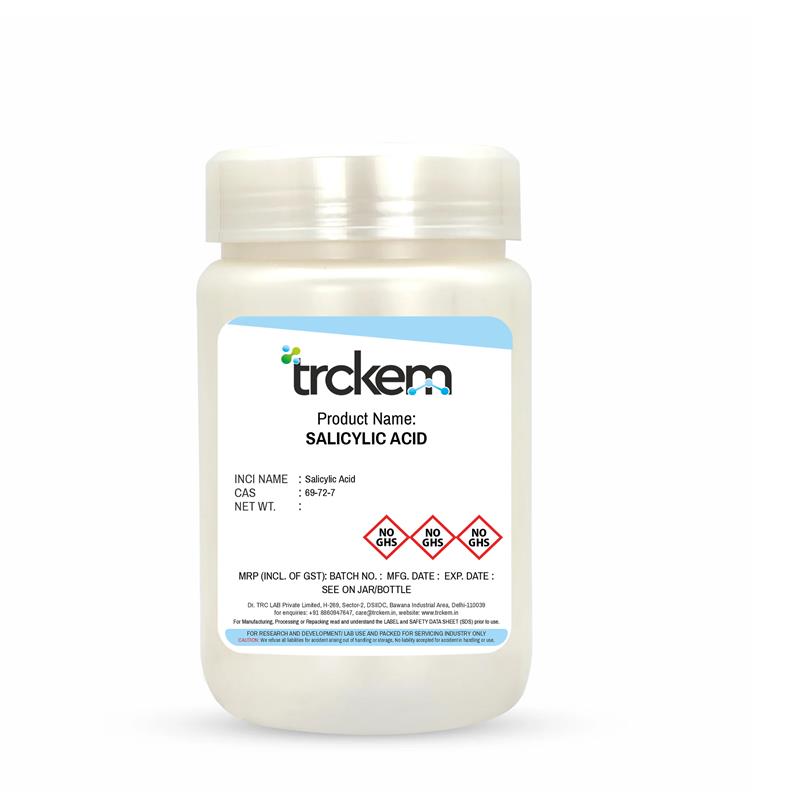
SALICYLIC ACID
For Bulk Quantity: Contact Us
Couldn't load pickup availability
Salicylic acid is a beta-hydroxy acid (BHA) known for its exfoliating and acne-fighting properties. It helps unclog pores, reduce inflammation, and promote skin renewal, making it popular in skincare products.
- Wishlist
- No Return Applicable
- Free Shipping

General Description:
Salicylic acid is a beta-hydroxy acid (BHA) derived from willow bark, but synthetically produced for commercial purposes. It is a colorless, crystalline organic acid with the chemical formula C7H6O3. Salicylic acid is known for its ability to penetrate and exfoliate the skin and is widely used in skincare and cosmetic formulations.
Uses in the Cosmetic Industry:
Salicylic acid serves several purposes in cosmetics:
- Exfoliation: It penetrates into the pores of the skin and exfoliates the dead skin cells, making it effective in treating acne and improving skin texture.
- Acne Treatment: Salicylic acid is effective in treating acne by unclogging pores, reducing inflammation, and preventing future breakouts.
- Keratolytic Agent: It helps to soften and shed the outer layer of the skin, promoting the shedding of dead skin cells and reducing the formation of comedones (blackheads and whiteheads).
- Anti-inflammatory Properties: Salicylic acid has anti-inflammatory properties that help calm and soothe irritated skin.
- Regulation of Sebum Production: It can help regulate sebum production, making it beneficial for oily or acne-prone skin types.
- Anti-aging: Salicylic acid can improve the appearance of fine lines and wrinkles by promoting cell turnover and collagen production.
Hazard:
While generally safe when used as directed, salicylic acid can pose risks if not used properly:
- Skin Irritation: Overuse or high concentrations of salicylic acid can cause dryness, redness, and irritation, especially in individuals with sensitive skin. It is recommended to start with lower concentrations and gradually increase as tolerated.
- Allergic Reactions: Some individuals may be allergic to salicylic acid, leading to itching, swelling, or hives. Discontinue use if any allergic reactions occur.
- Sensitivity to Sunlight: Salicylic acid can increase skin sensitivity to sunlight, leading to sunburns. It is essential to use sunscreen and avoid prolonged sun exposure when using products containing salicylic acid.
- Pregnancy and Nursing: High doses of salicylic acid should be avoided during pregnancy and breastfeeding due to concerns about absorption through the skin.
- Interaction with Other Products: Salicylic acid may interact with other skincare products, such as retinoids or alpha hydroxy acids (AHAs), leading to increased skin irritation. It is advisable to consult a dermatologist when combining products.
- Eye Irritation: Avoid contact with eyes and mucous membranes when using products containing salicylic acid.
CAS Number : 69-72-7
INCI: Salicylic Acid
Composition: Salicylic acid is a monohydroxybenzoic acid, with the chemical formula C7H6O3. It consists of a phenolic ring with a carboxylic acid group (-COOH) and a hydroxyl group (-OH) attached to it.
Purity Grade: No purity grade applicable
Appearance: Salicylic acid typically appears as a white, crystalline powder.
Solubility: Salicylic acid is sparingly soluble in water but soluble in alcohol, ether, and other organic solvents. Its solubility increases with temperature.
Preservation : Salicylic acid should be stored in a cool, dry place away from direct sunlight and moisture to prevent degradation. It should be kept tightly sealed in its original container.
Storage: Store in a closed container at a dry place at room temperature
Raw Material Source : Salicylic acid can be sourced from natural materials such as the bark of the willow tree (Salix species) or synthesized from phenol through chemical processes.
Manufacture: Salicylic acid is primarily manufactured through the chemical synthesis of phenol, which undergoes a series of reactions including carboxylation, hydrolysis, and decarboxylation to yield salicylic acid.
Animal Testing: Not animal tested
GMO: GMO-free (does not contain plant-derived components)
Vegan: Does not contain animal-derived components
Proposition: SALICYLIC ACID complies with relevant regulations and guidelines
Warning : Avoid contact with eyes. In case of contact, rinse thoroughly with water. Use appropriate protective equipment when handling. Keep out of reach of children.
FAQ(Frequently Asked Questions)
1. What is Salicylic Acid?
Salicylic Acid is a beta-hydroxy acid (BHA) commonly used in personal care and cosmetic products for its exfoliating, acne-fighting, and anti-inflammatory properties. It helps remove dead skin cells, unclog pores, and improve skin texture.
2. What is the CAS Number and INCI Name of Salicylic Acid?
CAS Number: 69-72-7
INCI Name: Salicylic Acid
3. What are the benefits of Salicylic Acid in personal care products?
Salicylic Acid offers several key benefits, including:
Deep Exfoliation: Removes dead skin cells and unclogs pores.
Acne Treatment: Helps reduce breakouts and blackheads.
Oil Control: Regulates sebum production, making it ideal for oily skin.
Anti-Inflammatory Properties: Soothes redness and irritation.
Improves Skin Texture: Enhances smoothness and clarity.
4. In which personal care products is Salicylic Acid commonly used?
Salicylic Acid is widely found in:
Facial cleansers and toners (to prevent acne and breakouts)
Exfoliating scrubs and peels (to remove dead skin and improve texture)
Acne spot treatments (for targeted blemish control)
Shampoos and scalp treatments (for dandruff and scalp exfoliation)
Body washes and lotions (for treating body acne and rough skin)
5. Is Salicylic Acid safe for all skin types?
Salicylic Acid is generally safe for most skin types but can cause dryness or irritation in sensitive skin. It is recommended to start with lower concentrations and use a moisturizer alongside it.
6. Can Salicylic Acid be used in natural or organic formulations?
Salicylic Acid is a naturally occurring compound derived from willow bark, but the version used in most formulations is synthetically produced. Some brands use naturally derived forms in organic skincare products.
7. Does Salicylic Acid cause skin irritation?
In some cases, Salicylic Acid can cause mild irritation, redness, or dryness, especially if used in high concentrations or with other strong actives. Patch testing is recommended before regular use.
8. How does Salicylic Acid help with acne?
Salicylic Acid penetrates deep into the pores, breaking down excess oil and dead skin cells, which helps prevent and treat acne breakouts.
9. Is Salicylic Acid biodegradable?
Yes, Salicylic Acid is biodegradable and breaks down naturally in the environment.
10. How should Salicylic Acid be stored?
Salicylic Acid should be stored in a cool, dry place, away from direct sunlight and moisture, in a tightly sealed container to maintain its stability and effectiveness.