


SKU:LIQ-TRC-ORANGE-100ML-1
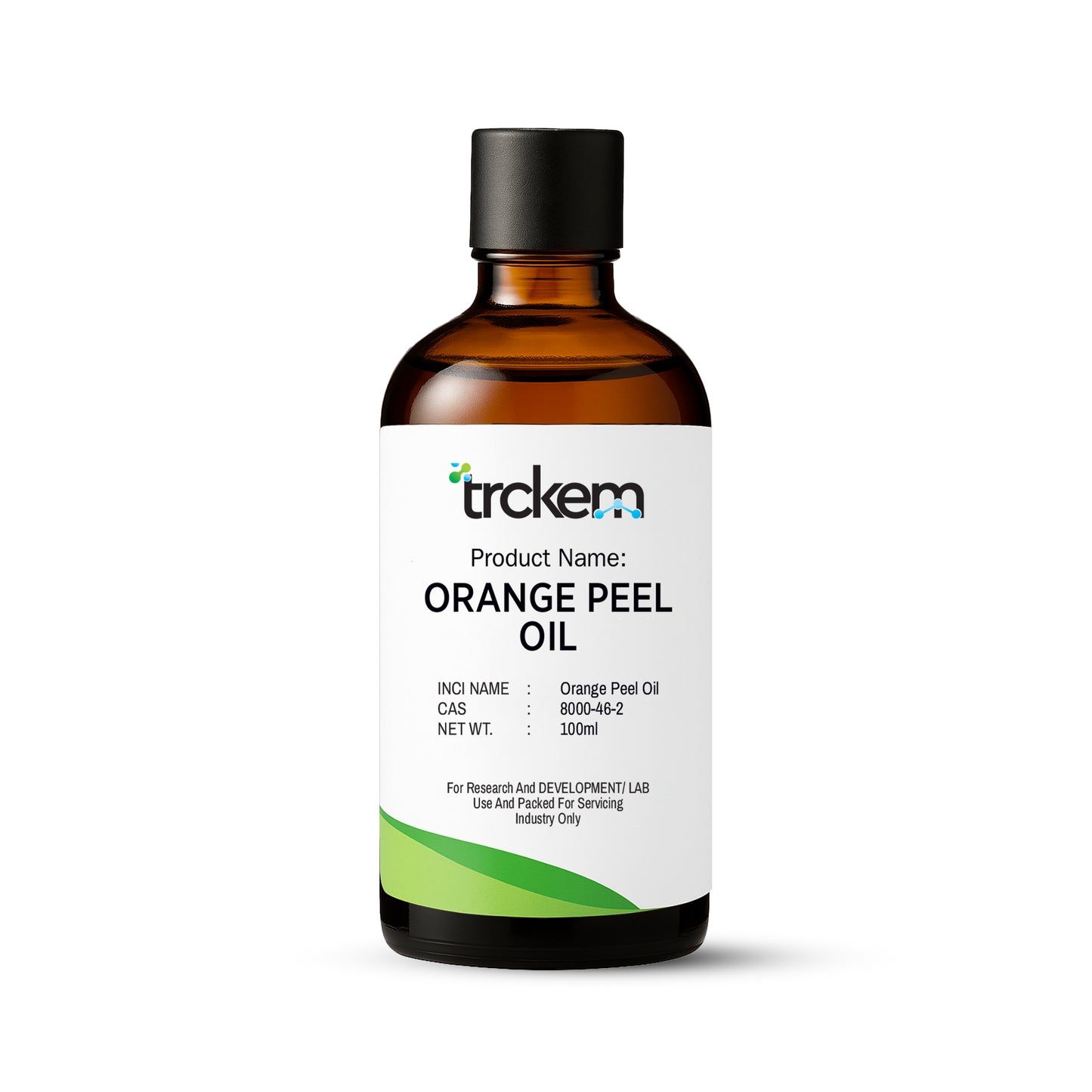
Orange peel oil
For Bulk Quantity:📞 8822636416
Couldn't load pickup availability
Orange Peel Oil is a natural essential oil extracted from the peel of sweet oranges. Rich in limonene, it offers a refreshing citrus aroma with uplifting and cleansing properties. Widely used in skincare, haircare, and aromatherapy, it provides antioxidant benefits, supports skin radiance, and imparts a fresh, revitalizing fragrance.
Product Document: Download Now 👇

General Description
Orange Peel Oil, also known as Sweet Orange Essential Oil, is a natural volatile oil extracted by cold-pressing the peels of Citrus sinensis. It is characterized by its fresh, sweet, citrus aroma and is widely valued in cosmetics for its fragrance, antioxidant content, and skin-conditioning benefits. Rich in limonene and other bioactive compounds, Orange Peel Oil is often used to impart a refreshing scent while also contributing to cleansing and revitalizing effects in personal care formulations. Its natural origin makes it especially popular in eco-friendly and “clean beauty” products.
Uses in the Cosmetics Industry
Orange Peel Oil is incorporated into a variety of cosmetic and personal care applications:
- Fragrance & Aromatherapy: Provides a natural citrus scent in perfumes, body sprays, and aromatherapy blends.
- Skin Care Products: Used in creams, lotions, and serums for its antioxidant and brightening properties.
- Cleansers & Soaps: Acts as a natural degreasing agent and adds a refreshing fragrance to facial washes, body washes, and hand soaps.
- Hair Care: Included in shampoos and conditioners for its fragrance and scalp-refreshing effects.
- Massage Oils & Body Treatments: Blended into massage formulations for its soothing and uplifting properties.
- Natural & Organic Cosmetics: Favored in “green” formulations as a plant-derived active and fragrance component.
Hazards
While generally recognized as safe when used appropriately, Orange Peel Oil has some safety considerations:
- Skin Irritation: May cause irritation or sensitization, particularly at high concentrations or on sensitive skin. Always dilute before use.
- Phototoxicity: Can increase skin sensitivity to sunlight, leading to redness or irritation if applied to skin before UV exposure.
- Eye Irritation: Direct contact with eyes may cause burning or irritation.
- Oxidation Risk: Prolonged exposure to air can cause the oil to oxidize, increasing the likelihood of skin sensitization.
Formulators typically use Orange Peel Oil at low concentrations (often below 2%) and combine it with stabilizers or antioxidants to reduce oxidation risk.
Storage & Stability
- Storage: Store in a cool, dark place in tightly sealed containers to prevent oxidation and maintain freshness.
- Stability: Sensitive to light, heat, and oxygen; antioxidants like Vitamin E may be added to enhance shelf life.
CAS Number: 8008-57-9
INCI: Citrus Aurantium Dulcis (Orange) Peel Oil
Composition:Orange Peel Oil is a natural essential oil primarily composed of limonene (up to 90–95%), with minor components such as myrcene, linalool, and aldehydes. It is valued for its fragrance, solvent properties, and antimicrobial activity.
Purity Grade: Cosmetic and Pharmaceutical Grade
Appearance: Clear to pale orange-yellow liquid with a strong, characteristic fresh citrus odor
Solubility:
- Insoluble in water
- Soluble in alcohol, fixed oils, and organic solvents
Preservation:Naturally resistant to microbial growth due to its high limonene content, but prone to oxidation. Antioxidants (e.g., tocopherol) are often added to enhance stability.
Storage:Store in a cool, dry, well-ventilated place in tightly closed containers. Protect from light, heat, and air exposure to prevent oxidation and loss of aroma.
Raw Material Sources:Derived from the peel of sweet oranges (Citrus sinensis), typically as a byproduct of the juice industry.
Manufacture:Produced through cold pressing of orange peels, followed by centrifugation and filtration. Steam distillation may also be used but is less common for high-quality cosmetic-grade oil.
Animal Testing: Not animal tested
GMO: GMO-free (derived from natural citrus fruit)
Vegan: Does not contain animal-derived ingredients
Proposition:Orange Peel Oil complies with international cosmetic and fragrance regulations (IFRA, EU Cosmetics Regulation, FDA guidelines).
Warning:
- Highly flammable; handle with care.
- May cause skin sensitization or irritation in high concentrations.
- Avoid direct contact with eyes and mucous membranes.
- Use with proper dilution in formulations.
Formulator’s Queries, We Answered
1. What is Orange Peel Oil?
Orange Peel Oil is a natural essential oil extracted from the peel of sweet oranges (Citrus sinensis). It is valued in the personal care industry for its refreshing fragrance, antioxidant properties, and skin-conditioning benefits. It is commonly used in skincare, haircare, and aromatherapy-based cosmetic formulations.
2. What is the CAS Number and INCI Name of Orange Peel Oil?
CAS Number: 8008-57-9
INCI Name: Citrus Aurantium Dulcis (Orange) Peel Oil
3. What are the benefits of using Orange Peel Oil in personal care products?
Natural Fragrance: Provides a fresh, citrus aroma to formulations.
Antioxidant Protection: Rich in limonene, which helps fight free radicals.
Skin Conditioning: Supports a brighter, smoother, and more refreshed appearance.
Cleansing Power: Naturally helps in removing excess oil and impurities.
Mood Uplifting: Its aroma is known to promote relaxation and positivity.
4. What are the common applications of Orange Peel Oil in personal care?
Cleansers & Face Washes – For natural freshness and gentle cleansing.
Creams & Lotions – Adds skin-softening and toning benefits.
Hair Care – Improves shine and freshness in shampoos and conditioners.
Body Oils & Massage Products – Provides soothing and aromatic relaxation.
Perfumes & Deodorants – Used as a natural fragrance component.
5. Is Orange Peel Oil safe for use in personal care products?
Yes, Orange Peel Oil is generally safe when used at appropriate cosmetic concentrations. However, due to its natural citrus compounds, formulations should be designed to minimize phototoxicity risks in products intended for sun-exposed skin.
6. Can Orange Peel Oil cause skin irritation?
In rare cases, Orange Peel Oil may cause irritation or sensitization in individuals with sensitive skin. A patch test is recommended, and its concentration should comply with IFRA (International Fragrance Association) guidelines.
7. Is Orange Peel Oil environmentally friendly?
Yes, Orange Peel Oil is a biodegradable, plant-derived, and renewable ingredient, making it a sustainable choice for eco-conscious personal care brands.