


SKU:SOL-TRC-NIA-300G
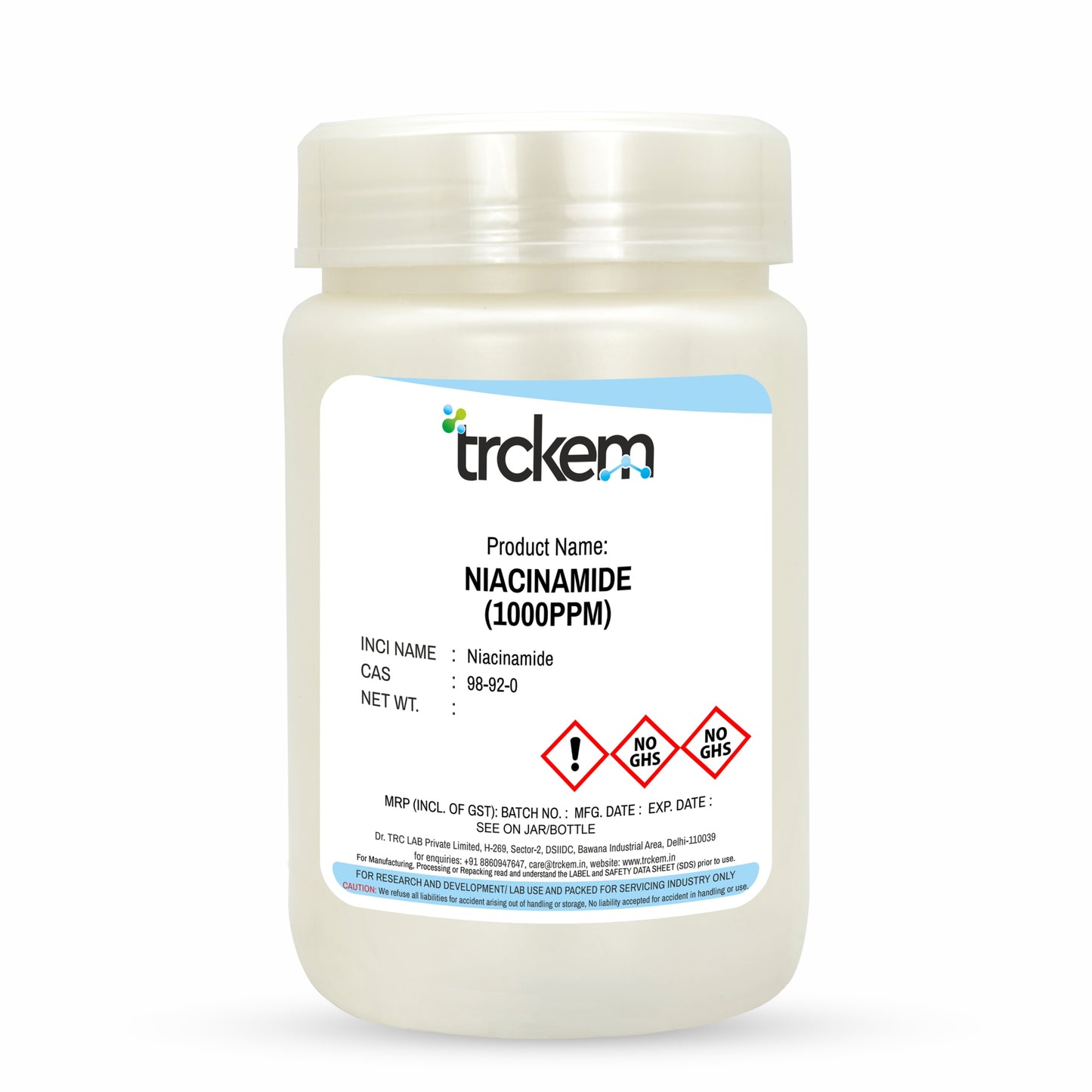
NIACINAMIDE
For Bulk Quantity:📞 8822636416
Couldn't load pickup availability
Niacinamide, also known as Vitamin B3 or nicotinamide, is a water-soluble vitamin that plays a crucial role in various biological processes, including cellular metabolism and DNA repair. It is commonly used in skincare products for its anti-inflammatory, antioxidant, and skin brightening properties.
Product Document: Download Now 👇

General Description
Niacinamide (Vitamin B3) is a water-soluble vitamin known for its multiple skin benefits, including brightening, anti-aging, and oil control properties. Widely used in the cosmetic and skincare industry, niacinamide is a top-choice ingredient for manufacturers looking to formulate effective skincare solutions. Available for bulk purchase, wholesale supply, and private label manufacturing, it is a must-have for skincare brands and cosmetic companies.
Uses in the Cosmetics Industry
Niacinamide is a multifunctional ingredient commonly used in:
✔ Skin Brightening Creams & Serums – Reduces hyperpigmentation and evens skin tone.
✔ Anti-Aging Products – Minimizes fine lines, wrinkles, and boosts collagen production.
✔ Acne & Oil Control Treatments – Regulates sebum production, preventing breakouts.
✔ Hydrating Moisturizers – Strengthens the skin barrier and improves hydration.
✔ Sunscreens & Daily Skincare – Provides antioxidant protection against environmental damage.
Side Effects & Hazards
While niacinamide is generally well-tolerated, some potential concerns include:
⚠ Mild Skin Irritation – In rare cases, high concentrations may cause redness or sensitivity.
⚠ Flushing Effect – When mixed with certain ingredients, it may cause temporary skin flushing.
⚠ Formulation Sensitivity – Works best within a pH range of 5–7 to maintain stability.
CAS Number :98-92-0
INCI: Niacinamide
Composition: Niacinamide is a derivative of niacin (nicotinic acid), a form of Vitamin B3. Its chemical structure consists of a pyridine ring with an amide group (-CONH2) attached.
Purity Grade: No purity grade applicable
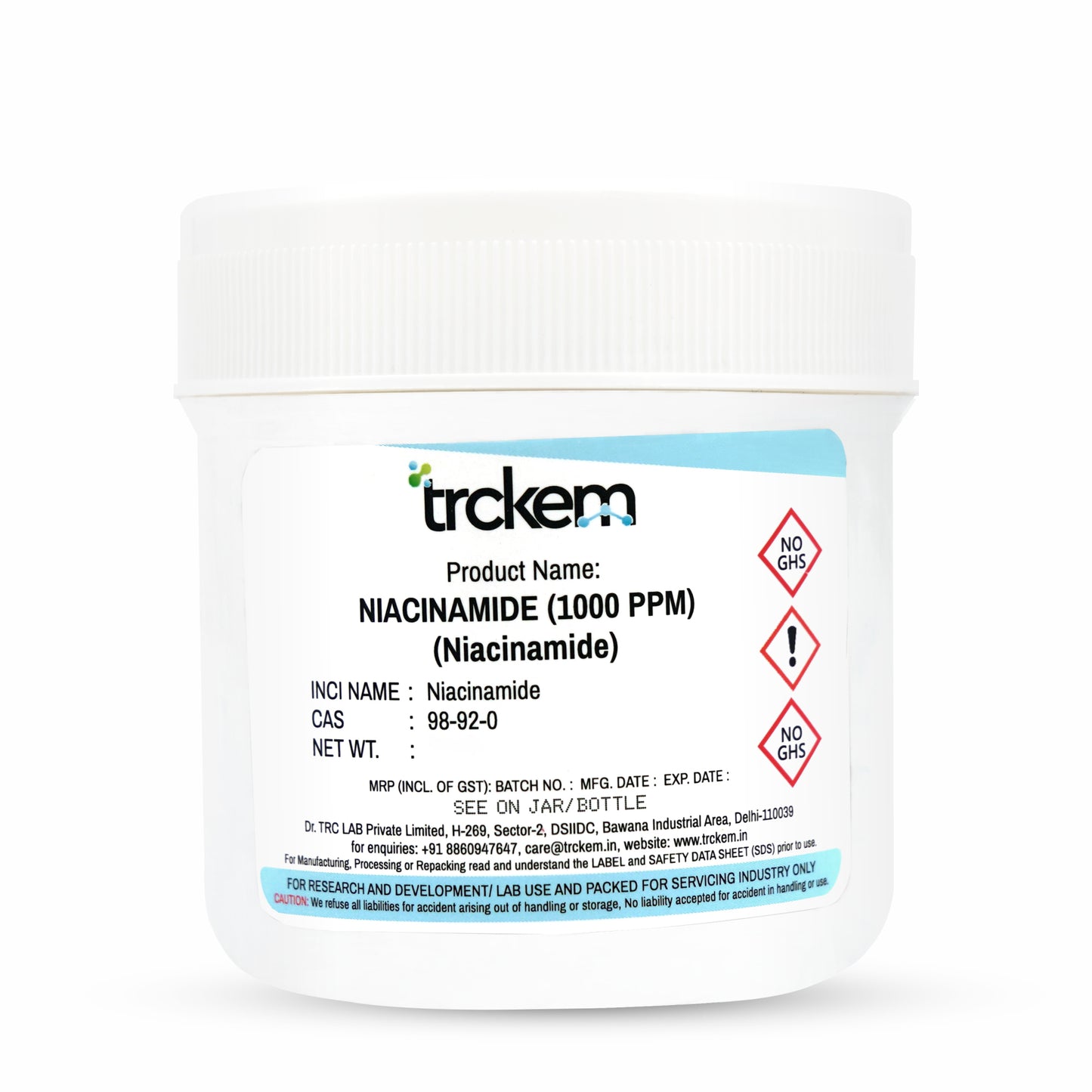
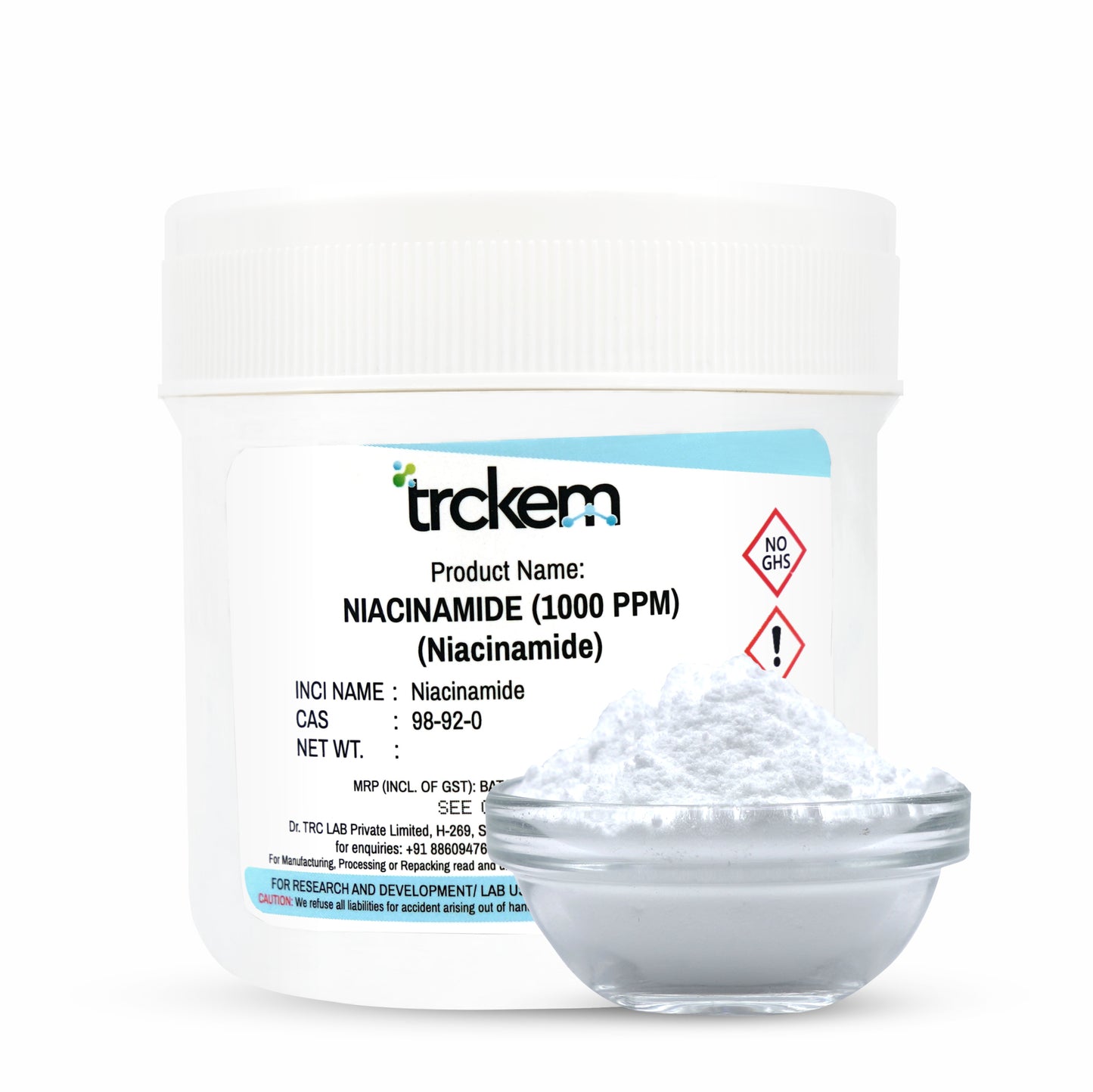
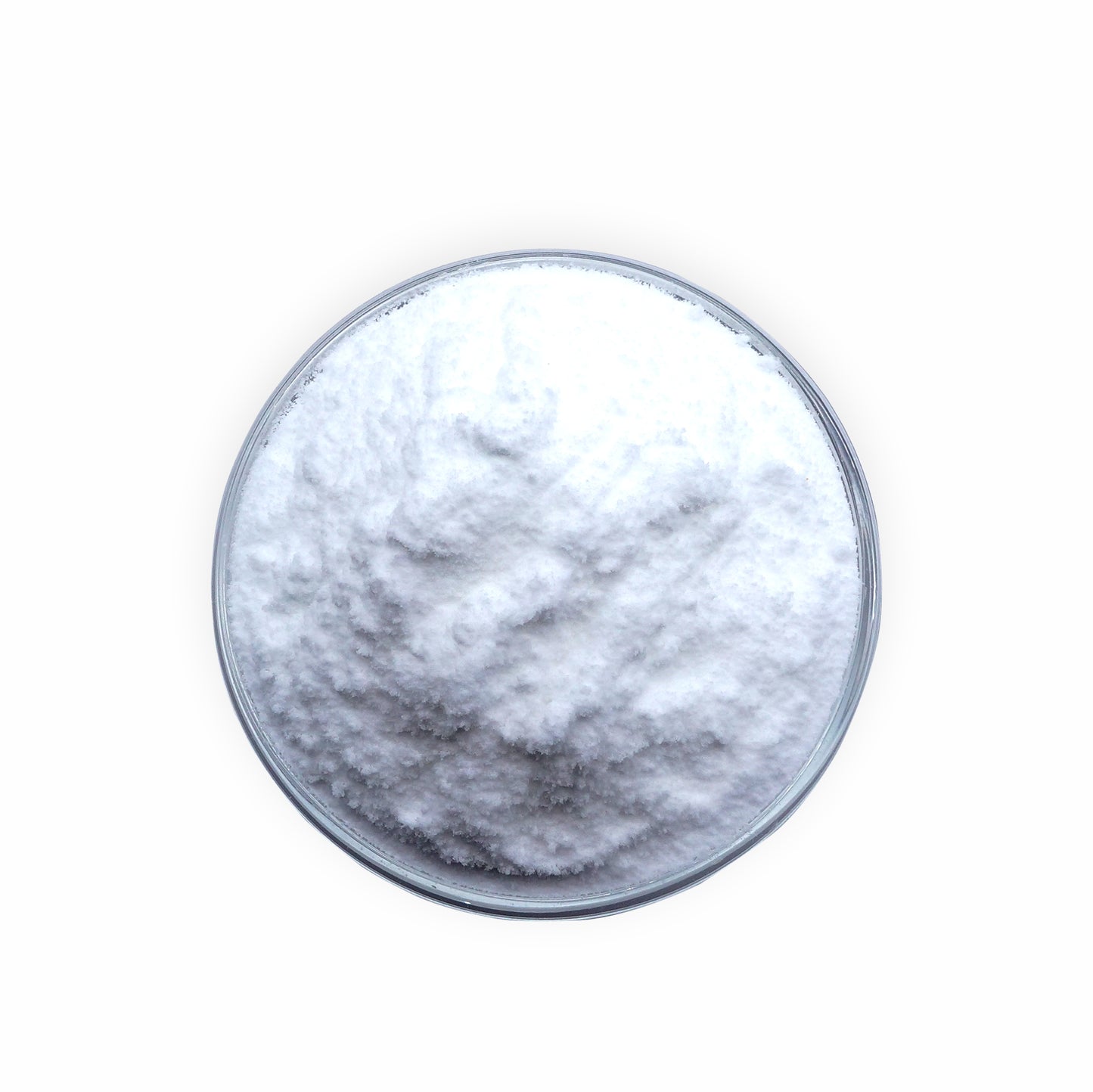
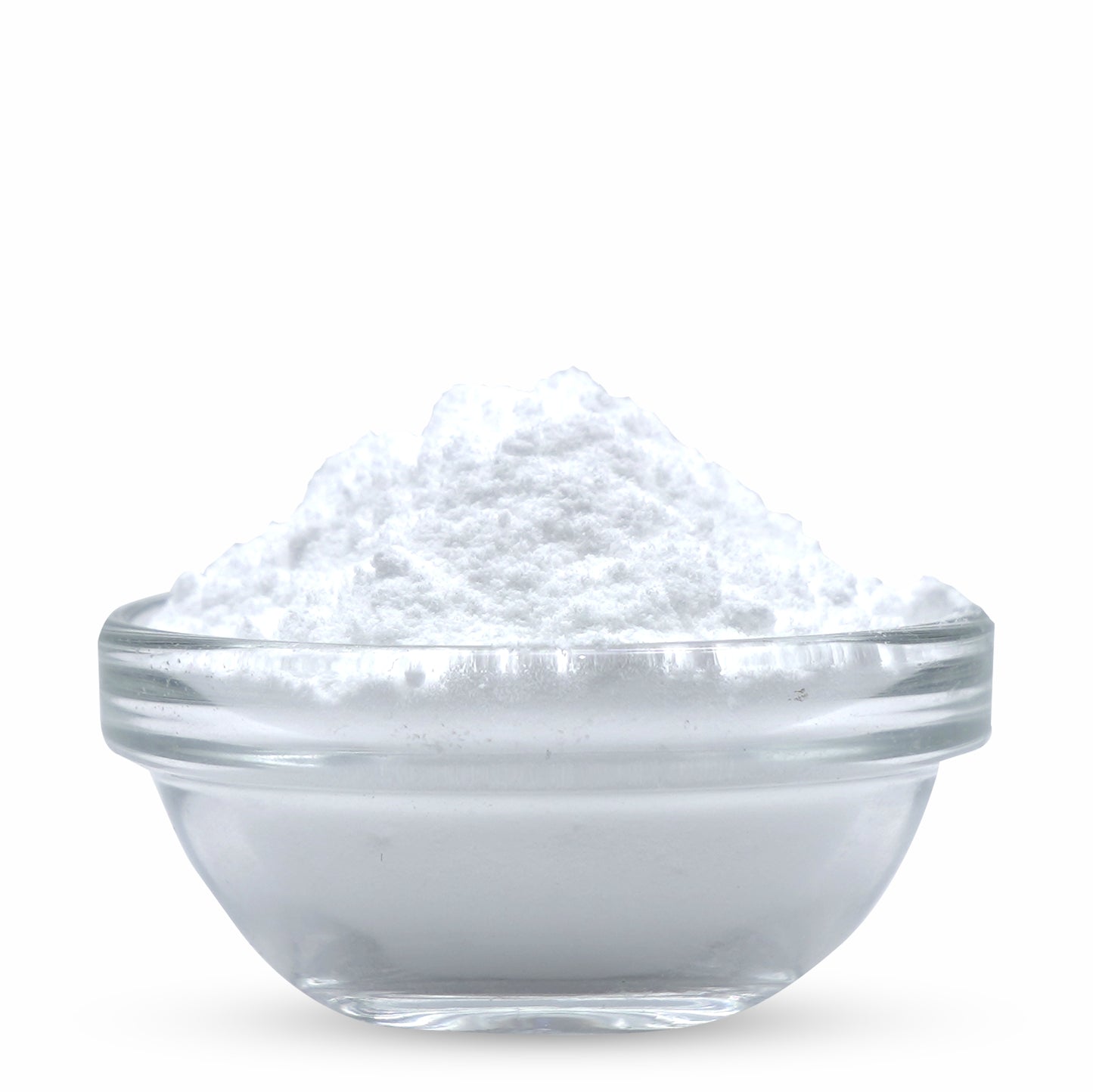
Appearance: Niacinamide typically appears as a white to off-white, crystalline powder..
Solubility: Niacinamide is highly soluble in water and alcohol. It forms clear, colorless solutions.
Preservation: Niacinamide should be stored in a cool, dry place away from direct sunlight and heat sources to prevent degradation. It should be protected from moisture and kept in airtight containers.
Storage: Store in a closed container at a dry place at room temperature
Raw Material Source : Niacinamide can be synthesized from niacin (nicotinic acid) through various chemical processes.
Manufacture: Niacinamide is typically manufactured through the enzymatic conversion of niacin (nicotinic acid) or the reaction of nicotinic acid with ammonia or ammonium carbonate. The resulting nicotinamide is then purified and dried to obtain niacinamide powder.
Animal Testing: Not animal tested
GMO: GMO-free (does not contain plant-derived components)
Vegan: Does not contain animal-derived components
Proposition: NIACINAMIDE complies with relevant regulations and guidelines
Warning: Avoid contact with eyes. In case of contact, rinse thoroughly with water. Use appropriate protective equipment when handling. Keep out of reach of children.
THE STORY OF NIACINAMIDE

Niacinamide: The All-Star Vitamin B3 for Bright, Clear & Strengthened Skin
Niacinamide is a water-soluble Vitamin B3 derivative known for its brightening, barrier-strengthening, anti-acne, oil-regulating, and anti-aging properties.
Used in serums, creams, toners, sunscreens & acne treatments.

High-Purity Vitamin B3 Produced Through Nicotinic Acid Conversion & Refinement
Niacinamide is synthetically produced from:
• Nicotinic acid
• Ammonia
via amidation, crystallization & purification → resulting in pharma and cosmetic grade Vitamin B3.

Brighten. Strengthen. Clarify.
✔ Reduces dark spots & pigmentation
✔ Controls sebum production
✔ Minimizes pores
✔ Strengthens skin barrier
✔ Calms redness & irritation
Used in daily serums, lotions, sunscreens, anti-acne products & brightening creams.

Highly Stable, Skin-Friendly & Compatible Across Most Formulations
• Typical use: 2–10%
• Best at pH 5–7
• Water-soluble → add in water phase
• Works well with HA, ceramides, peptides
• Avoid combining with very low-pH formulas
• Very safe & suitable for sensitive skin
Formulator’s Queries, We Answered
1. What is Niacinamide?
Niacinamide, also known as Vitamin B3, is a water-soluble vitamin widely used in personal care and cosmetic formulations. It is known for its skin-brightening, anti-aging, and barrier-strengthening properties, making it a key ingredient in skincare products.
2. What is the CAS number and INCI name of Niacinamide?
INCI Name: Niacinamide
CAS Number: 98-92-0
3. How is Niacinamide used in personal care products?
Niacinamide is incorporated into various personal care products, including:
Skincare: Found in serums, moisturizers, and creams to improve skin tone, reduce hyperpigmentation, and strengthen the skin barrier.
Hair Care: Used in shampoos and conditioners to support scalp health and improve hair strength.
Sun Care: Added to sunscreens to provide antioxidant protection and enhance the effectiveness of UV filters.
4. What are the benefits of using Niacinamide in skincare?
Niacinamide offers multiple benefits for the skin, including:
Brightening: Reduces dark spots and evens out skin tone.
Anti-Aging: Helps reduce fine lines and wrinkles by boosting collagen production.
Barrier Protection: Strengthens the skin’s natural barrier, preventing moisture loss.
Acne Control: Regulates sebum production and minimizes breakouts.
Anti-Inflammatory: Calms redness and soothes irritated skin.
5. Are there any safety concerns associated with Niacinamide?
Niacinamide is considered safe for topical use in cosmetics when used at recommended concentrations. The typical usage level in skincare ranges from 2% to 10%. It is well-tolerated by most skin types but may cause mild irritation in sensitive individuals when used in high concentrations.
6. Is Niacinamide approved for use in cosmetics?
Yes, Niacinamide is approved for use in cosmetics globally and is included in regulatory lists such as the EU Cosmetic Regulation and the FDA’s list of approved cosmetic ingredients. Manufacturers should follow regional guidelines for formulation and labeling compliance.
7. How can I find more information about Niacinamide?
For more details on Niacinamide, including formulation guidelines and technical specifications, consult the ingredient’s safety data sheet (SDS) or reach out to cosmetic ingredient suppliers. Industry resources such as the UL Prospector database and regulatory agencies also provide valuable insights.