


SKU:LIQ-TRC-NAN(ORANGE)-100ML
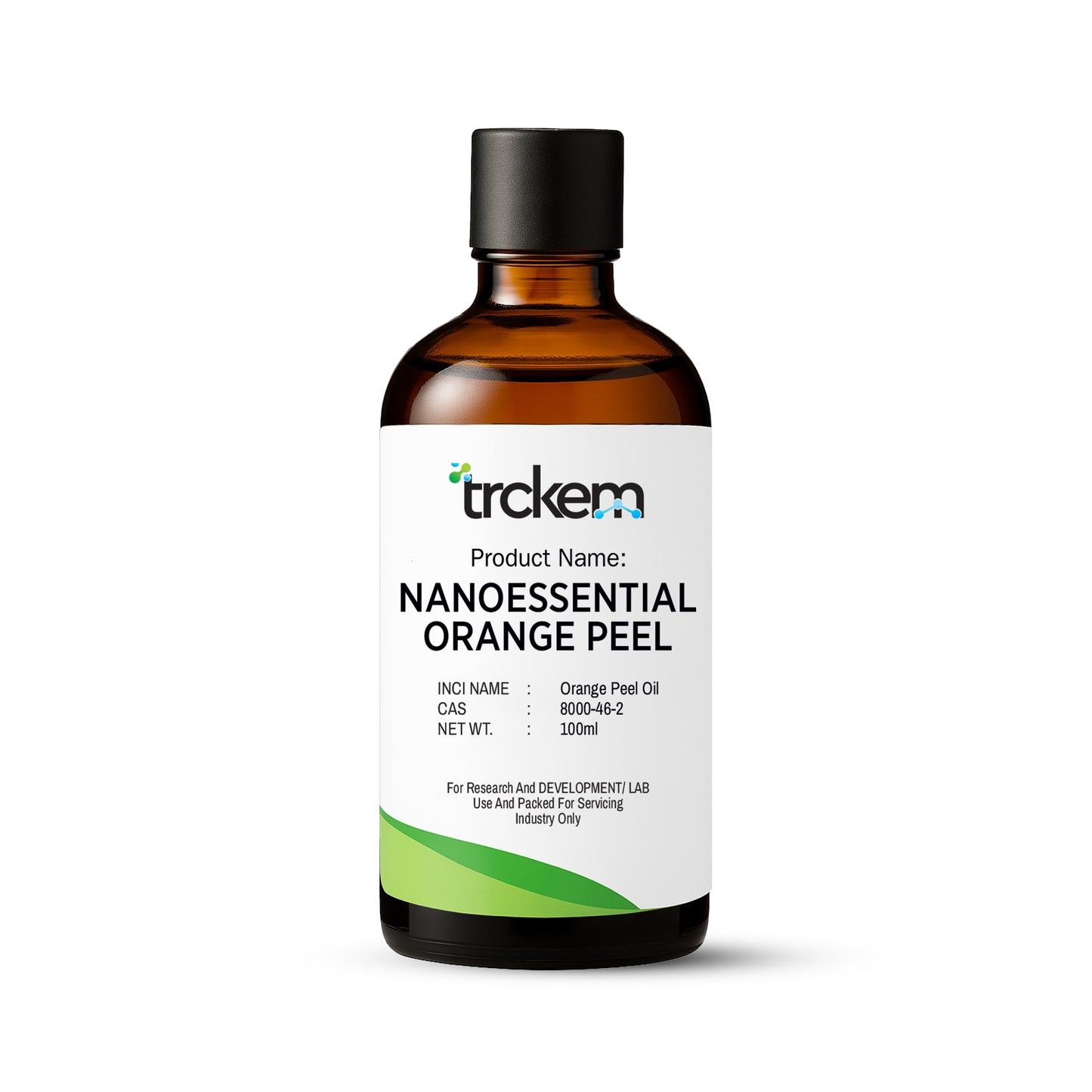
Nanoessential Orange Peel
For Bulk Quantity:📞 8822636416
Couldn't load pickup availability
Nanoessential Orange Peel is a vibrant, citrus-derived active known for its refreshing aroma and natural cleansing power. Rich in limonene and antioxidants, it helps brighten skin, reduce dullness, and support a healthy complexion. Its uplifting scent and gentle purifying properties make it ideal for skincare, haircare, and aromatherapeutic formulations.
Product Document: Download Now 👇

General Description
Nanoessential Orange Peel, derived from the cold-pressed peel of sweet oranges (Citrus sinensis), is a fragrant essential oil widely valued in the cosmetic and personal care industry. Known for its uplifting citrus aroma and natural antimicrobial, antioxidant, and skin-conditioning properties, Nanoessential Orange Peel is commonly incorporated into skincare, haircare, and wellness formulations. Its high content of limonene provides cleansing, brightening, and rejuvenating benefits while enhancing product fragrance and sensory appeal. In nano-enhanced form, it offers improved stability, better skin absorption, and enhanced functional performance in formulations.
Uses in the Cosmetics Industry
Nanoessential Orange Peel is widely used across beauty and personal care products, including:
- Cleansers & Face Washes
Acts as a natural cleansing and purifying agent, helping to remove excess oil and impurities. - Creams & Serums
Provides antioxidant protection, supports skin-brightening effects, and enhances product fragrance. - Haircare Products
Used in shampoos and conditioners for scalp purification, anti-dandruff benefits, and refreshing aroma. - Body Care Products
Common in lotions, scrubs, and body oils for its invigorating scent and skin-smoothing benefits. - Aromatherapy & Spa Products
Added to massage oils, bath salts, and diffusers for its mood-lifting, stress-relieving properties. - Natural & Organic Formulations
Favored in clean beauty products due to its plant origin and multifunctionality.
Manufacturers purchase Nanoessential Orange Peel in bulk for fragrance enhancement, skin conditioning, and natural antimicrobial benefits.
Hazards
Although Nanoessential Orange Peel is generally safe when used within cosmetic guidelines, certain safety considerations apply:
- Skin Sensitivity
May cause irritation or sensitization in some individuals, especially at high concentrations. - Phototoxicity
Contains compounds that may increase skin sensitivity to sunlight; avoid high concentrations in leave-on daytime products unless phototoxic components are reduced. - Eye Irritation
Direct contact can cause burning or redness; avoid the eye area in finished formulations. - Allergic Reactions
Individuals sensitive to citrus or limonene may experience allergic responses. - Volatility & Flammability
As with all essential oils, it is flammable and should be handled with appropriate care.
Storage & Stability
- Storage: Store in a cool, dark place in tightly sealed containers to prevent oxidation.
- Stability: Susceptible to oxidation over time; antioxidants such as Vitamin E may be added to enhance shelf life.
Nanoessential Orange Peel is available in wholesale and bulk quantities for formulators seeking a natural aromatic ingredient with brightening, cleansing, and antioxidant benefits.
CAS Number: 8008-57-9
INCI: Citrus Aurantium Dulcis (Orange) Peel Oil
Composition:Nanoessential Orange Peel is composed primarily of natural volatile aromatic compounds from orange peels. Major constituents include:
- Limonene (major component)
- Myrcene
- Linalool
- Citral
- Other natural terpenes and aromatic compounds
This essential oil is obtained from the peels of sweet oranges.
Purity Grade: 100% Pure Essential Oil (Unadulterated)
Appearance:Yellow to orange liquid with a characteristic fresh, citrus aroma.
Solubility:
- Insoluble in water
- Soluble in most organic solvents (alcohols, lipids)
Preservation:Naturally self-preserving due to high terpene content.
However, antioxidants (e.g., tocopherol) may be added to improve oxidation stability in formulations.
Storage:Store in a cool, dry place in tightly sealed containers.
Keep away from direct sunlight and heat.
Recommended to store under nitrogen or in amber-colored packaging to prevent oxidation.
Raw Material Sources:Derived from the cold-pressed peels of sweet oranges, typically from Citrus aurantium dulcis fruit.
Manufacture:Produced by mechanical cold pressing of orange peels followed by filtration.
Nanoessential version may involve an additional nano-emulsification or particle-size reduction step for improved formulation compatibility.
Animal Testing: Not animal tested
GMO: GMO-free (extracted from non-GMO citrus fruit)
Vegan: Contains no animal-derived ingredients; suitable for vegan formulations.
Proposition:Nanoessential Orange Peel complies with IFRA, EU cosmetic regulations, and relevant international standards for natural essential oils.
Warning:
- May cause skin irritation or sensitization in some individuals; use diluted.
- Avoid contact with eyes.
- Phototoxic potential may exist due to citrus terpenes—use with caution in leave-on products.
- Flammable—keep away from heat and open flames.
Use gloves and protective equipment when handling in bulk.
Formulator’s Queries, We Answered
1) What is the INCI name and CAS number for Nanoessential Orange Peel?
- INCI Name: Citrus Aurantium Dulcis (Orange) Peel Oil
- CAS No.: 8008-57-9
2) What is Nanoessential Orange Peel made of (main chemical components)?
The oil is dominated by d-limonene — typically >80–95% of the volatile fraction — with smaller amounts of monoterpenes and oxygenated terpenes such as myrcene, α-pinene and linalool, plus minor aldehydes (octanal, decanal) that contribute to aroma. Exact composition varies by origin, variety and extraction method; always check the batch GC-MS on the COA
3) What are the primary cosmetic uses of Nanoessential Orange Peel?
Fragrance / perfuming, masking (sweet citrus top notes), and formulation in rinse-off and leave-on products for scent and consumer appeal. It can also be used in small amounts as a natural fragrance note in body care, hair care, soaps, lotions and some OTC topical formulations (subject to safety limits)
4) Are there regulatory or IFRA restrictions I should know about?
Citrus oils are covered by industry standards. IFRA provides Standards/limits for safe use of fragrance ingredients and suppliers will state conformity to relevant IFRA requirements. Note: raw citrus essential oils are sometimes treated differently in certification language; suppliers can confirm IFRA compliance or provide guidance for formulation limits. Always confirm with the supplier’s technical/IFRA statement and your local cosmetic regulator
5) Does Nanoessential Orange Peel cause allergic reactions?
The oil contains fragrance allergens (notably limonene and smaller amounts of other recognized allergens such as linalool). Oxidation products of limonene (from aged/oxidized oil) are known skin sensitisers — so freshness, antioxidant stabilization, and proper storage are important. Patch-test and label per local allergen disclosure rules when required.