


SKU:SOL-TRC-KAD-300G
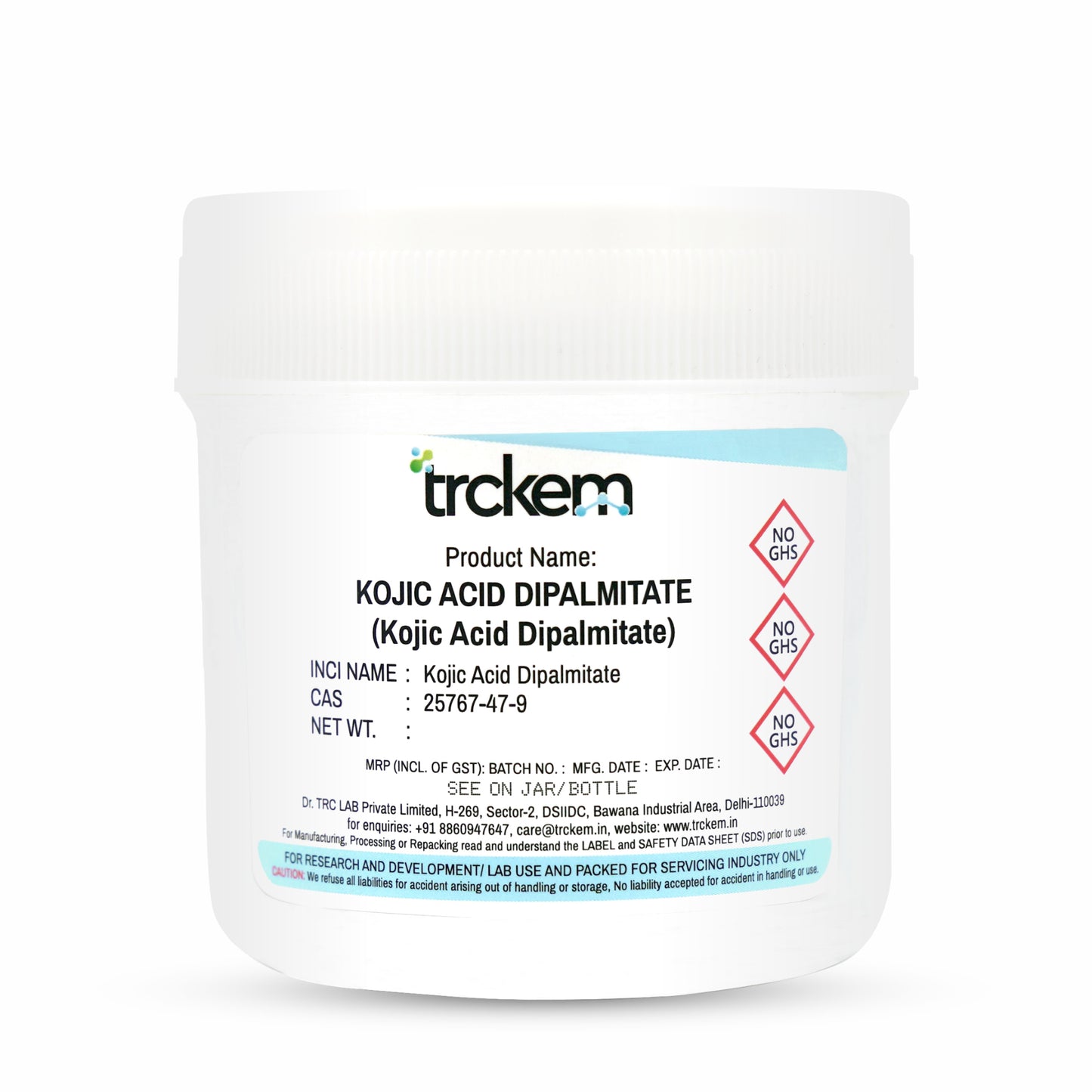
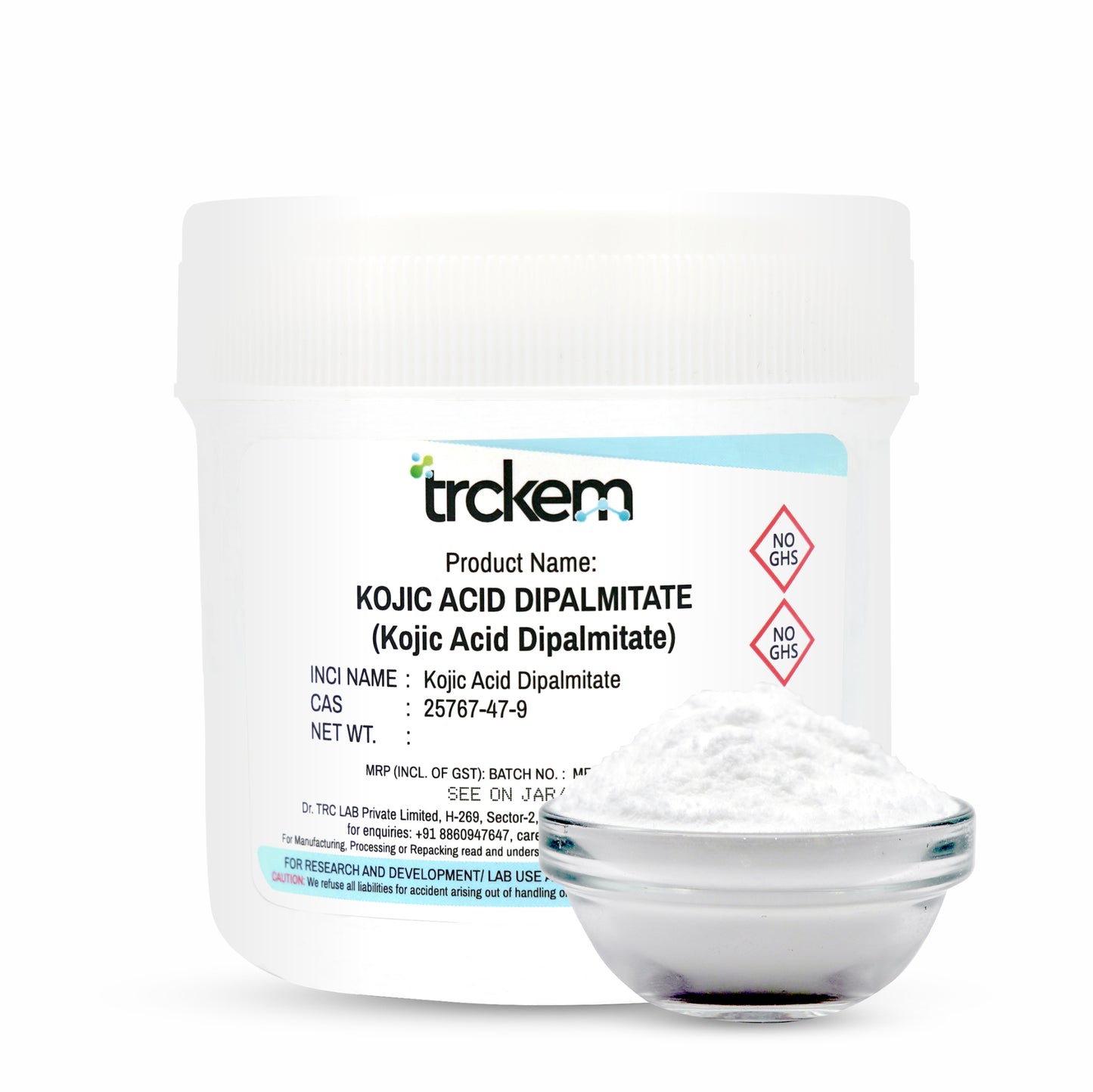
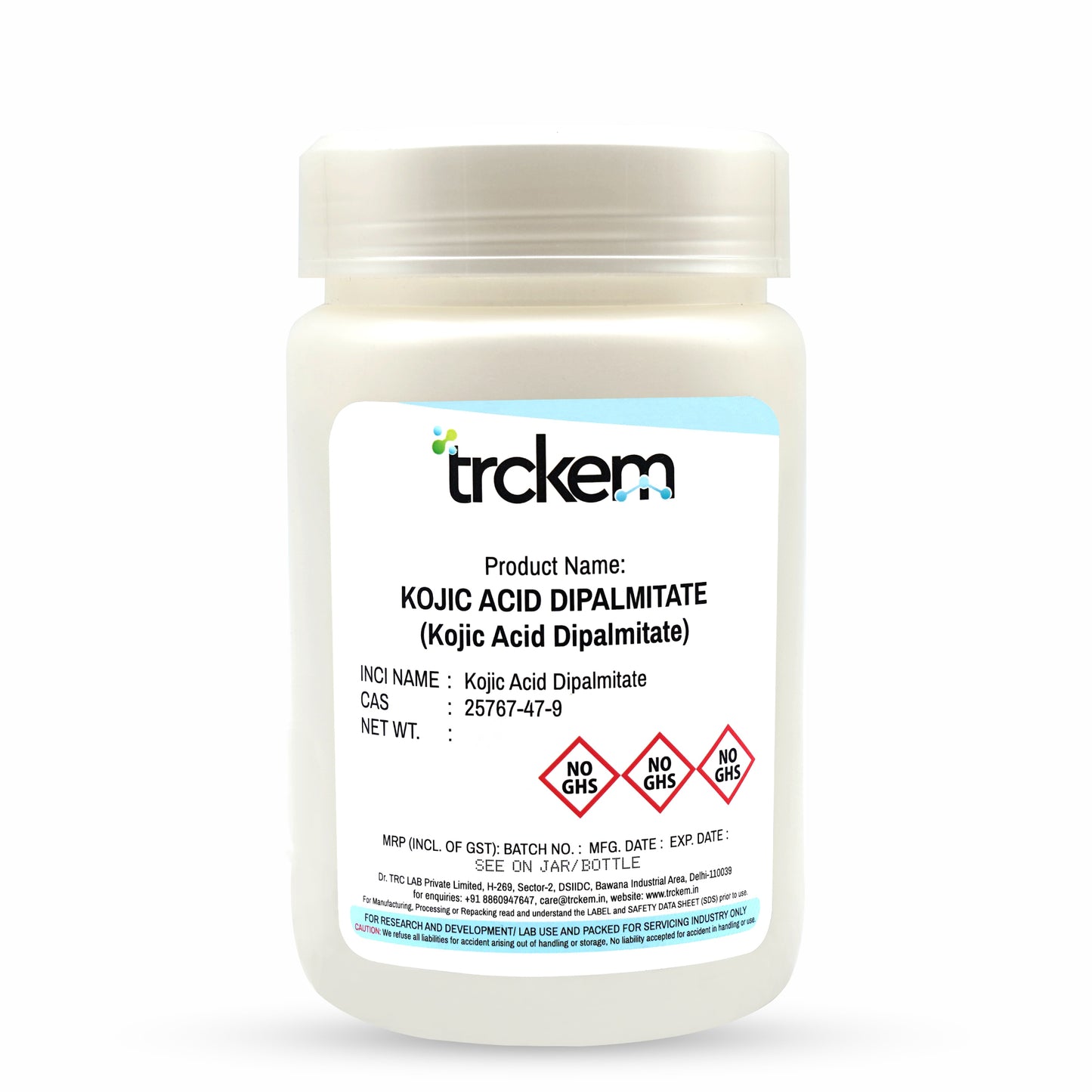
KOJIC ACID DIPALMITATE
For Bulk Quantity:📞 8822636416
Couldn't load pickup availability
Kojic Acid Dipalmitate is a modified form of kojic acid, a natural substance derived from certain fungi. It is commonly used in skincare products for its skin-lightening and brightening properties, as well as its stability compared to kojic acid.
Product Document: Download Now 👇

General Description
Kojic Acid Dipalmitate (KAD) is a more stable, oil-soluble derivative of kojic acid, widely used in the cosmetic and skincare industry for its powerful skin-brightening and antioxidant properties. Unlike pure kojic acid, Kojic Acid Dipalmitate is resistant to oxidation and discoloration, making it an ideal ingredient for long-lasting formulations. Available for bulk purchase, wholesale supply, and private label manufacturing, KAD is a top choice for cosmetic manufacturers worldwide.
Uses in the Cosmetics Industry
Kojic Acid Dipalmitate is a premium skin-lightening agent, often used in:
✔ Whitening Creams & Serums – Reduces hyperpigmentation, dark spots, and melasma.
✔ Anti-Aging Products – Fades age spots and evens out skin tone.
✔ Sunscreens & Daily Skincare – Provides additional protection against UV-induced pigmentation.
✔ Soaps & Body Lotions – Enhances overall skin radiance and glow.
✔ Professional & Dermatological Treatments – Used in advanced skincare formulations for targeted brightening.
Side Effects & Hazards
Although Kojic Acid Dipalmitate is a safe and effective ingredient, some potential concerns include:
⚠ Mild Skin Sensitivity – In rare cases, it may cause irritation or redness, especially for sensitive skin types.
⚠ Reduced Effectiveness with High pH – Works best in formulations with a pH of 4–7 for optimal performance.
⚠ Not Water-Soluble – Requires proper formulation techniques for effective blending.
Looking to buy Kojic Acid Dipalmitate in bulk? We offer high-quality wholesale Kojic Acid Dipalmitate for cosmetic manufacturers and skincare brands. Contact us today for sales inquiries, bulk orders, and private label opportunities! 🚀
CAS Number: 79725-98-7
INCI: Kojic Acid Dipalmitate
Composition: Kojic Acid Dipalmitate is composed of kojic acid molecules esterified with palmitic acid, resulting in improved stability and solubility in cosmetic formulations compared to kojic acid alone.
Purity Grade: No purity grade applicable
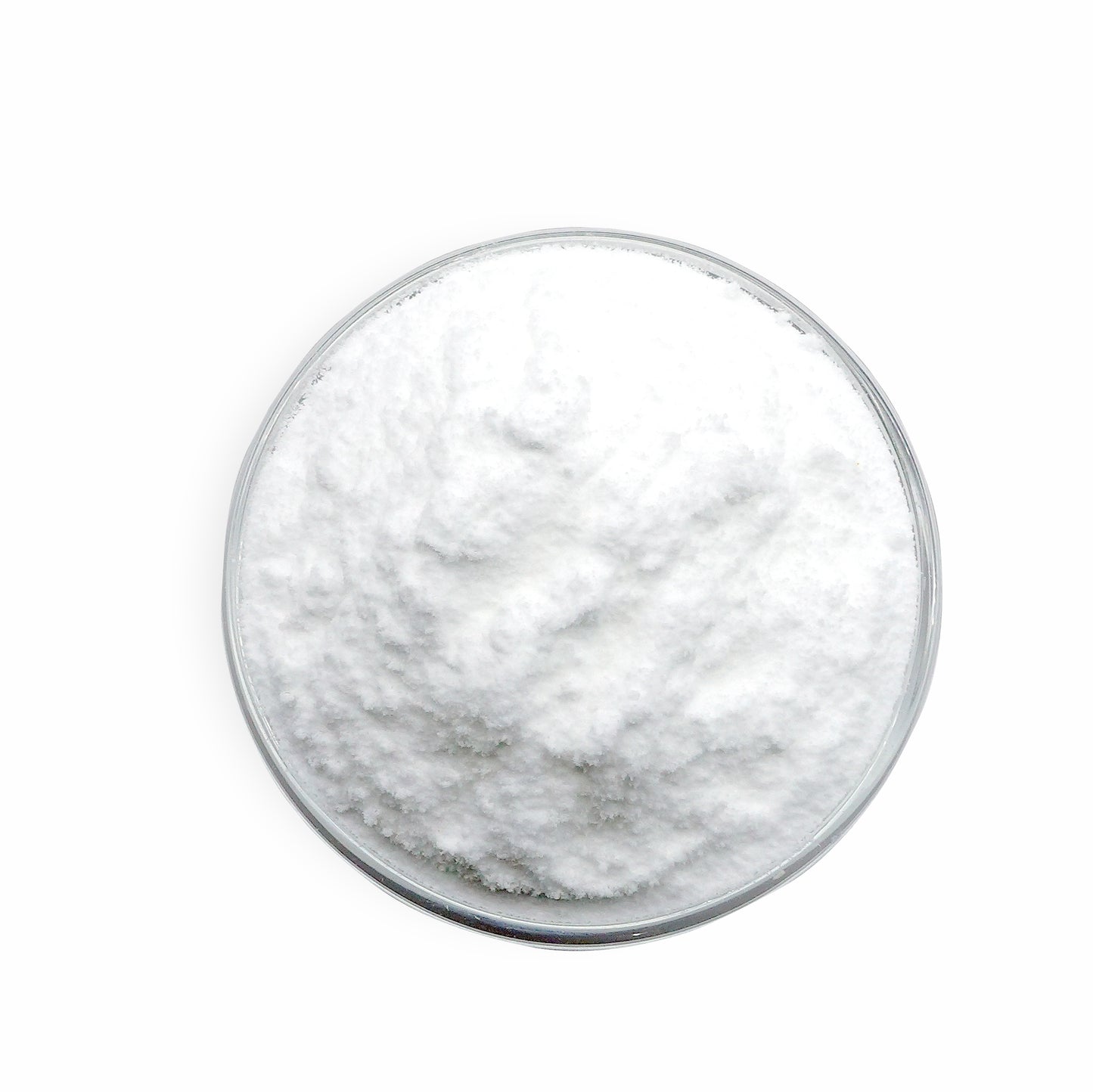
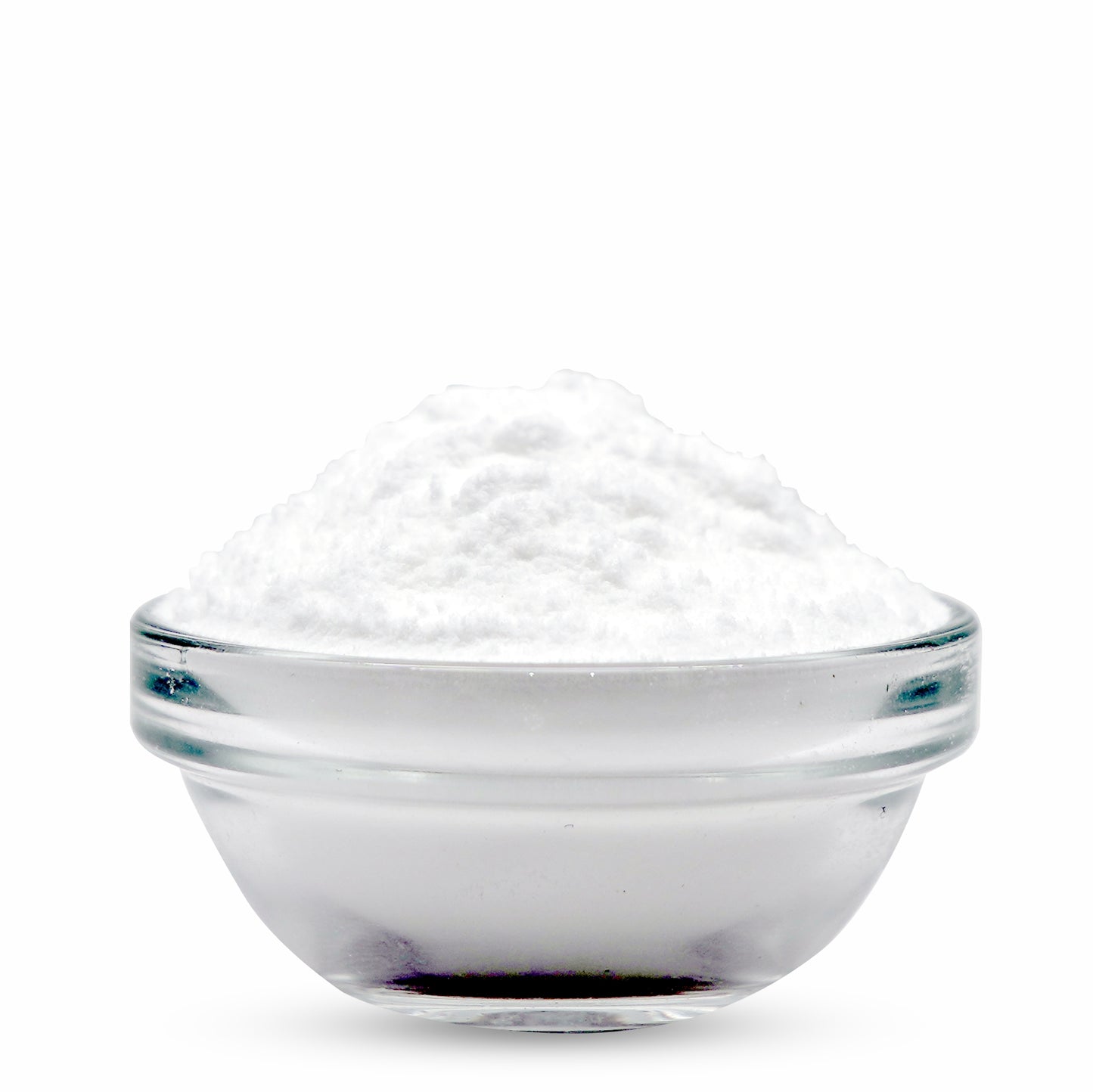
Appearance: Kojic Acid Dipalmitate is typically a white to off-white crystalline powder.
Solubility: It is soluble in oil-based solvents and some organic solvents but has limited solubility in water.
Preservation: Kojic Acid Dipalmitate should be stored in a cool, dry place away from direct sunlight and heat to prevent degradation. It should also be protected from moisture to maintain its stability.
Storage: Store in a closed container at a dry place at room
temperature
Raw Material Source Kojic Acid Dipalmitate is synthesized from kojic acid, which is naturally derived from certain fungi, and palmitic acid, which can be obtained from plant or animal sources.
Manufacture: Kojic Acid Dipalmitate is synthesized from kojic acid, which is naturally derived from certain fungi, and palmitic acid, which can be obtained from plant or animal sources.
Animal Testing: Not animal tested
GMO: GMO-free (does not contain plant-derived components)
Vegan: Does not contain animal-derived components
Proposition: KOJIC ACID DIPALMITATE complies with relevant regulations and
guidelines
Warning: Avoid contact with eyes. In case of contact, rinse thoroughly with water. Use appropriate protective equipment when handling. Keep out of reach of children.
THE STORY OF KOJIC ACID DIPALMITATE

Kojic Acid Dipalmitate: The Stable, High-Performance Brightening Ester
Kojic Acid Dipalmitate (KAD) is an advanced, oil-soluble brightening ingredient derived from Kojic Acid.
It is more stable, less irritating, and more effective than pure Kojic Acid in cosmetic formulations.
KAD is widely used in brightening serums, skin-tone correctors, anti-spot creams, and luxury skincare for clear, even, radiant skin.

Esterified Kojic Acid for Maximum Stability & Superior Skin Compatibility
Kojic Acid Dipalmitate is produced by esterifying kojic acid with palmitic acid, resulting in a highly stable brightening molecule.
Key advantages of the ester form:
• Resistant to oxidation & discoloration
• Oil-soluble for smoother incorporation
• Less irritating than kojic acid
• More stable in a wide pH range
TRCkem supplies high-purity, cosmetic-grade Kojic Acid Dipalmitate for premium brightening systems.

Brighten. Correct. Illuminate.
Kojic Acid Dipalmitate offers advanced skin benefits:
✅ Lightens dark spots, melasma & age spots
✅ More stable & long-lasting than Kojic Acid
✅ Improves overall skin radiance & clarity
✅ Gentle for sensitive and dry skin types
✓ Works synergistically with Vitamin C, Niacinamide & Alpha Arbutin
Used in: brightening serums, pigmentation creams, spot correctors, toners, facial oils, lotion bars & premium skincare emulsions.

Stable, Effective & Easy to Use in Oil-Phase Formulations
• Typical use level: 1–3% in brightening systems
• Being oil-soluble, add to the oil phase of emulsions
• Works well in pH 4–8 formulations
• Requires gentle heat for dissolution (50–70°C)
• More stable than kojic acid — resists oxidation & browning
• Patch test recommended for sensitive skin
• Store in airtight containers away from direct heat & light
Formulator’s Queries, We Answered
1. What is Kojic Dipalmitate?
Kojic Dipalmitate is a diesterified derivative of kojic acid, formed by combining kojic acid with palmitic acid. This modification enhances its stability and efficacy in cosmetic formulations, making it a popular ingredient in skin-brightening products.
2. What is the INCI Name of Kojic Dipalmitate?
The INCI (International Nomenclature of Cosmetic Ingredients) name for this compound is Kojic Dipalmitate.
3. What is the CAS Number of Kojic Dipalmitate?
The CAS (Chemical Abstracts Service) number for Kojic Dipalmitate is 79725-98-7.
4. What are the key benefits of using Kojic Dipalmitate in personal care products?
Skin Brightening: Helps to lighten visible sun damage, age spots, and scars, contributing to an anti-aging effect on the skin.
HEALTHLINE.COM
Improved Stability: More stable than kojic acid in cosmetic formulations, ensuring longer shelf life and consistent efficacy.
LOTIONCRAFTER.COM
Antioxidant Properties: Provides antioxidant benefits, helping to protect the skin from environmental stressors.
5. In which personal care products is Kojic Dipalmitate commonly used?
Kojic Dipalmitate is utilized in various formulations, including:
Skin-Lightening Creams and Serums: To reduce hyperpigmentation and even out skin tone.
Anti-Aging Products: To diminish the appearance of age spots and enhance skin radiance.
Sunscreens: To prevent pigmentation caused by UV exposure.
6. Is Kojic Dipalmitate safe for cosmetic use?
Yes, Kojic Dipalmitate is considered safe for use in cosmetics and personal care products. It is generally well-tolerated by the skin and does not have the instability or potential irritation associated with kojic acid.
7. Is Kojic Dipalmitate suitable for sensitive skin?
Kojic Dipalmitate is generally suitable for sensitive skin due to its improved stability and lower likelihood of causing irritation compared to kojic acid. However, as with any active ingredient, it's advisable to conduct a patch test before widespread application.
8. How does Kojic Dipalmitate differ from Kojic Acid?
While both compounds aim to lighten skin pigmentation, Kojic Dipalmitate is more stable and less likely to cause irritation than kojic acid. This makes it a preferred choice in many cosmetic formulations.
9. Where can I purchase Kojic Dipalmitate for personal care formulations?
Kojic Dipalmitate can be sourced from specialty chemical suppliers, cosmetic ingredient distributors, and bulk manufacturers catering to the personal care industry.
10. What is the recommended usage level of Kojic Dipalmitate in formulations?
The typical usage level of Kojic Dipalmitate ranges from 1% to 5%, depending on the desired effect and formulation requirements.