


SKU:SOL-TRC-CETYLALCOHOL-300G
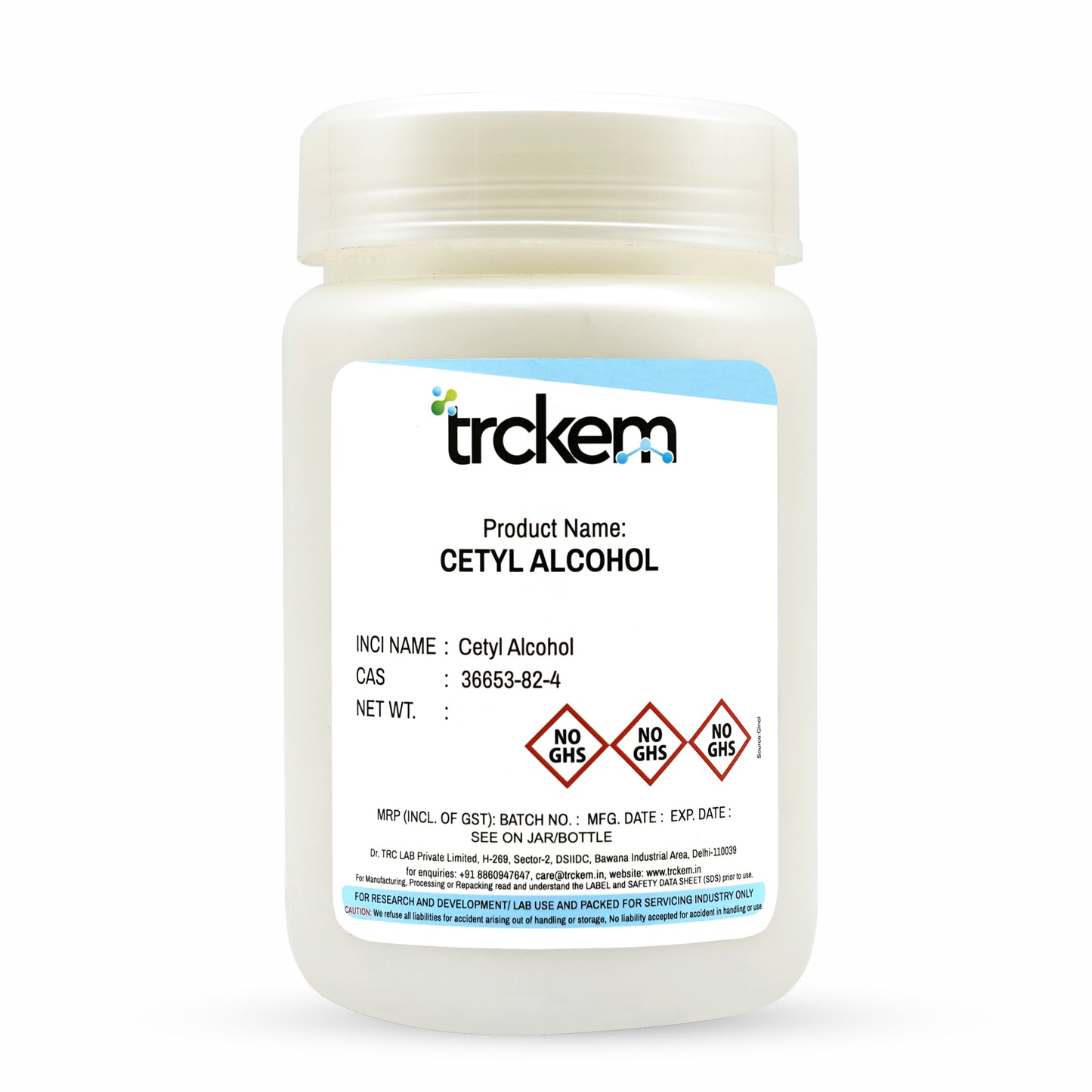
CETYL ALCOHOL
For Bulk Quantity:📞 8822636416
Couldn't load pickup availability
Cetyl Alcohol is a fatty alcohol commonly used in cosmetic and pharmaceutical products as an emollient, emulsifier, thickener, and stabilizer. It is derived from natural sources such as coconut or palm oil and is known for its waxy texture and moisturizing properties.
Product Document: Download Now 👇

General Description:
Cetyl Alcohol is a fatty alcohol derived from natural sources like coconut or palm oil. It appears as a white, waxy solid that is widely used as an emollient, emulsifier, and thickening agent. As a non-drying alcohol, Cetyl Alcohol is valued for its ability to improve the texture and stability of various formulations. Many manufacturers and suppliers offer Cetyl Alcohol for sale in bulk, wholesale, and retail markets, making it easily accessible for businesses in different industries.
Uses in the Cosmetics Industry:
Cetyl Alcohol plays a crucial role in skincare and haircare products. It is commonly used in lotions, creams, conditioners, and moisturizers to enhance their consistency and spreadability. Many manufacturers buy Cetyl Alcohol in bulk to produce high-quality beauty and personal care products. It helps to lock in moisture, giving skincare formulations a smooth and luxurious feel. Due to its emulsifying properties, it prevents oils and liquids from separating, ensuring product stability.
Side Effects:
While Cetyl Alcohol is generally safe for topical use, some individuals may experience mild skin irritation or allergic reactions, especially those with sensitive skin. It is recommended to conduct a patch test before using products containing this ingredient. If irritation occurs, discontinue use and consult a dermatologist.
Hazards:
Although Cetyl Alcohol is considered non-toxic and safe for cosmetic use, improper handling in its raw form may cause mild irritation to the eyes and respiratory system. When dealing with bulk or wholesale quantities, manufacturers and suppliers should follow proper storage and safety precautions. Keep the product in a cool, dry place, away from direct heat or flames.
For wholesale purchases or bulk sales of Cetyl Alcohol, always source from trusted suppliers and manufacturers to ensure high quality and purity. Whether you're in cosmetic production, skincare formulation, or industrial applications, Cetyl Alcohol remains a key ingredient for achieving the best product performance.
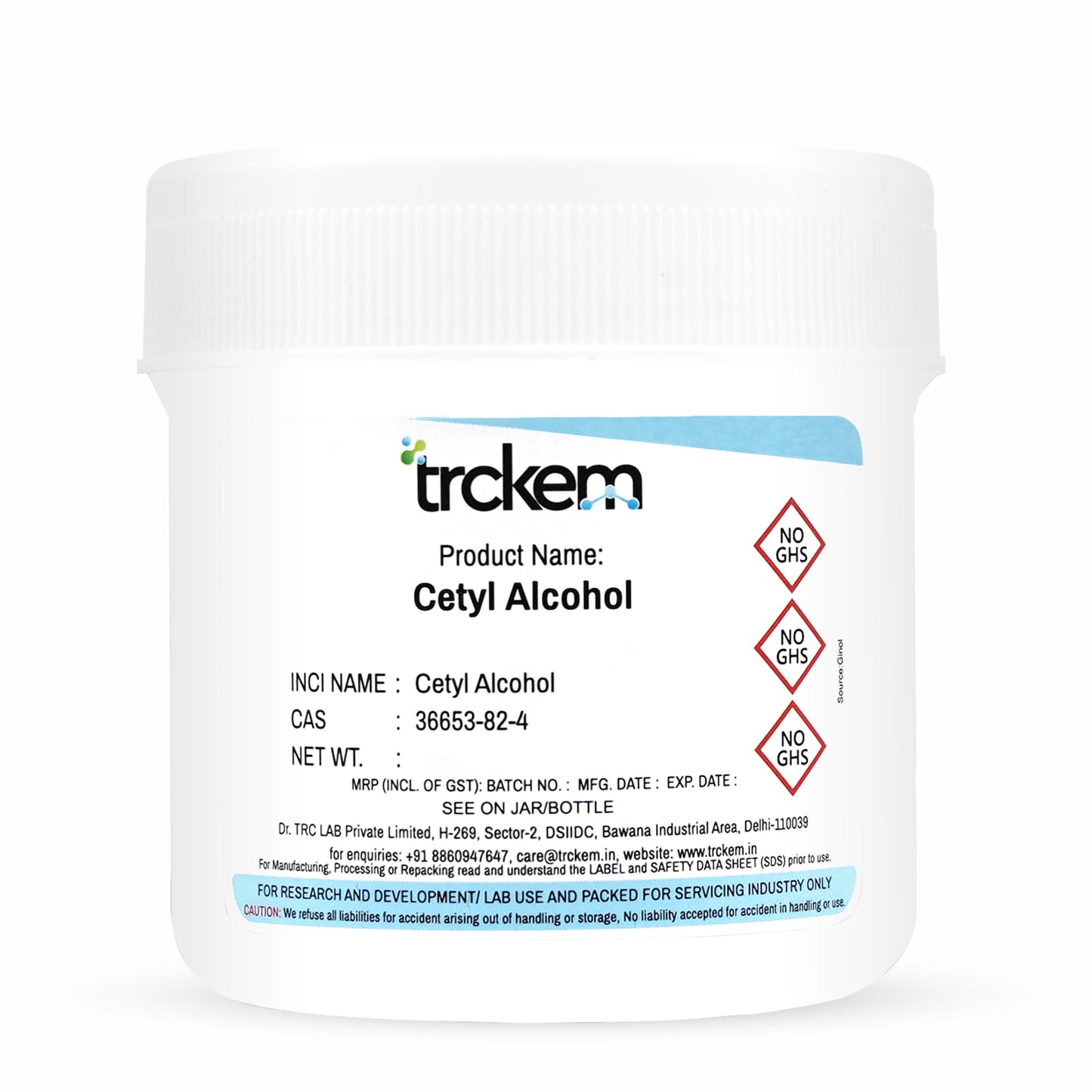
CAS Number: 36653-82-4
INCI: Cetyl Alcohol
Composition: Cetyl Alcohol is a long-chain fatty alcohol with the chemical formula C16H34O. It is composed of a single fatty alcohol molecule, specifically cetyl alcohol (hexadecanol).
Purity Grade: No purity grade applicable
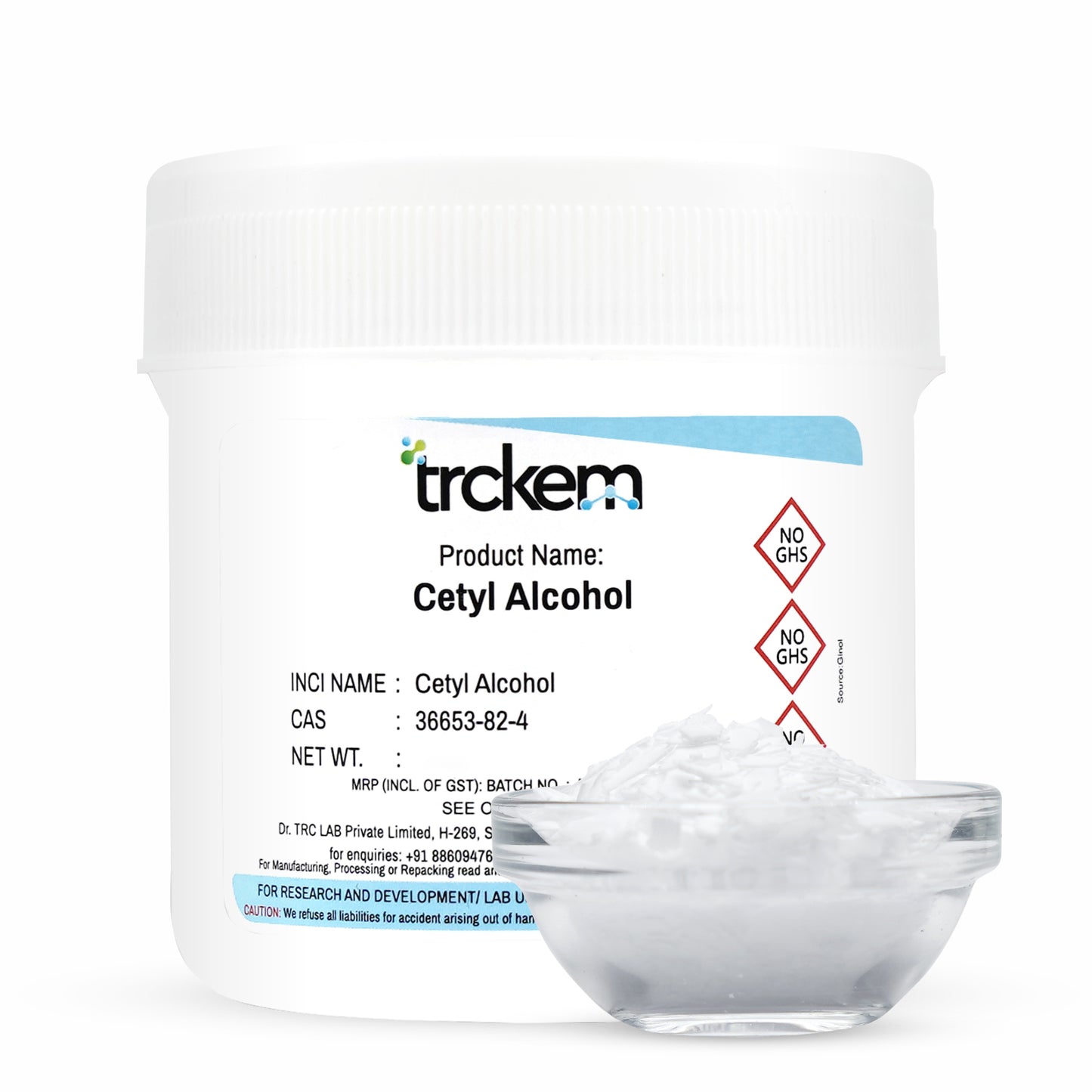
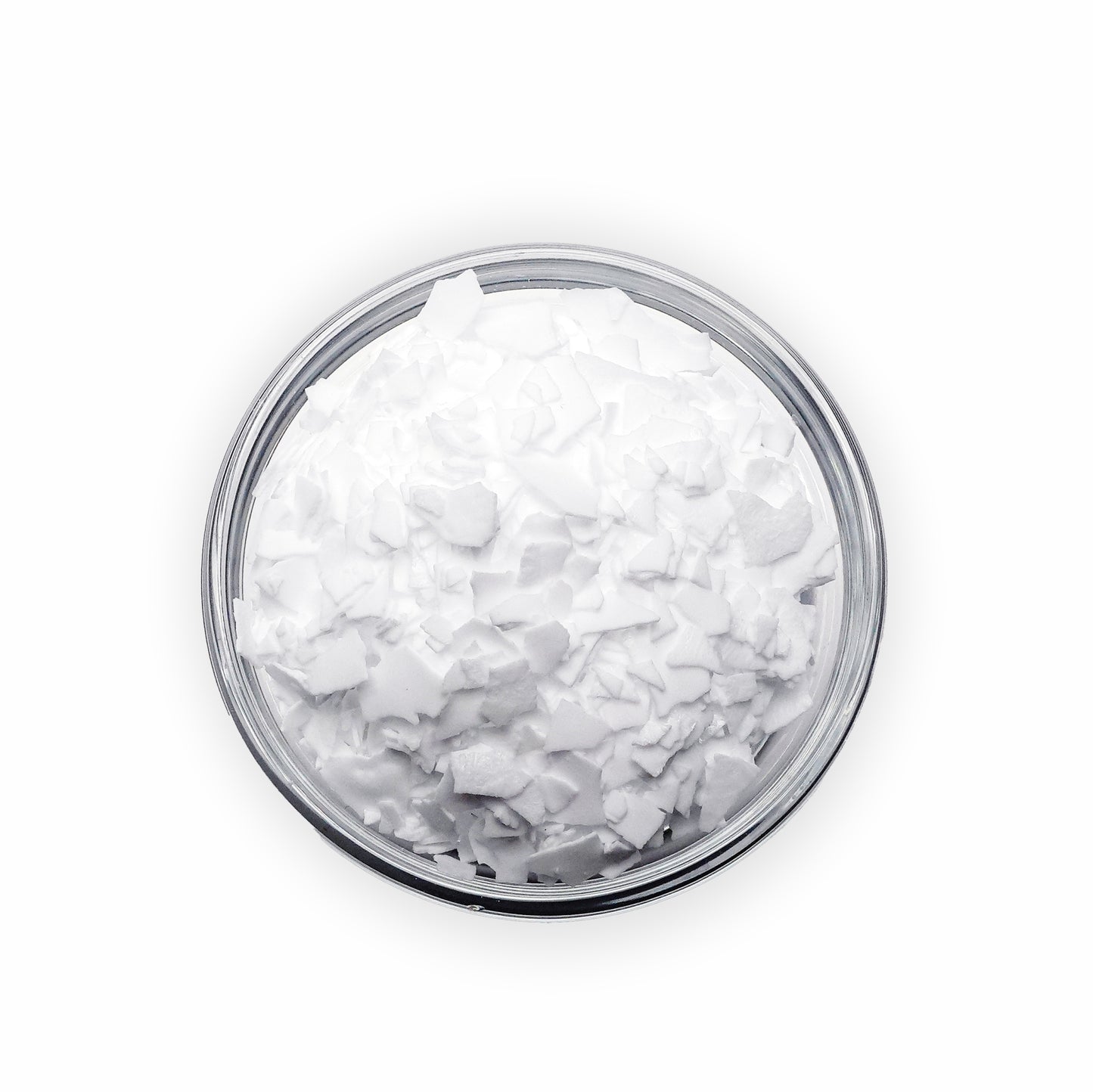
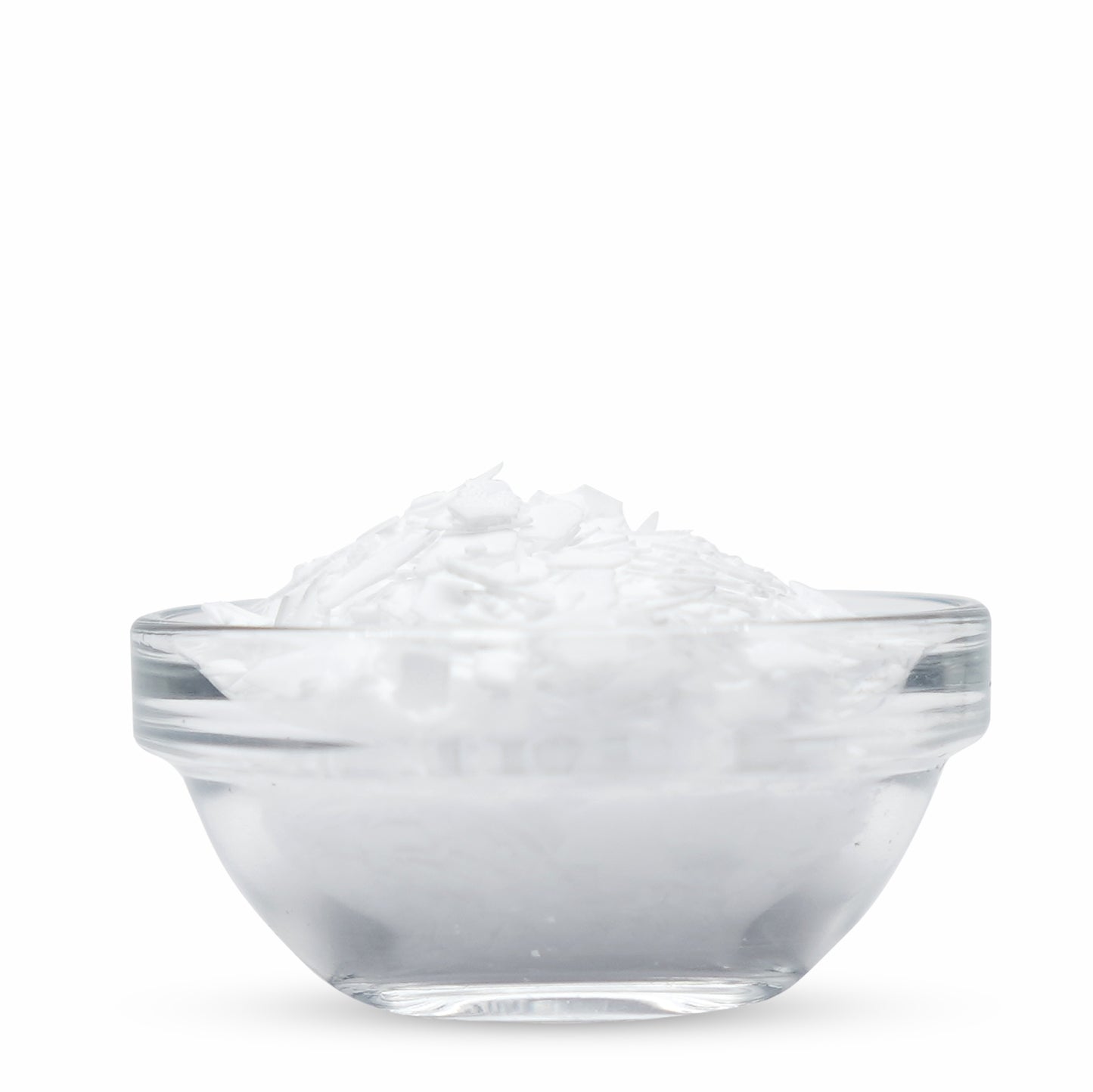
Appearance: Cetyl Alcohol typically appears as a white, waxy solid in the form of flakes or pellets.
Solubility: Cetyl Alcohol is practically insoluble in water but soluble in alcohol and oil-based solvents. It melts at relatively low temperatures and forms stable emulsions when mixed with water, making it useful in the formulation of creams, lotions, and ointments.
Preservation: Cetyl Alcohol itself does not possess preservative properties. However, it is often used in conjunction with other preservatives in formulations to ensure product stability and microbial safety.
Storage: Store in a closed container at a dry place at room temperature
Raw Material Source: Cetyl Alcohol is derived from natural sources such as coconut oil or palm oil, which contain fatty acids. These fatty acids undergo hydrogenation to produce the corresponding fatty alcohols, including cetyl alcohol.
Manufacture: Cetyl Alcohol is typically manufactured through the hydrogenation of fatty acids obtained from natural oils such as coconut oil or palm oil. The fatty acids are hydrogenated using catalysts to convert them into the corresponding fatty alcohols, including cetyl alcohol.
Animal Testing: Not animal tested
GMO: GMO-free (does not contain plant-derived components)
Vegan: Does not contain animal-derived components
Proposition: CETYL ALCOHOL complies with relevant regulations and guidelines.
Warning: Avoid contact with eyes and skin. Use appropriate protective equipment when handling.
THE STORY OF CETYL ALCOHOL

Cetyl Alcohol: The Creamy-Feel Fatty Alcohol for Silky Emulsions
Cetyl Alcohol is a long-chain fatty alcohol used in skincare and haircare formulations as a thickener, emollient, texture enhancer, and emulsion stabilizer. Unlike drying ethanol-type alcohols, cetyl alcohol delivers a soft, velvety feel and helps create rich creams, conditioners, butters, and balms.

Vegetable-Derived Fatty Alcohol Refined for Cosmetic Stability
Cetyl Alcohol is produced by hydrogenating natural fatty acids sourced from coconut oil, palm kernel oil, or other vegetable feedstocks. The result is a high-purity C16 fatty alcohol with excellent oxidative stability, melt profile, and formulation compatibility. TRCkem supplies both liquid-phase and flake-grade cosmetic materials.

Thicken. Soften. Improve Skin Feel.
Key formulation benefits:
✅ Builds viscosity & structure without heaviness
✅ Enhances slip, glide, and velvet finish in creams & conditioners
✅ Improves emulsion stability with low soaping effect
✅ Acts as a secondary emulsifier and oil-phase stabilizer
✅ Boosts conditioning when combined with cationic quats (e.g., BTMS)
Common uses: lotions, body butters, conditioners, PEG emulsions, lip balms, ointments, sunscreen emulsions, hot-pour sticks.

Globally Approved, Easy to Formulate & Naturally Accepted
• Typical use level: 1–8% (higher for balms + anhydrous systems)
• Add to oil phase, melt at 55–70 °C
• Compatible with oils, butters, esters, carbomers, silicones, quats & waxes
• ECOCERT & COSMOS approved when from vegetable origin
• Not a drying alcohol — safe for sensitive skin, baby care & natural formulations
• Stable, non-irritating, long shelf life when kept cool and dry
Formulator’s Queries, We Answered
1. What is Cetyl Alcohol?
Cetyl Alcohol is a long-chain fatty alcohol (a “fatty” waxy solid) used in many cosmetic and personal care formulations. It has a waxy texture, is solid at room temperature, and is used to improve texture, stability, consistency, and skin feel in creams, lotions, conditioners, and other products.
2. What are the CAS Number and INCI Name of Cetyl Alcohol?
CAS Number: 36653-82-4
INCI Name: Cetyl Alcohol
3. What are the benefits of using Cetyl Alcohol in personal care products?
Emollient: Softens and smooths the skin by forming a lightweight occlusive layer, helping to reduce moisture loss.
Thickening / Viscosity Control: Helps to increase thickness and richness of creams, lotions, conditioners, giving a more luxurious texture.
naturalbulksupplies.com
Emulsion Stabilization: Acts as a stabilizer/co-emulsifier to help prevent separation of oil and water phases.
Opacifier: Can make formulations less transparent; helps to improve visual appearance.
Improves Spreadability & Feel: Contributes to a smoother, more velvety skin feel; helps the product apply more evenly.
4. In what types of personal care products is Cetyl Alcohol commonly used?
Cetyl Alcohol is versatile and is used in many personal care product types, including:
- Skin care creams, lotions, body butters
- Hair care products like conditioners, hair masks, shampoos (especially for conditioning, thickening, smoothing)
- Lipsticks, balms, wax-based formulations
- Other emulsion products, including soaps, cleansers, and possibly some makeup formulations for texture/stability improvements.
5. What are typical usage levels of Cetyl Alcohol in formulations?
In lotions, creams, and emulsions: often 1-5 % to give body, thickness, and creamy texture.
In richer or more solid / waxy / balm-type or anhydrous formulations (e.g., body butters, solid bars) it may be used in higher amounts (sometimes up to ~30 %) depending on desired firmness.
6. Is Cetyl Alcohol safe for use in personal care products?
Yes. Cetyl Alcohol is widely used and generally considered safe. It is approved in many jurisdictions (FDA, EU, etc.) for cosmetic use. It is not the same as “drying” short-chain alcohols (like ethanol) and does not typically dry out skin.
7. Can Cetyl Alcohol cause skin or other irritation or sensitivities?
Most people tolerate it well. Because it is a fatty alcohol with long chain, it tends to be gentle and non-irritating.
However, as with any ingredient, those with very sensitive skin should patch test, especially if multiple fatty alcohols / waxes are present or if the source is not well refined.
Allergic reactions are rare.
8. Is Cetyl Alcohol environmentally friendly / of natural origin?
Cetyl Alcohol is often derived from natural sources such as vegetable oils (coconut, palm) rather than synthetic sources.
Its biodegradability is relatively good (being a fatty alcohol) compared to many synthetic long polymers.
Sustainability concerns: if derived from palm oil, sourcing from certified sustainable palm oil (e.g. RSPO) is important.
9. Are there alternatives to Cetyl Alcohol for similar functional roles?
Yes. Depending on what you're optimizing for (texture, emollience, viscosity), alternatives include:
Other fatty alcohols such as Stearyl Alcohol, Cetearyl Alcohol (a mix of cetyl + stearyl)
Natural waxes and butters (e.g. shea butter, cocoa butter) for emollience and structure
Vegetable esters, fatty acids and other thickening agents if wanting different sensory or natural-label claims.
10. How should Cetyl Alcohol be handled, stored, and formulated to get best results?
It is solid/waxy; melt it properly as part of the oil (lipophilic) phase when making emulsions or creams.
Temperature: its melting point is around 48-50 °C
Store in a cool, dry place, sealed to prevent contamination or moisture.
Ensure high purity (low presence of free fatty acids, low contaminants) for sensitive skin or high-end applications.
Blend well with emulsifiers, oils, but avoid overheating (which could degrade certain oils or additives).