


SKU:LIQ-TRC-CALENDULA-100ML
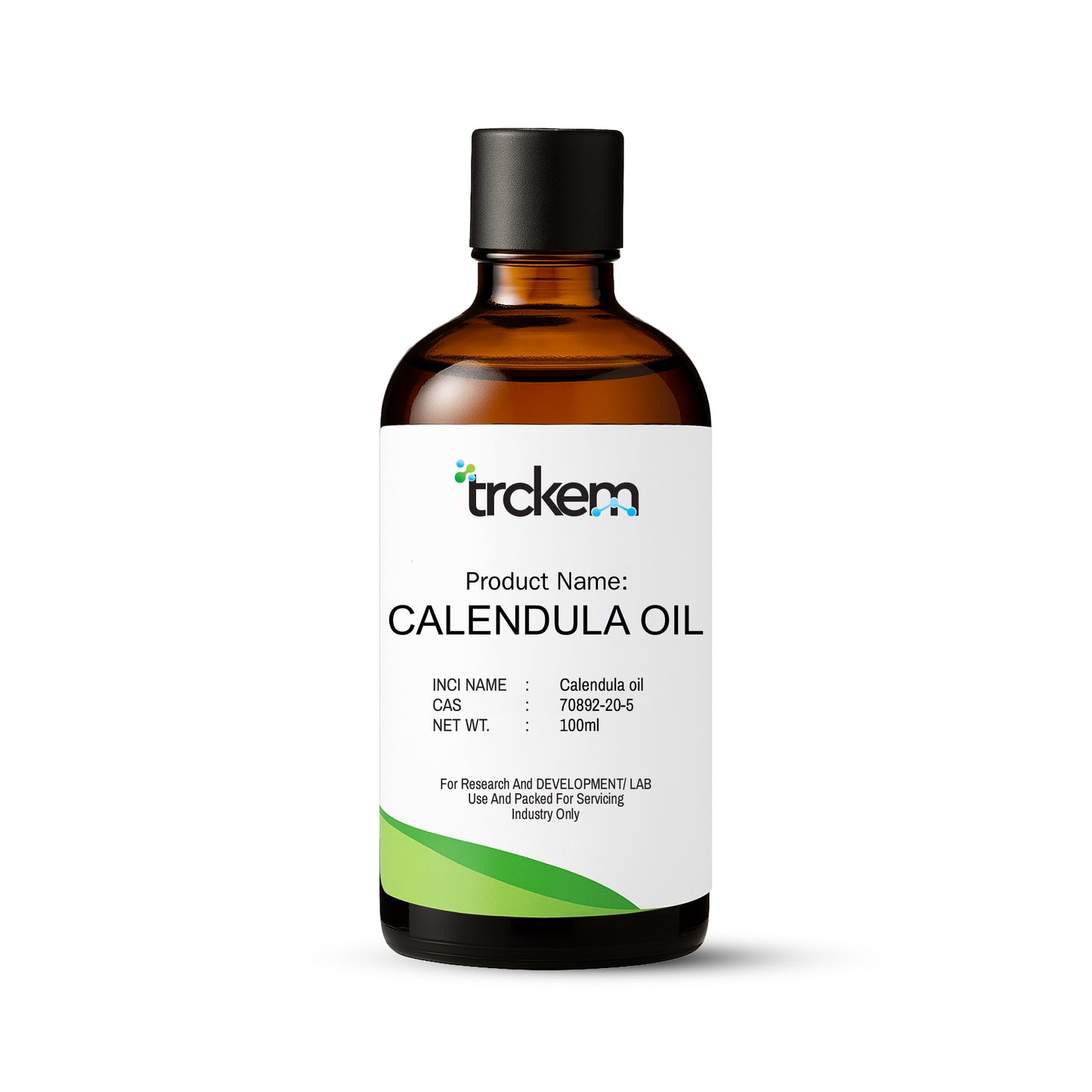
Calendula oil
For Bulk Quantity:📞 8822636416
Couldn't load pickup availability
Calendula Oil is a soothing botanical extract prized for its calming, anti-inflammatory, and skin-conditioning benefits. Rich in antioxidants and essential fatty acids, it helps support skin regeneration, reduces irritation, and promotes hydration. Widely used in creams, serums, balms, and haircare, it is valued for its gentle, natural care properties.
Product Document: Download Now 👇


General Description
Calendula Oil is a natural oil derived from the flowers of the Calendula officinalis plant, also known as marigold. It is typically obtained by infusing dried calendula petals in a carrier oil such as olive oil, sunflower oil, or jojoba oil. Rich in flavonoids, triterpenoids, and antioxidants, Calendula Oil is valued in the cosmetic industry for its soothing, anti-inflammatory, and skin-healing properties. With its gentle nature, it is widely used in formulations designed for sensitive or irritated skin, making it a popular natural active in modern skincare and personal care products.
Uses in the Cosmetics Industry
Calendula Oil is incorporated into various personal care and cosmetic applications for its skin-friendly benefits:
- Moisturizers & Creams: Provides hydration while calming redness and irritation.
- Baby Care Products: Used in lotions, diaper creams, and oils due to its gentle, non-irritating properties.
- After-Sun & Soothing Products: Helps reduce skin discomfort caused by sun exposure or environmental stress.
- Wound Care & Repair Balms: Traditionally used for its healing properties, supporting recovery of minor cuts and dry, cracked skin.
- Hair & Scalp Care: Incorporated into shampoos, conditioners, and scalp oils to soothe irritation and promote a healthy scalp.
- Lip Balms & Body Oils: Provides nourishment and protection against dryness.
Manufacturers often select Calendula Oil for natural, herbal, and organic formulations targeting sensitive skin and eco-conscious consumers.
Hazards
Calendula Oil is generally recognized as safe and well-tolerated in cosmetic use. However, some safety considerations include:
- Skin Sensitivity: Rare cases of allergic reactions, particularly in individuals sensitive to plants in the Asteraceae/Compositae family (e.g., ragweed, daisies).
- Eye Irritation: Direct contact with the eyes may cause mild discomfort.
- Pregnancy Precaution: Limited data exists on concentrated calendula extracts; topical use is generally safe, but caution is advised for sensitive groups.
- Stability: As a natural oil infusion, it may be prone to oxidation; antioxidants (e.g., Vitamin E) are often added to extend shelf life.
Storage & Stability
- Storage: Store in tightly sealed containers in a cool, dry place away from light and heat to prevent rancidity.
- Stability: Shelf life depends on the carrier oil used but typically ranges from 12–24 months. Antioxidants may improve stability.
Calendula Oil is available in bulk and wholesale for use in natural skincare, baby care, and herbal cosmetic formulations where gentle soothing and protective properties are desired.
CAS Number: 84776-23-8
INCI: Calendula Officinalis Flower Oil
Composition:Calendula oil is primarily composed of fatty acids (linoleic acid, oleic acid, palmitic acid, stearic acid), phytosterols, carotenoids, flavonoids, and triterpenoids extracted from Calendula officinalis flowers. It may also contain tocopherols (Vitamin E) in natural form.
Purity Grade: Cosmetic Grade / Pharmaceutical Grade (depending on refining process)
Appearance: Golden yellow to orange liquid with a mild herbal aroma
Solubility:Insoluble in water; soluble in vegetable oils, ethanol, and lipophilic solvents
Preservation:Naturally stable due to antioxidants; however, additional preservation (e.g., Vitamin E) may be recommended to extend shelf life in formulations
Storage:Store in a tightly closed container, protected from light, heat, and air. Keep in a cool, dry place to prevent oxidation and rancidity.
Raw Material Sources:Derived from the flowers of Calendula officinalis (marigold), commonly cultivated in Europe, India, and the Mediterranean region
Manufacture:Produced through cold pressing or solvent extraction of dried calendula flowers, followed by filtration and refining. Often macerated in a carrier oil (such as sunflower or olive oil) to yield Calendula-infused oil.
Animal Testing: Not animal tested
GMO: GMO-free (plant-derived)
Vegan: Plant-based; does not contain animal-derived components
Proposition:Calendula oil complies with EU Cosmetic Regulation, U.S. FDA guidelines, and other international cosmetic ingredient standards.
Warning:For external use only. Avoid contact with eyes. May cause allergic reactions in individuals sensitive to plants in the Asteraceae/Compositae family (e.g., ragweed, daisies, marigolds). Patch testing is recommended before use.
THE STORY OF CALENDULA OIL

Calendula Oil: The Botanical Oil for Calm, Repair & Skin Comfort
Calendula Oil is a soothing, lipid-rich extract made by infusing Calendula (Calendula officinalis) blossoms into a plant carrier oil. Celebrated for its skin-repairing, anti-redness, anti-inflammatory and barrier-strengthening effects, it is widely used in baby care, sensitive-skin creams, healing balms, body oils, and traditional herbal skincare.

Flower Petals Infused into Carrier Oil for Full-Spectrum Actives
Calendula Oil is traditionally produced by slow maceration of dried calendula petals into oils like sunflower, jojoba, olive, or sweet almond. This extraction transfers oil-soluble phyto-compounds such as carotenoids, flavonoids, sterols, and triterpenes into a nourishing skincare oil. TRCkem supplies cosmetic-grade clarified oil with standardized active content and mild natural aroma.

Nourish. Restore. Protect.
Key benefits in skincare & personal care formulas:
✅ Reduces irritation, dryness, and redness
✅ Supports epidermal healing & collagen renewal
✅ Ideal for barrier-repair balms, diaper creams, stretch-mark care
✅ Antioxidant + soothing — perfect for sensitive & post-procedure skin
✅ Natural marketing appeal: herbal, clean, traditional care
Used in: baby lotions, face oils, lip balms, massage oils, ointments, healing salves, sun-care recovery, and body butters.

Skin-Safe, Versatile & Compatible with All Oil Systems
• Typical use level: 1–10% in emulsions, up to 100% in oils & balms
• Oil-soluble, heat-stable, compatible with butters, esters & waxes
• Can be used in anhydrous, emulsified, or hot-pour systems
• Shelf life depends on carrier oil type (sunflower > jojoba >>> olive)
• Fully approved for global cosmetic use; safe for baby & sensitive skin
• Not to be confused with “Calendula Essential Oil” (rare, steam-distilled, high potency)
Formulator’s Queries, We Answered
1. What is Calendula Oil?
Calendula Oil is a natural plant-derived oil obtained from the flowers of Calendula officinalis. Known for its soothing, anti-inflammatory, and skin-healing properties, it is widely used in personal care and cosmetic formulations for sensitive, dry, or irritated skin.
2. What is the CAS Number and INCI Name of Calendula Oil?
CAS Number: 70892-20-5
INCI Name: Calendula Officinalis Flower Oil
3. What are the benefits of using Calendula Oil in personal care products?
Skin Soothing: Helps calm redness, irritation, and sensitivity.
Anti-inflammatory: Supports skin recovery from minor irritations.
Moisturizing: Provides hydration and nourishment for dry skin.
Healing Support: Promotes regeneration of the skin barrier.
Antioxidant-rich: Protects the skin from oxidative stress.
4. What are the common applications of Calendula Oil in personal care?
Facial Creams & Serums: For sensitive or inflamed skin.
Baby Care Products: Gentle enough for delicate skin.
Body Lotions & Balms: Adds hydration and soothing effects.
After-sun Products: Helps reduce redness and discomfort.
Hair Care: Used in shampoos and conditioners to calm scalp irritation.
5. Is Calendula Oil safe for use in personal care products?
Yes, Calendula Oil is considered safe and gentle for topical use in cosmetics. It is especially suitable for sensitive and baby care formulations. However, individuals with allergies to plants in the Asteraceae/Compositae family (e.g., daisies, marigolds) should use it with caution.
6. Can Calendula Oil cause skin irritation?
Calendula Oil is generally non-irritating and well-tolerated, but in rare cases, it may trigger allergic reactions in sensitive individuals. A patch test is recommended before full application.
7. Is Calendula Oil environmentally friendly?
Yes, Calendula Oil is derived from renewable botanical sources and is biodegradable, making it an eco-friendly ingredient in sustainable personal care formulations.