


SKU:LIQ-TRC-TURMERIC-100ML-1
TURMERIC OIL
For Bulk Quantity:📞 8822636416
Couldn't load pickup availability
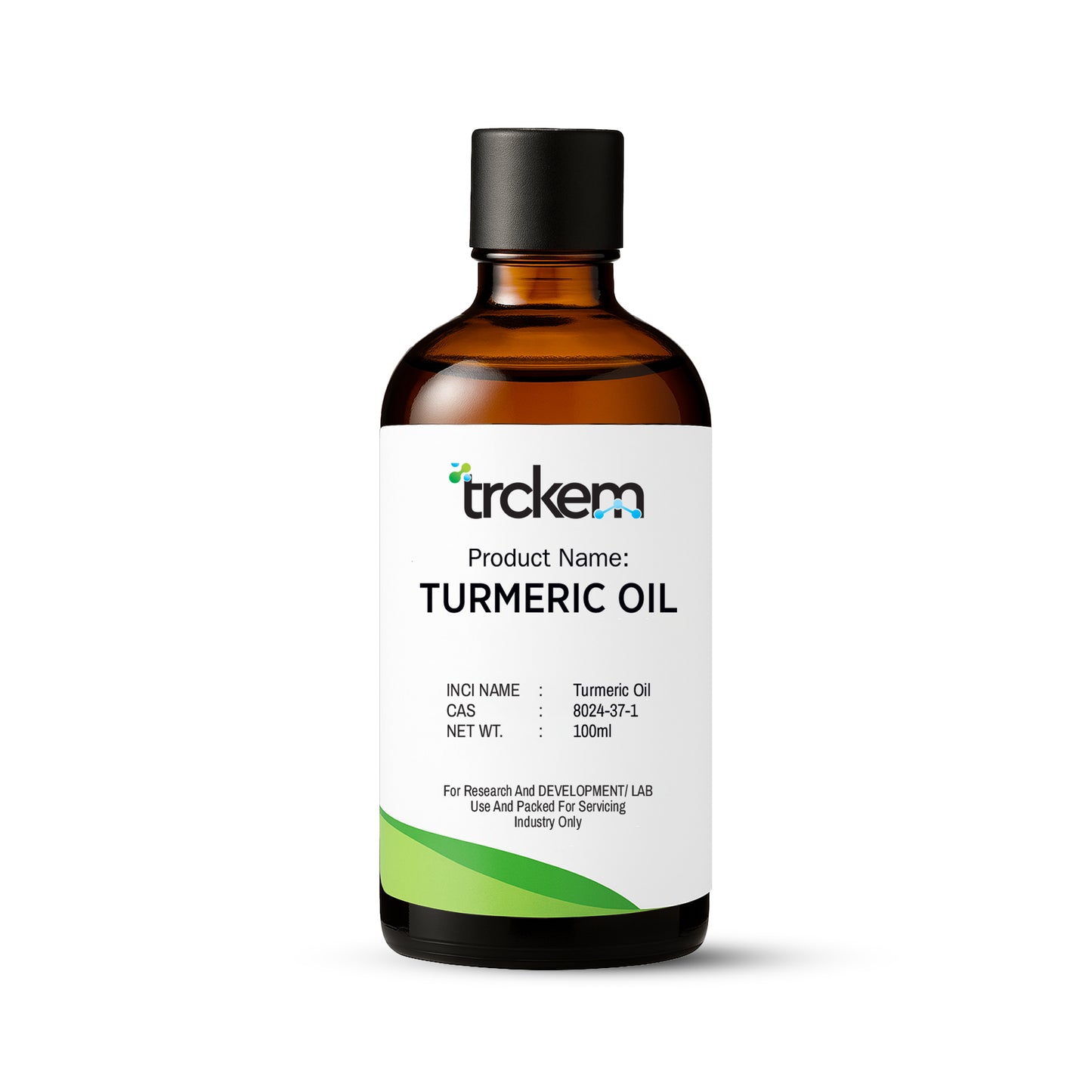
Turmeric Oil is a natural essential oil extracted from the rhizomes of Curcuma longa. Rich in curcumin and turmerones, it offers potent antioxidant, anti-inflammatory, and antimicrobial benefits. Widely used in skincare, haircare, and aromatherapy, it helps brighten the skin, reduce blemishes, and support overall skin health and radiance.
Product Document: Download Now 👇

General Description
Turmeric Oil is a natural essential oil extracted from the rhizomes of Curcuma longa, commonly known as turmeric. Rich in bioactive compounds such as ar-turmerone, curcumene, and zingiberene, this golden-yellow oil is prized for its antioxidant, anti-inflammatory, and antimicrobial properties. In cosmetics, Turmeric Oil is used as a potent skin-conditioning and rejuvenating agent that helps improve complexion, reduce inflammation, and protect the skin from environmental stressors. It is also valued for its warm, earthy aroma and compatibility with both skincare and haircare formulations.
Uses in the Cosmetics Industry
Turmeric Oil is widely used in modern and natural cosmetic formulations for its skin-enhancing and protective benefits. Common applications include:
- Facial Serums & Creams: Helps brighten the skin, reduce pigmentation, and improve overall radiance.
- Anti-Aging Products: Provides antioxidant protection that combats free radical damage and supports youthful-looking skin.
- Acne & Blemish Treatments: Its antibacterial and anti-inflammatory properties help reduce acne-causing bacteria and soothe irritation.
- Body Oils & Massage Blends: Promotes skin elasticity and provides a warm, calming sensation.
- Hair & Scalp Treatments: Nourishes the scalp, reduces dandruff, and enhances hair shine and strength.
- Natural & Ayurvedic Formulations: Commonly incorporated in herbal and holistic skincare lines for its traditional healing benefits.
Manufacturers often purchase Turmeric Oil in bulk for use in natural and luxury beauty formulations where both efficacy and sensory appeal are desired.
Hazards
While Turmeric Oil is natural and generally safe when used correctly, certain precautions should be observed:
- Skin Sensitivity: May cause mild irritation or redness in individuals with sensitive skin if used in high concentrations; always dilute appropriately before topical application.
- Phototoxicity: Typically low risk, but patch testing is recommended prior to use in leave-on formulations.
- Eye Irritation: Direct contact with eyes may cause discomfort or irritation; avoid use in eye-area products.
- Allergic Reactions: Rare, but possible in users with sensitivity to turmeric or other essential oils.
- Staining: Due to its natural pigment, Turmeric Oil may impart a yellowish tint to skin or formulations at high concentrations.
Storage & Stability
- Storage: Store in a cool, dry place away from direct sunlight and heat sources. Keep tightly sealed to prevent oxidation and degradation.
- Stability: Stable under normal conditions; however, oxidation may occur over time, leading to color and aroma changes. Using antioxidants such as Vitamin E can help enhance stability.
Turmeric Oil is available in both bulk and wholesale quantities for cosmetic manufacturers seeking a natural, active ingredient that provides powerful antioxidant and skin-brightening benefits.
CAS Number: 8024-37-1
INCI: Curcuma Longa (Turmeric) Root Oil
Composition:TURMERIC OIL is composed primarily of sesquiterpenes and turmerones, including ar-turmerone, α-turmerone, and β-turmerone. It also contains minor components such as zingiberene and other aromatic compounds that contribute to its characteristic fragrance and biological activity.
Purity Grade: Cosmetic / Pharmaceutical Grade
Appearance: Yellow to orange-yellow clear liquid with a characteristic spicy aroma
Solubility:Insoluble in water; soluble in alcohols, essential oils, and other organic solvents
Preservation:Naturally self-preserving due to antimicrobial properties, but antioxidants such as tocopherol may be added to extend shelf life
Raw Material Sources:Derived from the rhizomes of Curcuma longa (turmeric) plant
Manufacture:Produced by steam distillation or CO₂ extraction of dried turmeric rhizomes. The process ensures retention of volatile aromatic compounds and high purity of essential oil components.
Animal Testing: Not animal tested
GMO: GMO-free (derived from natural plant sources)
Vegan: Does not contain animal-derived ingredients
Proposition:TURMERIC OIL complies with IFRA guidelines, EU Cosmetic Regulation (EC) No. 1223/2009, and other international cosmetic safety standards.
Warning:For external use only. Avoid direct contact with eyes and mucous membranes. May cause skin sensitization in rare cases; perform a patch test before use. Store in a cool, dark place away from heat and direct sunlight. Use proper protective equipment when handling concentrated oil.
Formulator’s Queries, We Answered
1. What is Turmeric Oil?
Turmeric Oil is a natural essential oil extracted from the rhizomes of the Curcuma longa plant. It is rich in bioactive compounds such as turmerone, ar-turmerone, and curcumin, which are known for their anti-inflammatory, antioxidant, and antimicrobial properties. In the personal care industry, Turmeric Oil is widely valued for its skin-brightening, healing, and rejuvenating benefits.
2. What is the CAS Number and INCI Name of Turmeric Oil?
CAS Number: 8024-37-1
INCI Name: Curcuma Longa (Turmeric) Root Oil
3. What are the benefits of using Turmeric Oil in personal care products?
Antioxidant Protection: Neutralizes free radicals and helps reduce signs of aging.
Anti-inflammatory Action: Soothes irritation and redness, making it ideal for sensitive skin.
Skin Brightening: Promotes an even skin tone and reduces the appearance of dark spots.
Antimicrobial Properties: Helps combat acne-causing bacteria and supports clear skin.
Healing Support: Encourages skin repair and rejuvenation for a healthy, radiant complexion.
4. What are the common applications of Turmeric Oil in personal care?
Facial Serums and Creams: For anti-aging, brightening, and antioxidant effects.
Cleansers and Toners: Helps purify skin and reduce blemishes.
Body Oils and Lotions: Provides nourishment and enhances skin glow.
Hair Care Products: Used in scalp treatments and anti-dandruff formulations.
Aromatherapy and Massage Oils: Promotes relaxation and skin wellness.
5. Is Turmeric Oil safe for use in personal care products?
Yes, Turmeric Oil is generally recognized as safe for topical use when used at appropriate concentrations. It is non-toxic and suitable for most skin types. However, it should be diluted properly before application, as concentrated essential oils can cause sensitivity in some individuals.