


SKU:SOL-TRC-SOD-300G
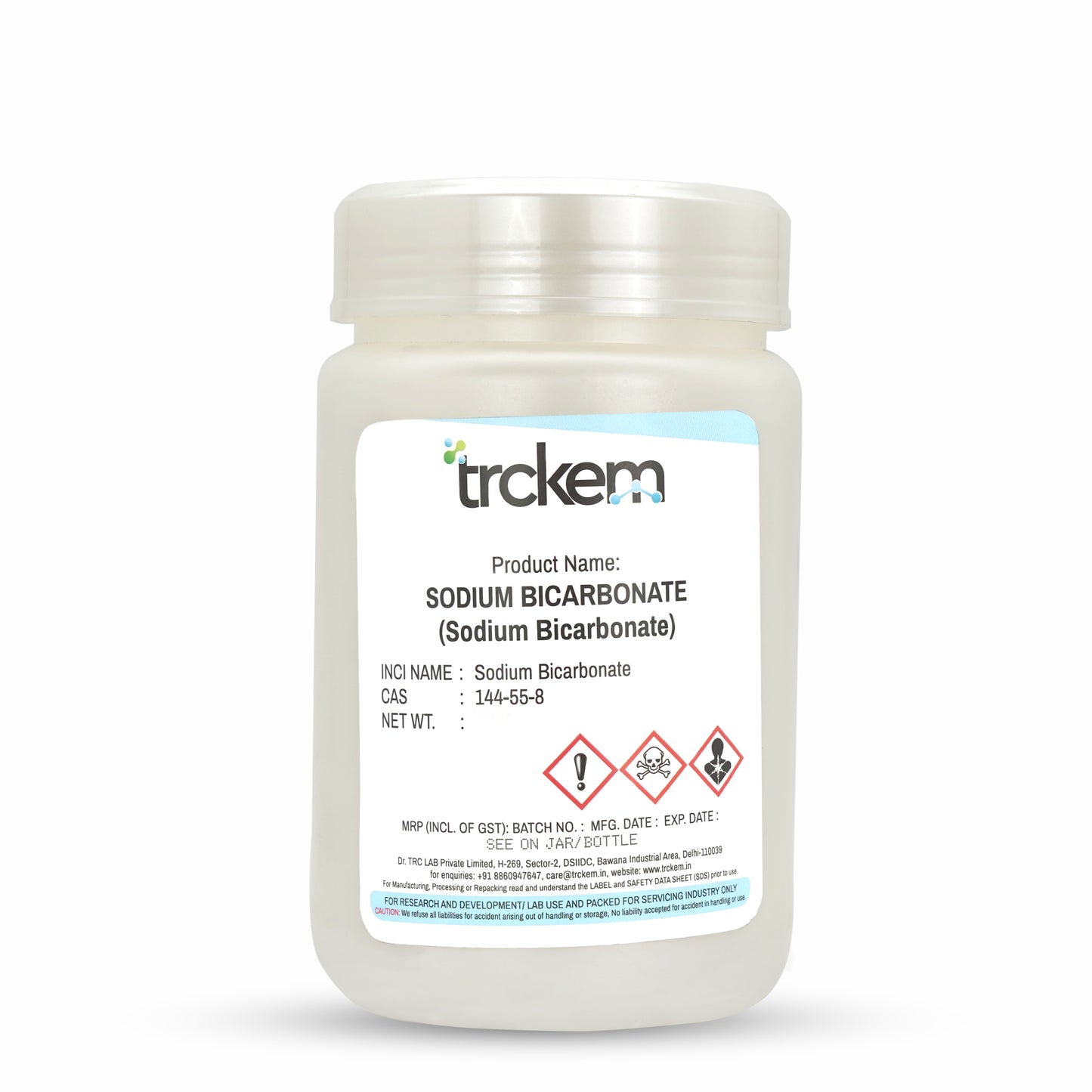
SODIUM BICARBONATE
For Bulk Quantity:📞 8822636416
Couldn't load pickup availability
Sodium bicarbonate, also known as baking soda, is a white, crystalline powder with the chemical formula NaHCO3. It is commonly used in baking, cooking, cleaning, and various industrial processes.
Product Document: Download Now 👇

General Description:
Sodium bicarbonate, commonly known as baking soda, is a chemical compound with the formula NaHCO3. It appears as a white, crystalline powder that is odorless and soluble in water. Sodium bicarbonate is versatile and used in various applications, including household products and cosmetics.
Uses in the Cosmetic Industry:
Sodium bicarbonate serves several purposes in cosmetics:
- Exfoliant: It is used as a mild exfoliating agent in skincare products such as scrubs and masks. Sodium bicarbonate helps to remove dead skin cells, leaving the skin smooth and refreshed.
- pH Adjuster: Sodium bicarbonate is used as a pH adjuster to stabilize and maintain the acidity or alkalinity of cosmetic products within the desired range. It can neutralize acids and regulate the pH of formulations.
- Deodorizer: Due to its ability to neutralize odors, sodium bicarbonate is used in deodorants and foot powders to absorb moisture and reduce unpleasant smells.
- Antiseptic: It has mild antiseptic properties that can help cleanse and soothe the skin, making it useful in bath products and cleansers.
- Hair Care: Sodium bicarbonate is occasionally used in hair care products to clarify and remove buildup from styling products and impurities, leaving hair clean and shiny.
Hazard:
While generally considered safe for cosmetic use, there are some considerations regarding the use of sodium bicarbonate:
- Skin Irritation: Sodium bicarbonate can be abrasive and may cause irritation, especially in sensitive skin or when used in high concentrations. It is advisable to use products containing sodium bicarbonate as directed and to perform a patch test if you have sensitive skin.
- Eye Irritation: Direct contact with sodium bicarbonate powder or solutions can irritate the eyes. Safety precautions should be taken during handling to avoid eye exposure.
- Dryness: Sodium bicarbonate can have a drying effect on the skin and hair, particularly in individuals with dry skin or hair. Moisturizing products may be needed after use to maintain hydration.
- Environmental Impact: Sodium bicarbonate is biodegradable and generally considered environmentally friendly. However, excessive disposal into water bodies can affect pH levels and aquatic life.
- Regulatory Compliance: Cosmetic-grade sodium bicarbonate must comply with regulatory standards set by authorities such as the FDA in the United States and the European Commission. Maximum allowable concentrations and purity levels are specified to ensure consumer safety.
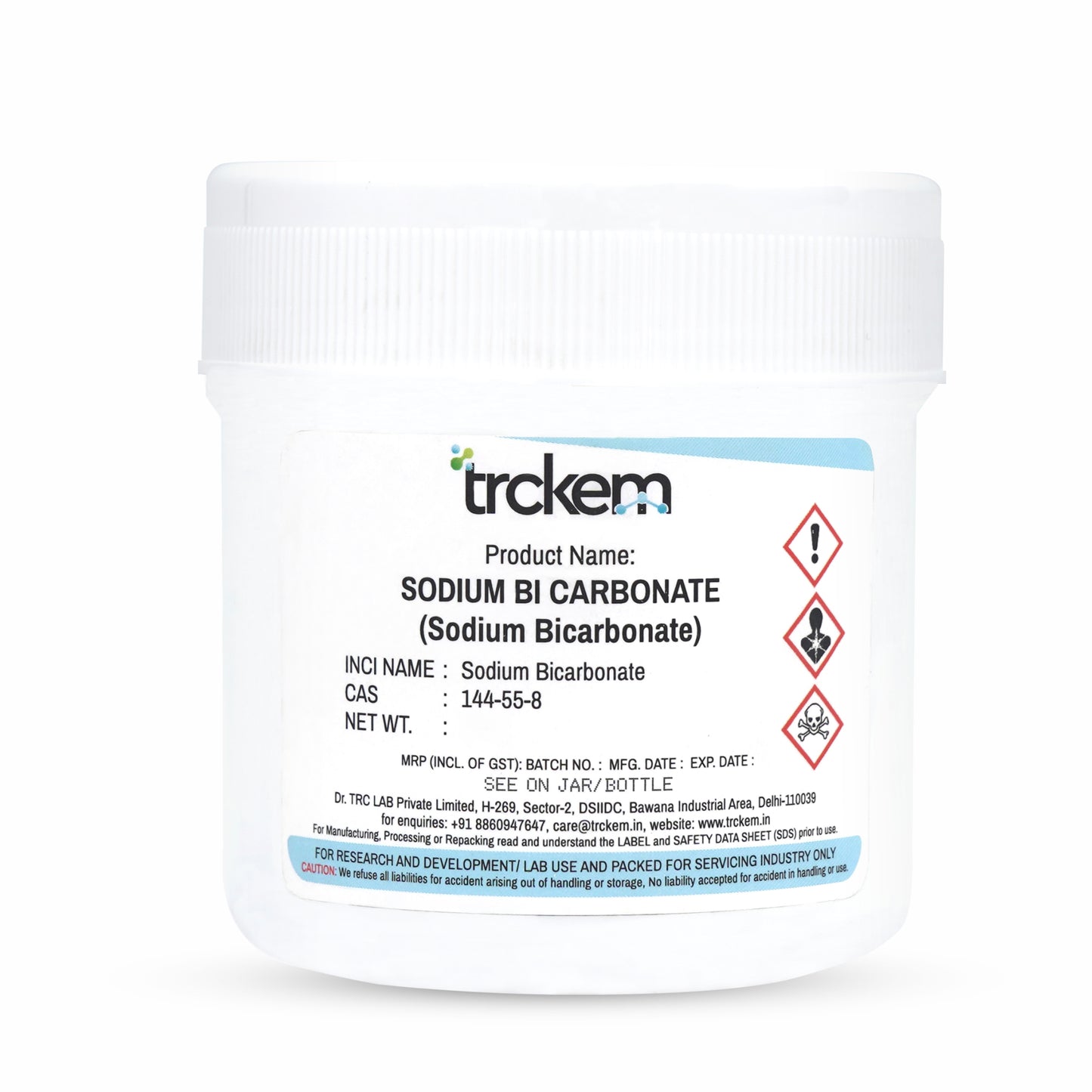
CAS Number : 144-55-8
INCI: Sodium Bicarbonate
Composition: Sodium bicarbonate consists of sodium ions (Na+) and bicarbonate ions (HCO3-).
Purity Grade: No purity grade applicable
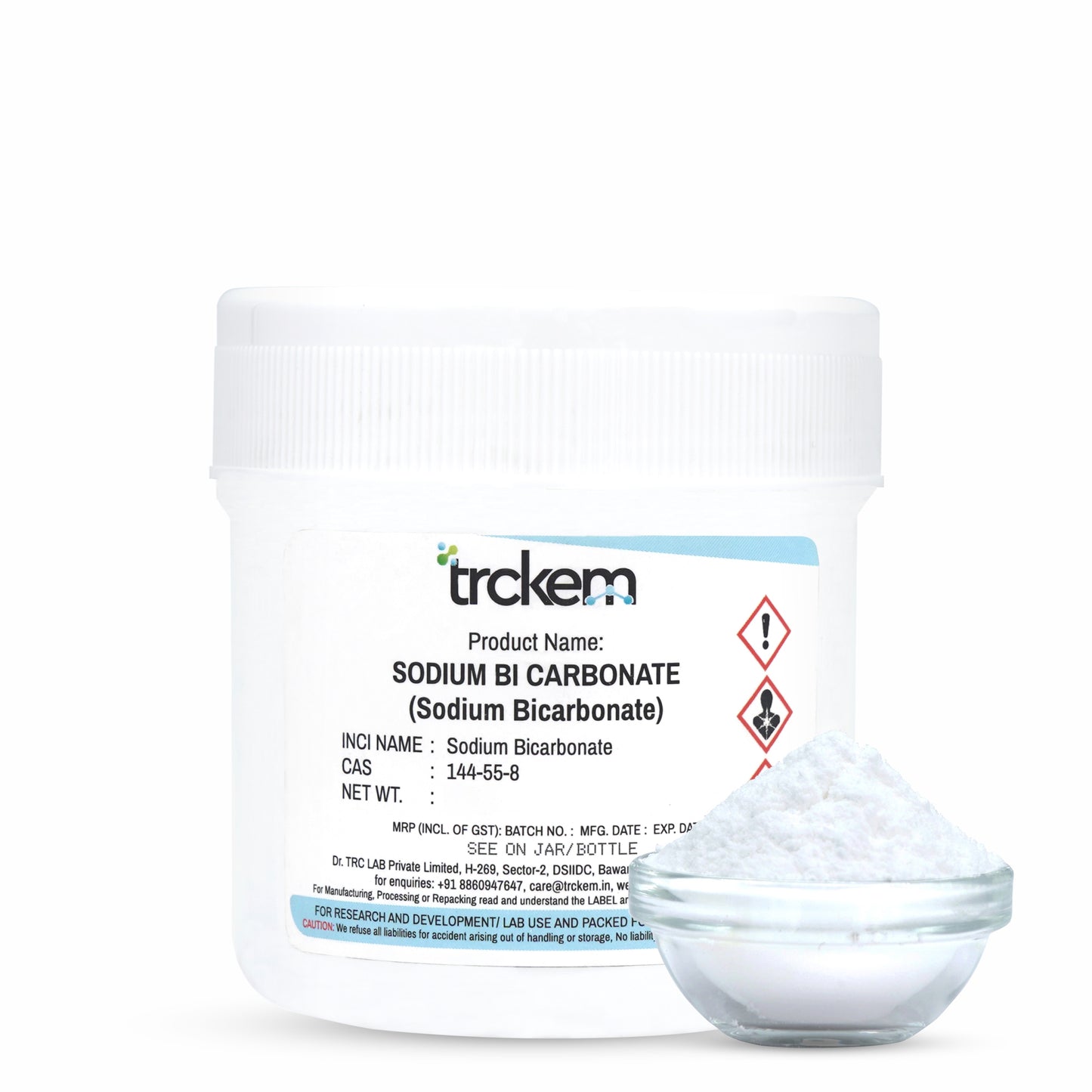
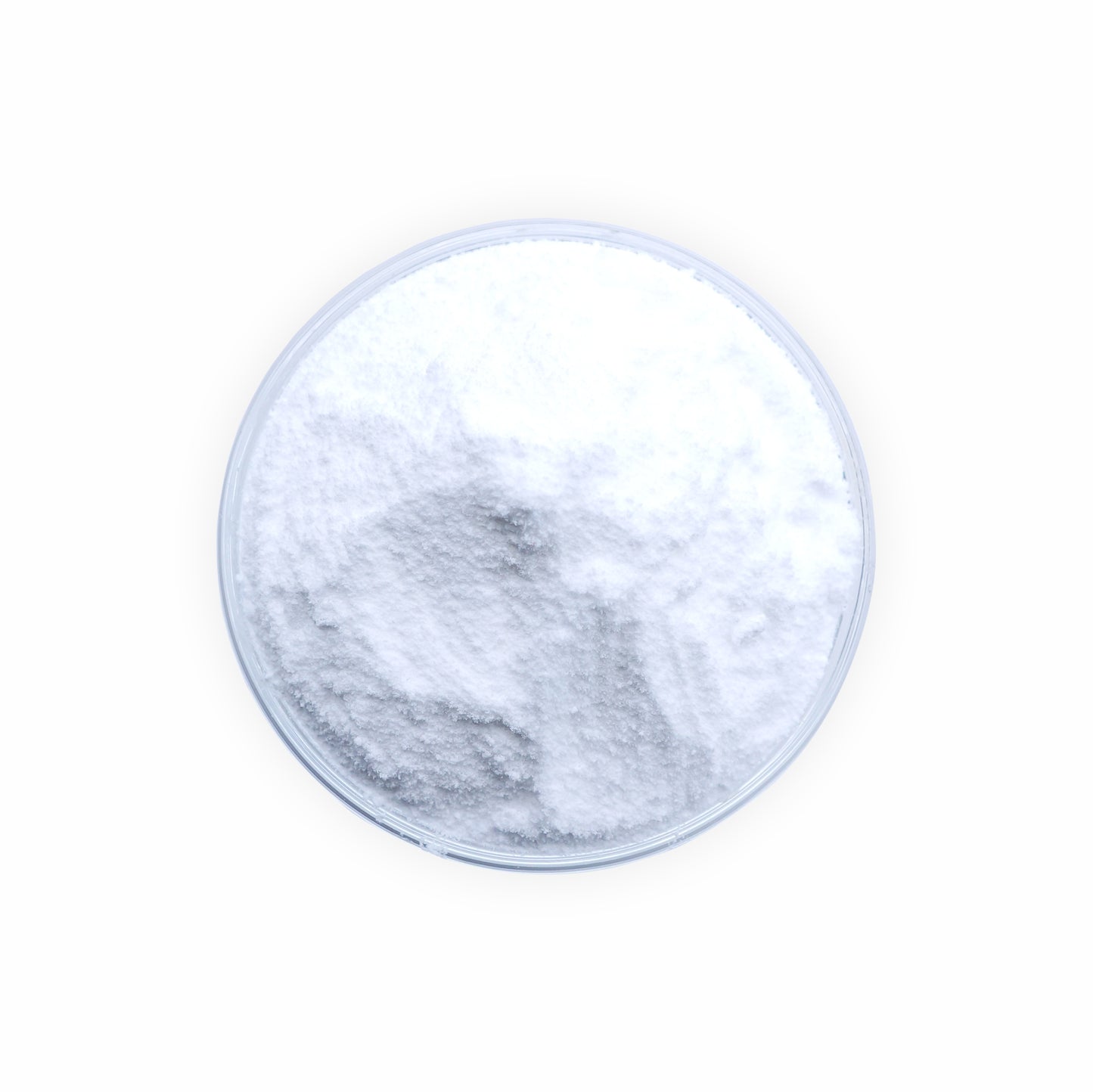
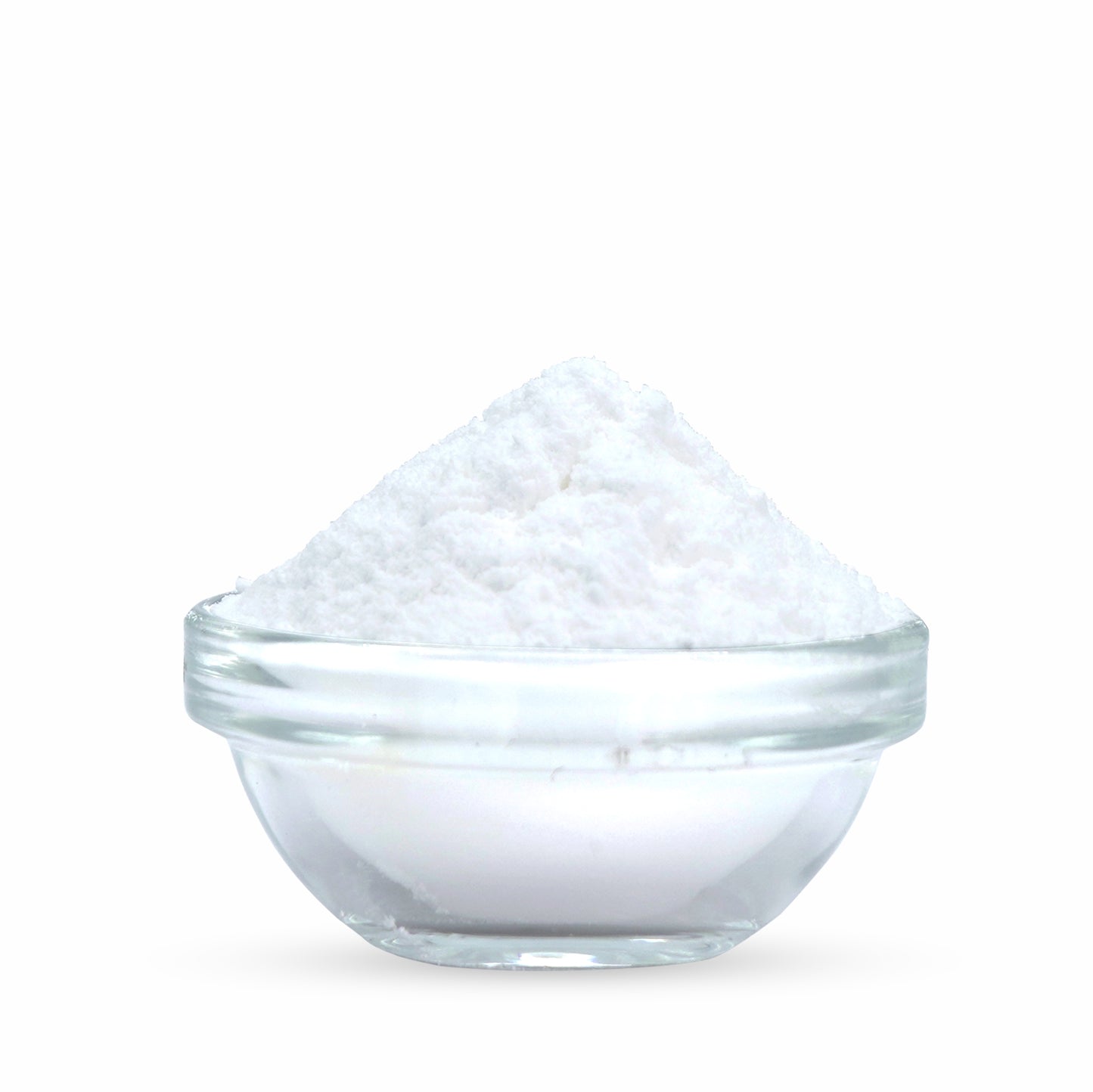
Appearance: Sodium bicarbonate appears as a white, odorless, crystalline powder.
Solubility: Sodium bicarbonate is moderately soluble in water at room temperature. However, its solubility increases with temperature. It is practically insoluble in organic solvents.
Preservation : Sodium bicarbonate does not require special preservation. It should be stored in a dry environment to prevent clumping and caking.
Storage: Store in a closed container at a dry place at room temperature
Raw Material Source : Sodium bicarbonate can be mined from natural deposits known as nahcolite or produced synthetically through the Solvay process, which involves reacting sodium chloride, ammonia, and carbon dioxide..
Manufacture: Sodium bicarbonate can be manufactured through the Solvay process, which involves the reaction of sodium chloride (salt), ammonia, and carbon dioxide to produce sodium bicarbonate along with other byproducts. Alternatively, it can be mined from naturally occurring nahcolite deposits.
Animal Testing: Not animal tested
GMO: GMO-free (does not contain plant-derived components)
Vegan: Does not contain animal-derived components
Proposition: SODIUM BICARBONATE complies with relevant regulations and guidelines
Warning : Avoid contact with eyes. In case of contact, rinse thoroughly with water. Use appropriate protective equipment when handling. Keep out of reach of children.
Formulator’s Queries, We Answered
1. What is Sodium Bicarbonate (INCI name) and what is its CAS number?
INCI name: Sodium Bicarbonate
CAS number: 144-55-8
Also known as sodium hydrogen carbonate or baking soda; chemical formula: NaHCO₃
2. What functions does Sodium Bicarbonate perform in personal care and cosmetic products?
Acts as a buffering / pH-regulating agent, helping to maintain or adjust the acidity/alkalinity of formulations.
Functions as a mild abrasive or exfoliating agent, often used in scrubs, toothpastes or cleansing products.
Used as a deodorant / odor-neutralizing agent or as part of deodorant and body-care formulations.
Helps in oral care (e.g. toothpaste, mouthwash) due to its abrasive and acid-neutralizing properties.
3. In what types of personal-care and cosmetic products is Sodium Bicarbonate commonly used?
Common application areas include:
- Toothpastes and mouthwashes (oral care)
- Deodorants and antiperspirants (or natural deodorant formulations)
- Body scrubs, facial scrubs, exfoliating cleansers, soaps and shower products
- Skin care creams, lotions, and cleansers — especially where buffering or mild exfoliation is desired
4. What are the potential benefits of using Sodium Bicarbonate in cosmetic formulations?
Gentle removal of dead skin cells (mild exfoliation), helping to smooth and refresh skin.
Neutralization or regulation of pH — which can make formulations milder on skin or stabilize the ingredients.
Odor neutralization or deodorizing effect — useful in deodorants or hygiene products.
In oral care, helps in mechanical cleaning of teeth and gums, neutralizing acid in the mouth, and supporting oral hygiene
5. Are there any safety or formulation considerations when using Sodium Bicarbonate?
Generally, Sodium Bicarbonate is not classified as a hazardous substance under many regulatory frameworks.
However, it may cause mild skin irritation or mild eye irritation, especially in concentrated form or on sensitive skin.
As an abrasive or exfoliant, overuse (too high concentration or frequent use) may be too harsh for sensitive skin — formulation and use frequency must be balanced.
When used in cleansing or rinse-off products, ensure proper rinsing to avoid residue.