


SKU:SOL-TRC-SHE-300G
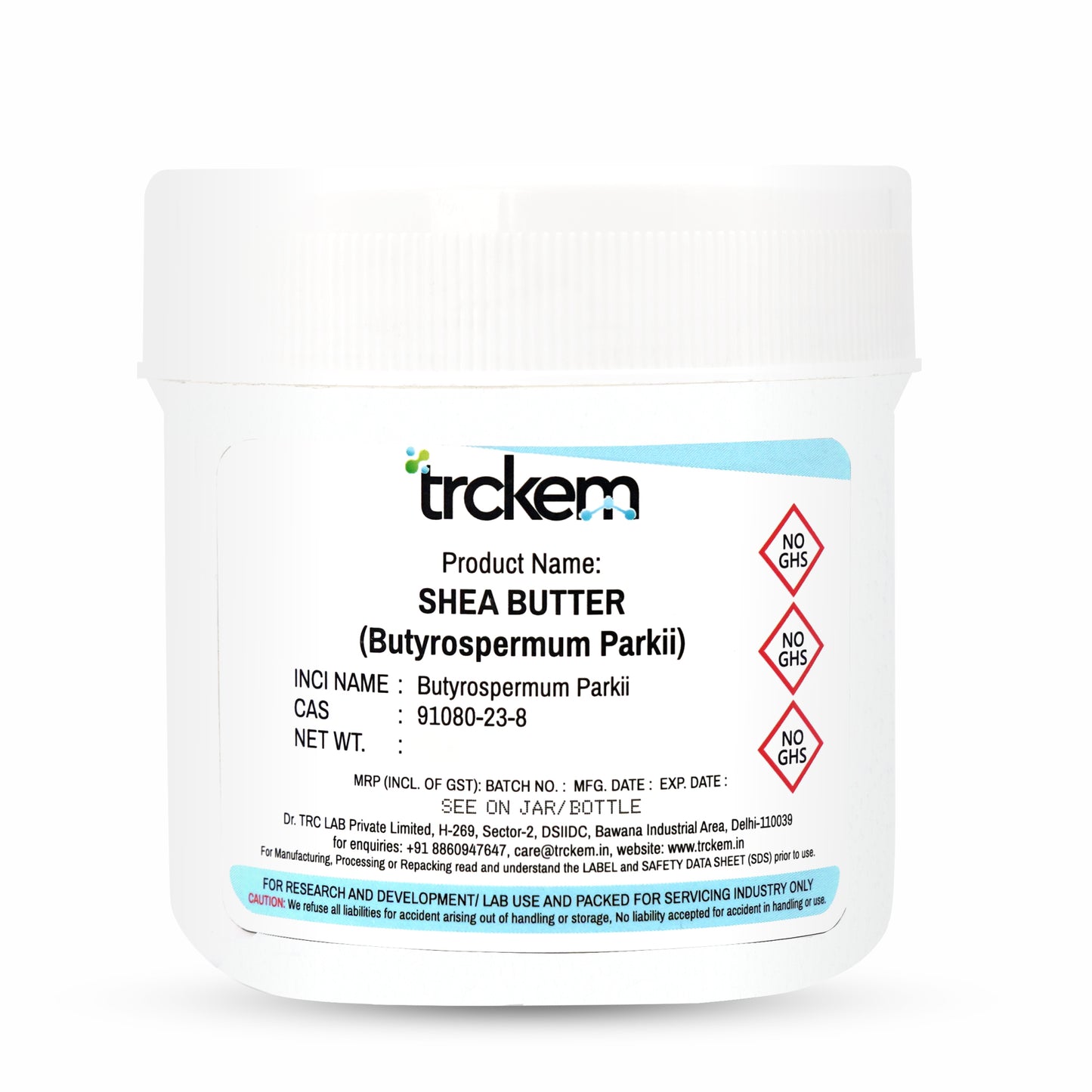
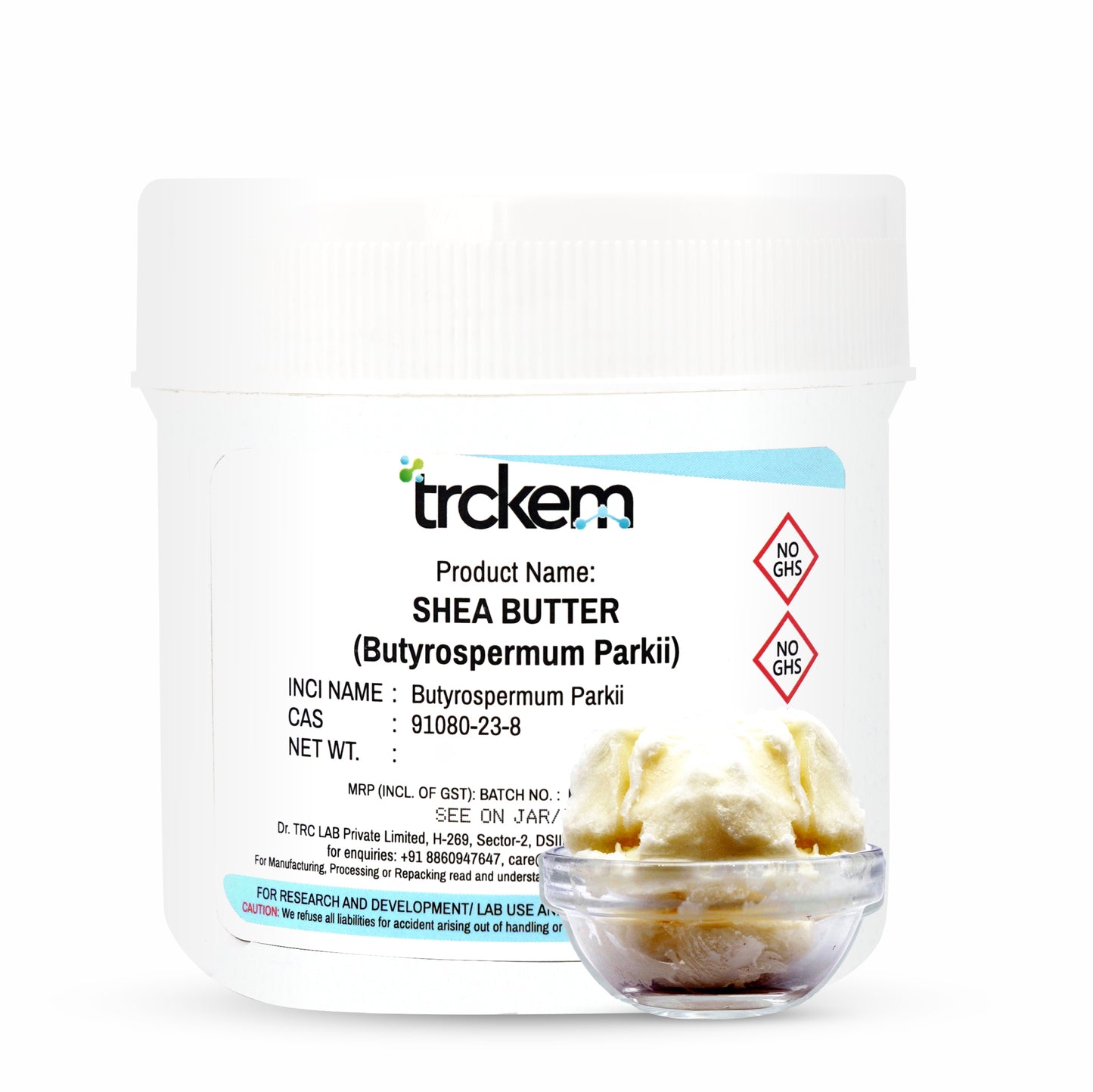
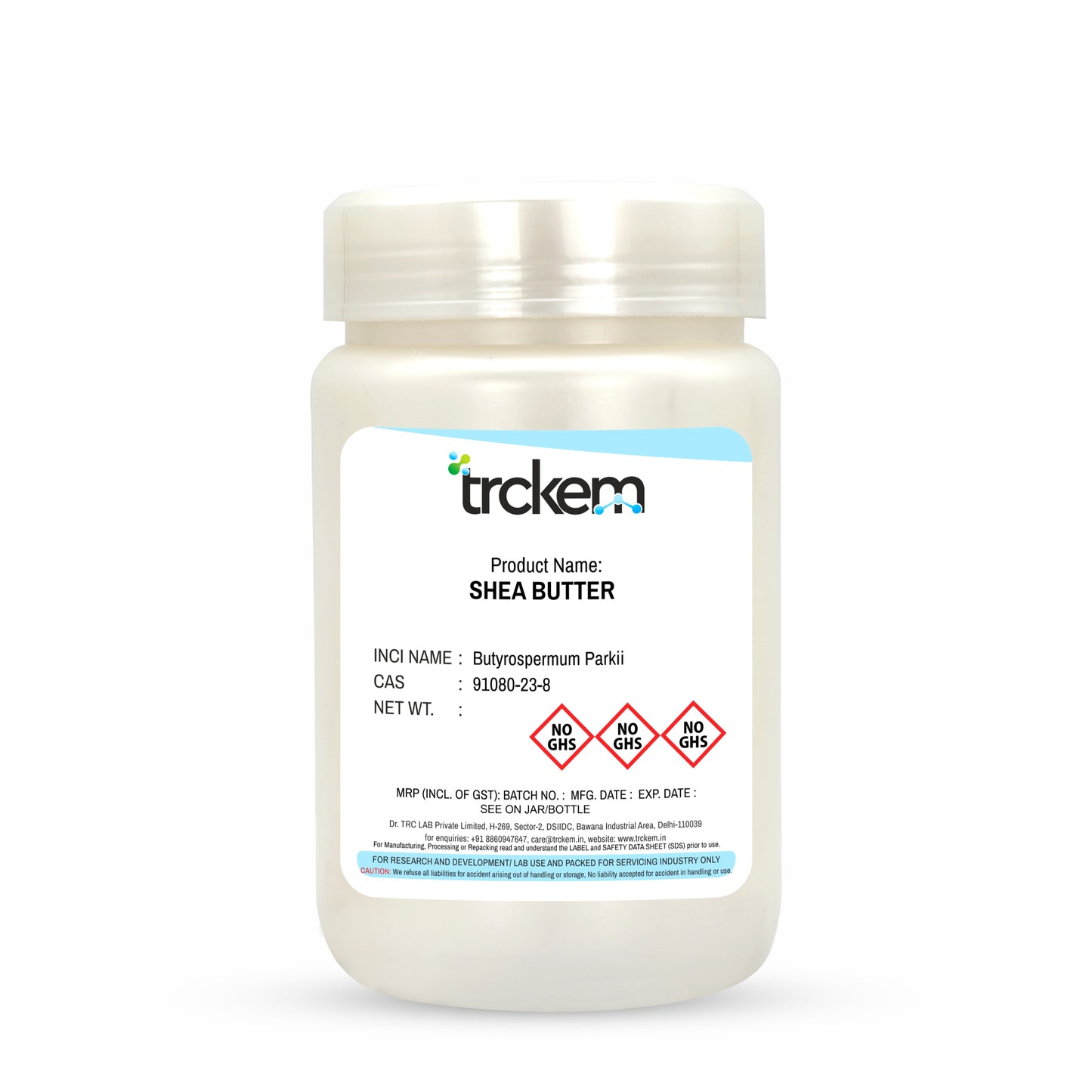
SHEA BUTTER
For Bulk Quantity:📞 8822636416
Couldn't load pickup availability
Butyrospermum Parkii, commonly known as Shea Butter, is a natural fat extracted from the nuts of the African shea tree. It is renowned for its rich moisturizing properties and has been used for centuries in skincare and haircare products.
Product Document: Download Now 👇

General Description
Shea Butter is a luxurious, nutrient-rich fat extracted from the nuts of the shea tree. Renowned for its deep moisturizing, soothing, and skin-nourishing properties, shea butter is a key ingredient in the cosmetic, skincare, and haircare industries. Packed with essential fatty acids and vitamins A, E, and F, it helps protect and repair the skin. Available for bulk purchase, wholesale supply, and private label manufacturing, shea butter is a must-have for cosmetic manufacturers looking to create high-quality beauty formulations.
Uses in the Cosmetics Industry
Shea butter is widely used in various personal care products, including:
✔ Moisturizers & Body Lotions – Deeply hydrates and repairs dry skin.
✔ Lip Balms & Chapsticks – Provides long-lasting moisture and protection.
✔ Hair Masks & Conditioners – Nourishes the scalp, reduces frizz, and promotes shine.
✔ Hand & Foot Creams – Softens rough skin and heals cracks.
✔ Soap & Body Washes – Enhances skin-conditioning properties for a luxurious feel.
Side Effects & Hazards
While shea butter is generally safe and well-tolerated, some considerations include:
⚠ Potential Allergic Reactions – Rare cases of nut allergies may cause sensitivity.
⚠ Pore-Clogging in Oily Skin – Heavier formulations may lead to breakouts for acne-prone individuals.
⚠ Storage Considerations – Can become grainy if exposed to fluctuating temperatures.
CAS Number : 194043-92-0
INCI: Butyrospermum Parkii
Composition: Shea Butter is composed primarily of triglycerides, with oleic, stearic, linoleic, and palmitic acids being the major fatty acids present. It also contains vitamins A and E, as well as various other natural compounds that contribute to its nourishing and protective properties.
Purity Grade: No purity grade applicable
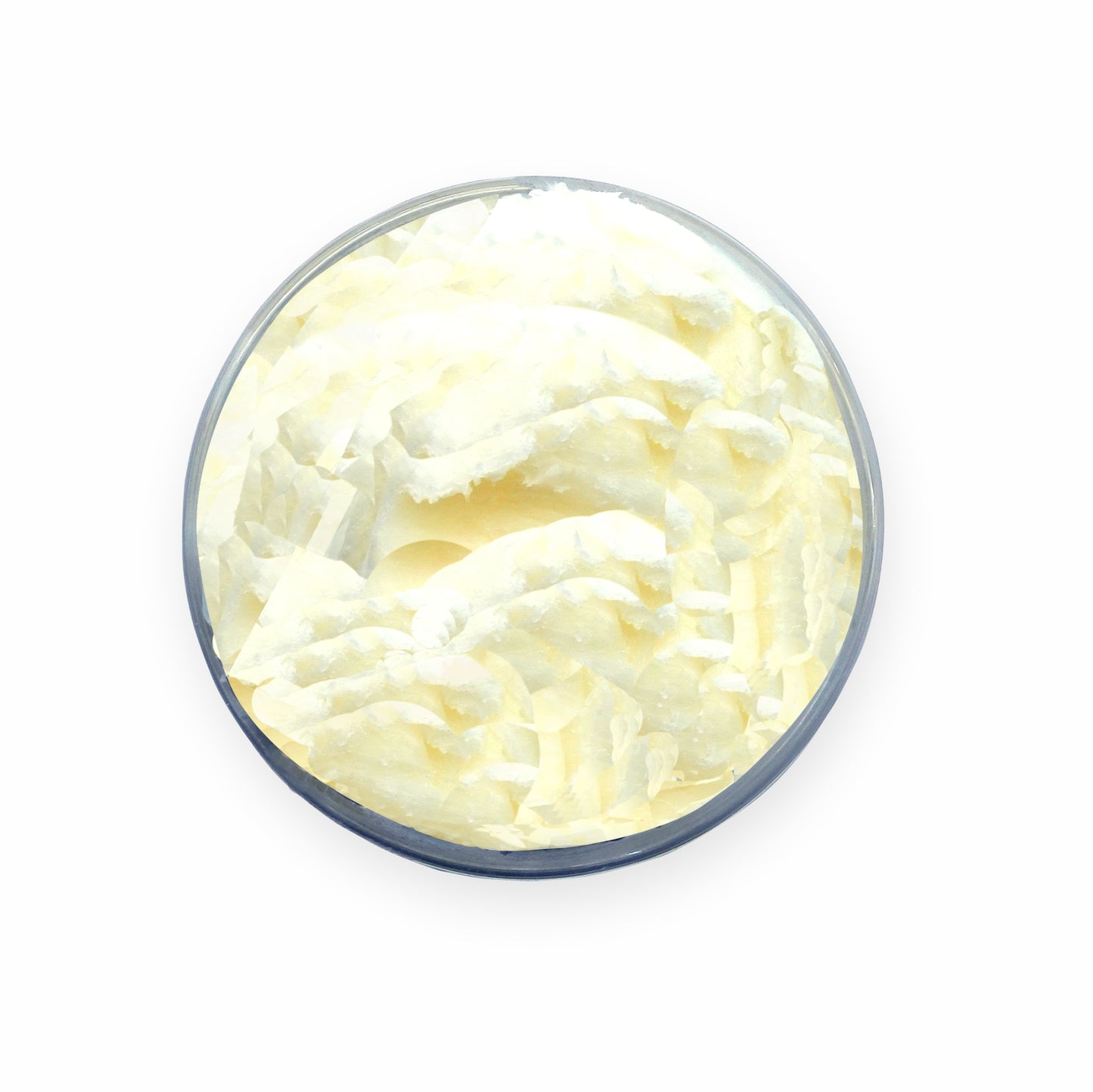
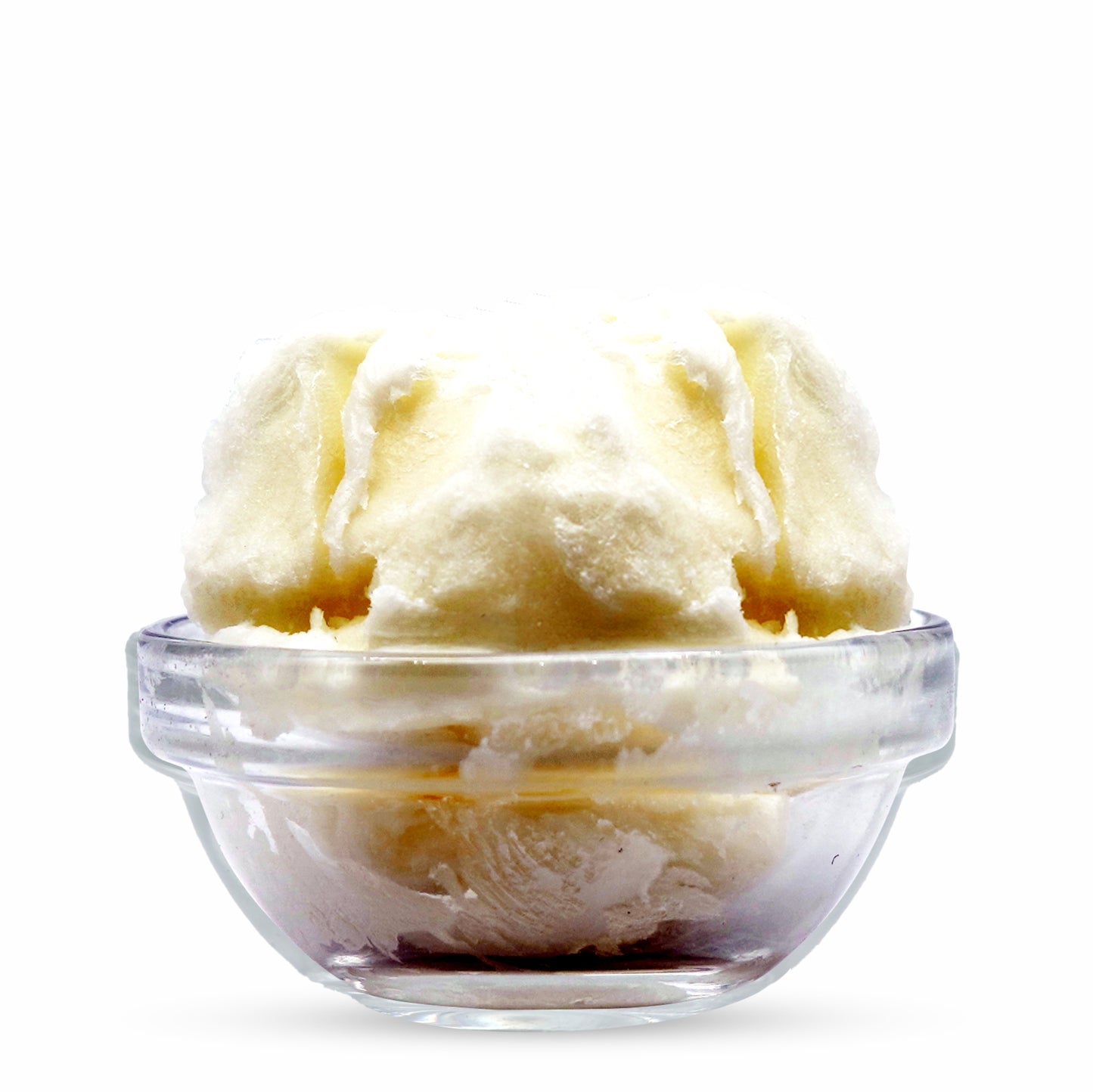
Appearance: Shea Butter typically appears as a creamy, off-white to yellowish solid at room temperature, with a smooth texture.
Solubility: Insoluble in water, soluble in oils and organic solvents.
Storage: Store in a closed container at a dry place at room temperature
Raw Material Source : Shea butter is derived from the nuts of the African shea tree
Manufacture: Shea butter is traditionally produced through a process of crushing, roasting, grinding, and kneading the shea nuts to extract the fat. The fat is then boiled to separate the butter, which solidifies upon cooling. Modern methods may involve mechanical extraction or solvent extraction followed by refining to produce a pure, high-quality shea butter.
Animal Testing: Not animal tested
GMO: GMO-free (does not contain plant-derived components)
Vegan: Does not contain animal-derived components
Proposition: SHEA BUTTER complies with relevant regulations and guidelines
Warning : Avoid contact with eyes. In case of contact, rinse thoroughly with water. Use appropriate protective equipment when handling. Keep out of reach of children.
Formulator’s Queries, We Answered
1. What is Shea Butter?
Shea Butter is a natural fat extracted from the nuts of the Shea tree (Vitellaria paradoxa). It is widely used in personal care and cosmetic formulations for its moisturizing, nourishing, and skin-conditioning properties.
2. What is the CAS Number and INCI Name of Shea Butter?
CAS Number: 91080-23-8
INCI Name: Butyrospermum Parkii (Shea) Butter
3. What are the benefits of Shea Butter in personal care products?
Shea Butter offers multiple benefits, including:
- Deep Moisturization: Helps retain skin moisture and prevent dryness.
- Skin Soothing Properties: Reduces redness, irritation, and inflammation.
- Anti-Aging Effects: Rich in vitamins A and E, promoting skin elasticity.
- Natural Healing: Helps with minor wounds, burns, and stretch marks.
- Hair Nourishment: Softens and conditions hair, preventing breakage.
4. In which personal care products is Shea Butter commonly used?
Shea Butter is a key ingredient in:
- Skincare products (lotions, creams, balms, body butters)
- Haircare products (shampoos, conditioners, hair masks)
- Lip care (lip balms, lipsticks)
- Baby care products (diaper creams, gentle moisturizers)
- Sunscreens and after-sun lotions
5. Is Shea Butter safe for all skin types?
Yes, Shea Butter is generally well-tolerated by all skin types, including sensitive and acne-prone skin. However, individuals with nut allergies should perform a patch test before use.
6. Can Shea Butter be used in organic and natural formulations?
Yes, Shea Butter is widely used in natural and organic cosmetic formulations, especially when it is raw, unrefined, and certified organic.
7. What is the recommended concentration of Shea Butter in cosmetic formulations?
The recommended concentration varies by product type but typically ranges from 2% to 20% in personal care formulations.
8. Does Shea Butter clog pores?
No, Shea Butter is non-comedogenic, meaning it does not clog pores. It is often used in formulations for acne-prone and sensitive skin.
9. What is the shelf life of Shea Butter?
Shea Butter typically has a shelf life of 2 to 3 years when stored properly in a cool, dry place away from direct sunlight.
10. How should Shea Butter be stored?
Store Shea Butter in an airtight container in a cool, dry environment to prevent oxidation and maintain its texture and efficacy.