


SKU:SOL-TRC-PARAFFIN-300G
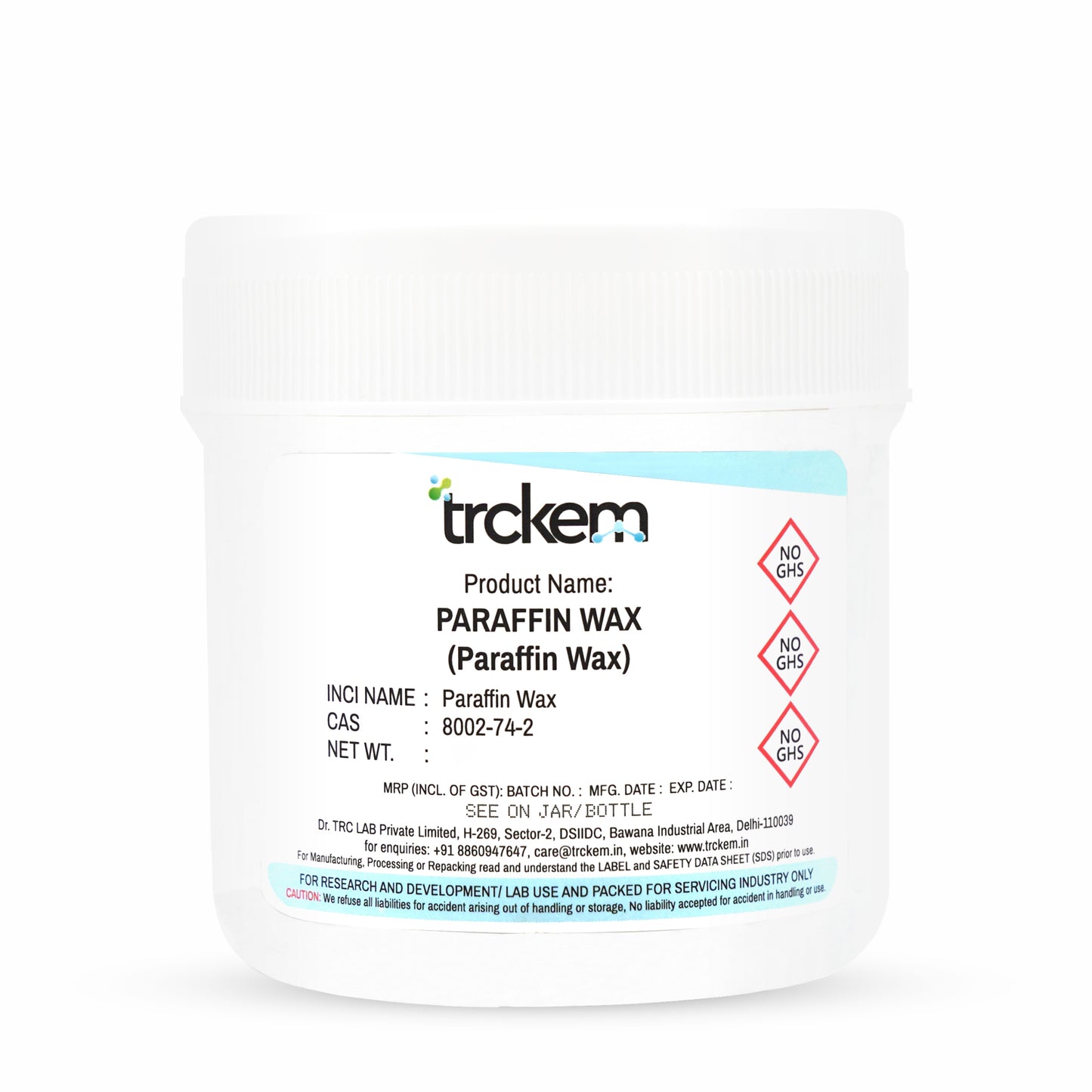
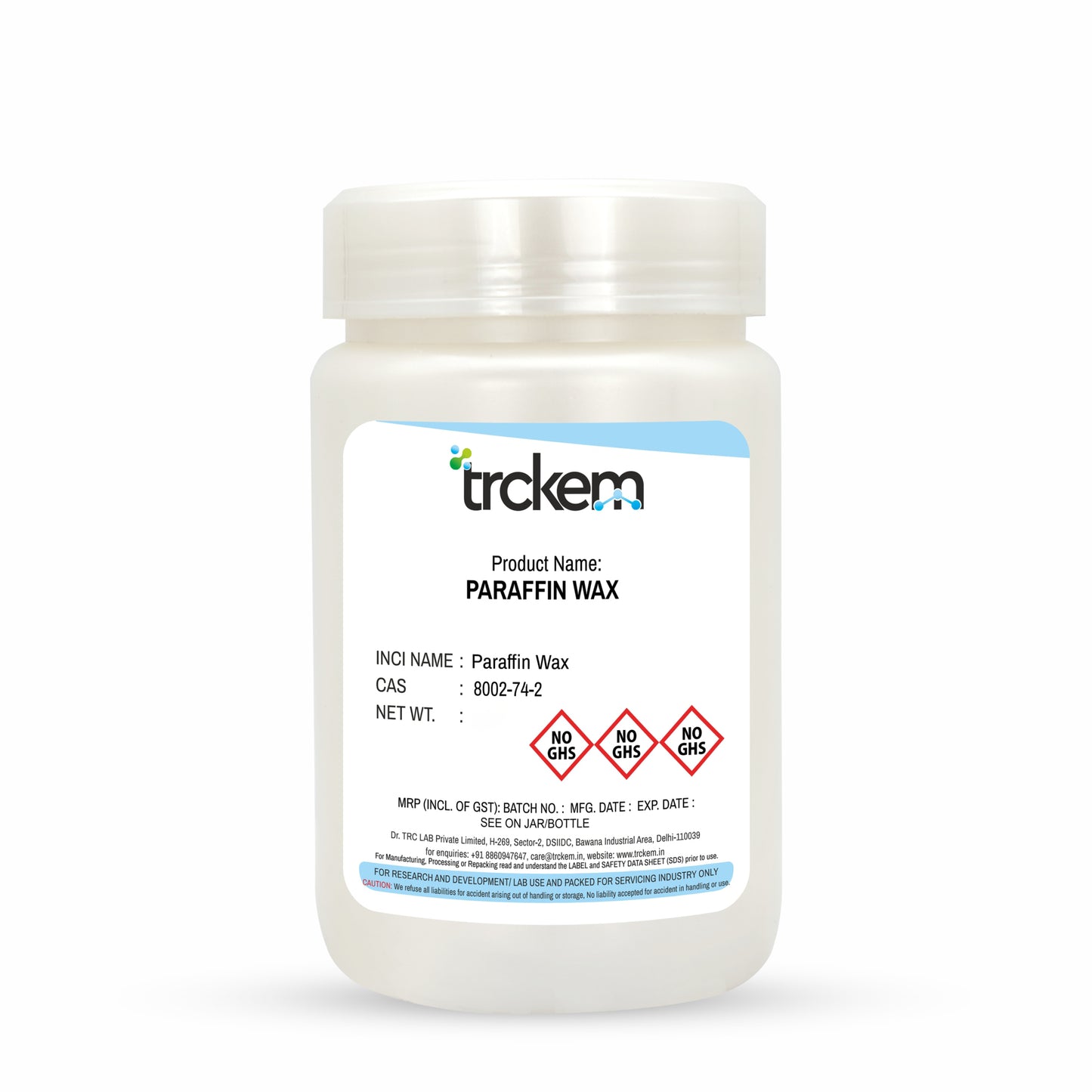
PARAFFIN WAX
For Bulk Quantity:📞 8822636416
Couldn't load pickup availability
Paraffin wax is a type of hydrocarbon wax derived from petroleum. It is commonly used in various industries including cosmetics, pharmaceuticals, and candle making for its low melting point, stability, and water resistance.
Product Document: Download Now 👇

General Description
Paraffin Wax is a highly refined, odorless, and colorless wax derived from petroleum. Known for its excellent emollient properties, it is widely used in the cosmetic, skincare, and personal care industries to provide hydration, skin protection, and product stability. Paraffin wax is a key ingredient in various beauty formulations, offering a smooth, luxurious texture. Available for bulk purchase, wholesale supply, and private label manufacturing, it is a preferred choice for cosmetic manufacturers.
Uses in the Cosmetics Industry
Paraffin wax is a versatile ingredient found in numerous beauty and skincare products, including:
✔ Hand & Foot Treatments – Softens and deeply hydrates dry, cracked skin.
✔ Moisturizing Creams & Lotions – Acts as a protective barrier to lock in moisture.
✔ Lip Balms & Lipsticks – Enhances texture and provides a smooth application.
✔ Hair Removal Waxes – Used in depilatory wax formulations for efficient hair removal.
✔ Massage & Spa Treatments – Ideal for warm paraffin therapy to soothe sore muscles and joints.
Side Effects & Hazards
While paraffin wax is generally safe, some potential concerns include:
⚠ Skin Sensitivity – May cause irritation or redness in individuals with sensitive skin.
⚠ Comedogenic Risk – Heavy application may clog pores, especially for acne-prone skin.
⚠ Overheating Burns – Improper heating in spa treatments may cause burns or discomfort.
⚠ Environmental Impact – Derived from petroleum, raising sustainability concerns.
CAS Number : 8002-74-2
INCI: Paraffin
Composition: Paraffin wax primarily consists of straight-chain saturated hydrocarbons, typically containing 20 to 40 carbon atoms per molecule.
Purity Grade: No purity grade applicable
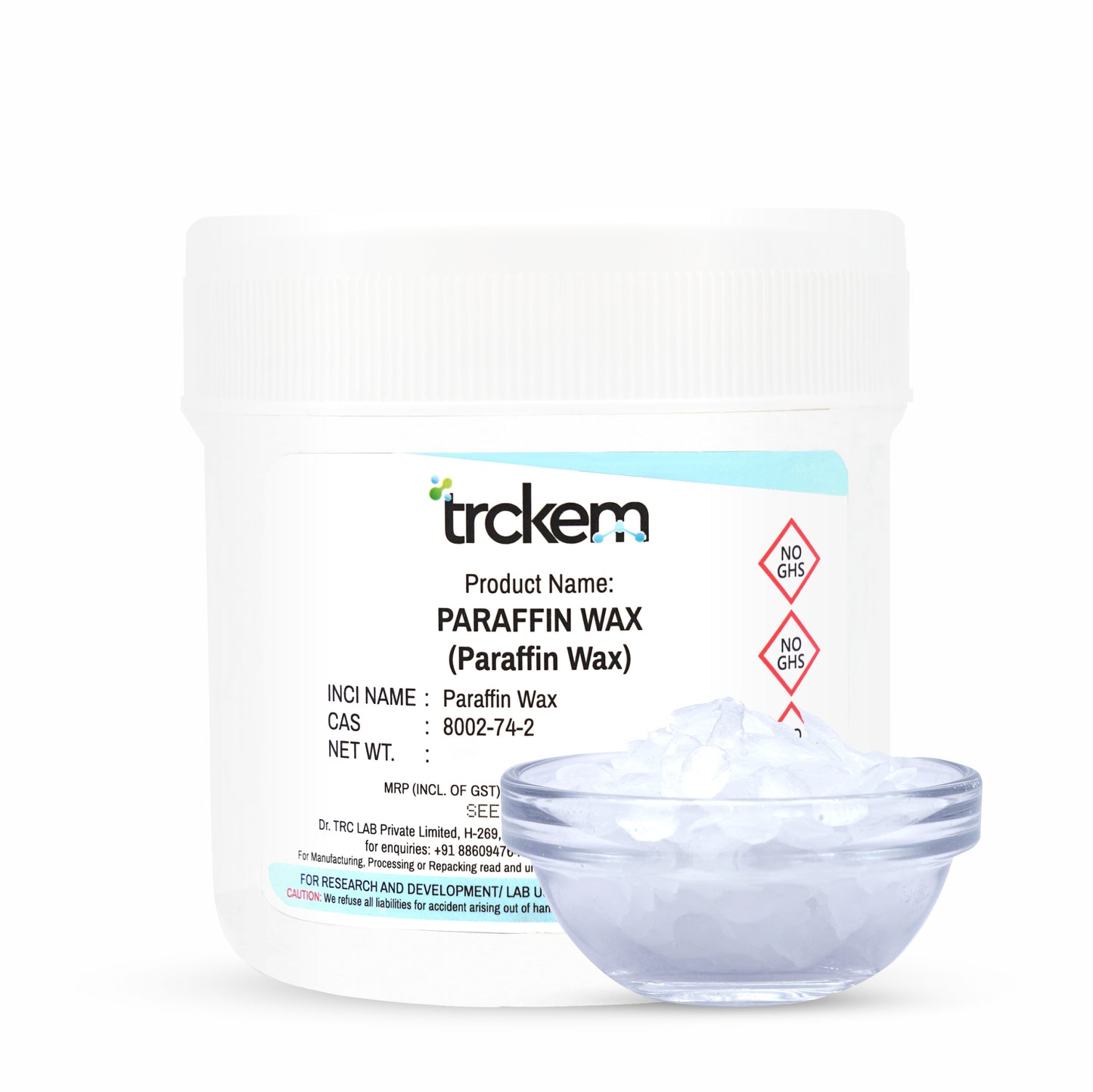
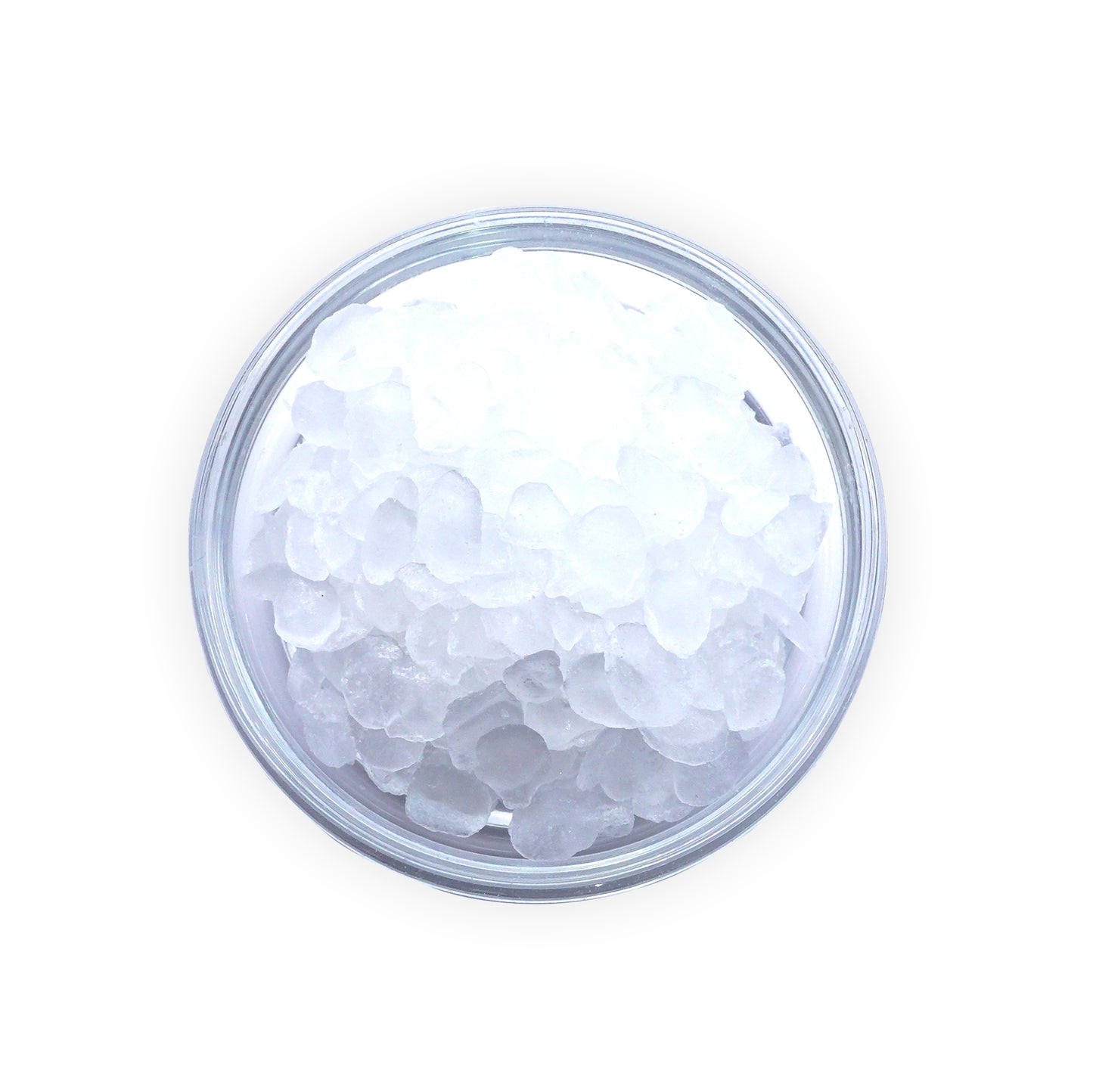
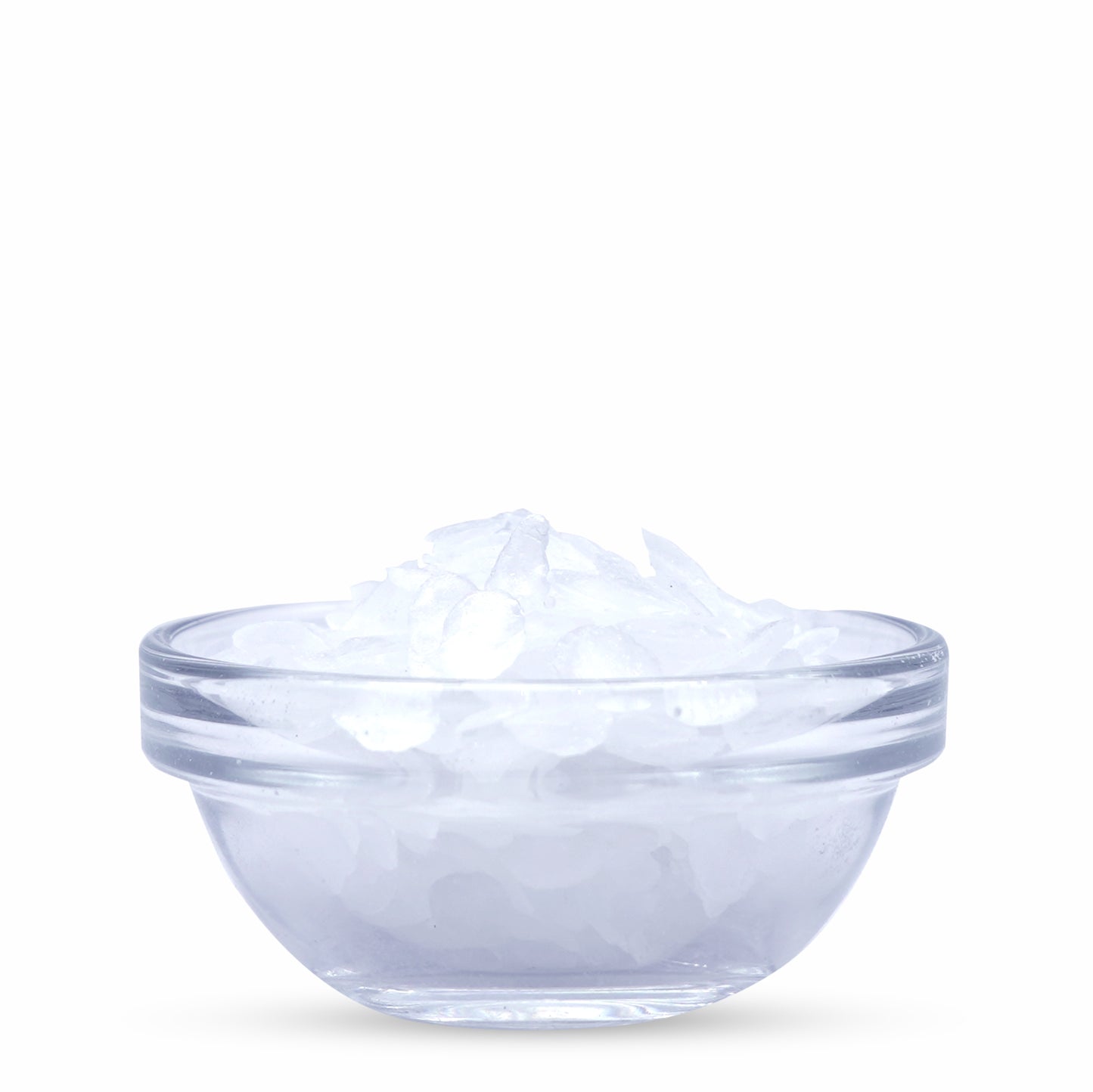
Appearance: Paraffin wax is a white to off-white, odorless, solid substance with a waxy texture. It may be available in different grades and forms such as pellets, blocks, or granules.
Solubility: Paraffin wax is insoluble in water but soluble in organic solvents such as alkanes, chlorinated hydrocarbons, and aromatic compounds when heated.
Preservation : Paraffin wax should be stored in a cool, dry place away from direct sunlight and heat sources to prevent melting and degradation. It should be kept in airtight containers to avoid contamination.
Storage: Store in a closed container at a dry place at room temperature
Raw Material Source : Paraffin wax is derived from crude oil during the refining process. It is obtained through the distillation of petroleum fractions and subsequent purification.
Manufacture: Paraffin wax is manufactured by refining rude oil through a series of processes including distillation, solvent extraction, and crystallization. The wax is then purified to remove impurities and obtain the desired grade.
Animal Testing: Not animal tested
GMO: GMO-free (does not contain plant-derived components)
Vegan: Does not contain animal-derived components
Proposition: PARAFFIN WAX complies with relevant regulations and guidelines
Warning : Avoid contact with eyes. In case of contact, rinse thoroughly with water. Use appropriate protective equipment when handling. Keep out of reach of children.
THE STORY OF PARAFFIN WAX

Paraffin Wax: The Classic Softening Wax for Smooth, Stable Formulations
Paraffin Wax is a highly refined, odorless hydrocarbon wax known for its smooth texture, stability, and excellent barrier-forming properties. Widely used in skincare, haircare, and spa treatments, it brings softness, glide, and structural integrity to a wide range of cosmetic formulations.

Carefully Refined from High-Purity Crude Oil Fractions
Paraffin Wax is obtained through the controlled distillation of petroleum, followed by deoiling, filtration, and hydrogenation to remove impurities. This multi-step refining process ensures a high level of purity, consistent melting point, and exceptional stability—qualities required for cosmetic and pharmaceutical applications.

Smooth Texture, Superior Glide, and Reliable Consistency
Paraffin Wax functions as an emollient, viscosity enhancer, and structure-building agent.
It improves glide and spreadability, forms a protective film that reduces moisture loss, and helps stabilize balms, ointments, and solid formulations. Its ability to melt gently and reform smoothly makes it ideal for spa paraffin dips, salon treatments, and rich moisturizing products.

Versatile, Stable, and Widely Used in Cosmetic Care
Used in creams, lotions, balms, lip care, hair pomades, massage bars, candles, and spa therapies.
Recommended usage: typically 1–20%, depending on texture and structure requirements.
Store in cool, dry conditions, away from direct heat.
Non-toxic, inert, and compliant with cosmetic-grade safety standards, Paraffin Wax ensures dependable performance across both mass-market and premium formulations.
Formulator’s Queries, We Answered
1. What is Paraffin Wax?
Paraffin Wax is a white or colorless soft solid derived from petroleum, coal, or shale oil. It is widely used in the personal care industry for its emollient properties, providing moisture, protection, and smoothness to the skin.
2. What is the CAS Number and INCI Name of Paraffin Wax?
CAS Number: 8002-74-2
INCI Name: Paraffin
3. What are the benefits of Paraffin Wax in personal care products?
Paraffin Wax offers multiple benefits, including:
- Deep Moisturization: Forms a protective barrier to prevent moisture loss.
- Skin Softening: Helps smooth dry, rough, or cracked skin.
- Therapeutic Properties: Used in heat therapy to relieve joint and muscle pain.
- Texture Enhancer: Adds thickness and stability to creams, lotions, and balms.
- Gloss and Shine: Provides a smooth, glossy finish in lip care and cosmetic products.
4. In which personal care products is Paraffin Wax commonly used?
Paraffin Wax is found in:
- Skincare products (hand creams, body lotions, moisturizers)
- Lip care (lip balms, lipsticks)
- Haircare products (styling waxes, conditioners)
- Nail care (manicure and pedicure treatments)
- Therapeutic and spa treatments (paraffin hand and foot masks)
5. Is Paraffin Wax safe for skin application?
Yes, Paraffin Wax is considered safe for skin application. It is non-toxic and widely used in dermatological treatments and cosmetics. However, individuals with highly sensitive skin should perform a patch test before use.
6. Can Paraffin Wax be used in natural and organic formulations?
Paraffin Wax is petroleum-derived, so it is not classified as a natural or organic ingredient. However, it is often refined and purified for use in personal care formulations.
7. What is the recommended concentration of Paraffin Wax in cosmetic formulations?
The recommended concentration varies depending on the formulation but typically ranges from 2% to 25% in personal care products.
8. Does Paraffin Wax clog pores?
Paraffin Wax is generally non-comedogenic, meaning it does not clog pores when used in appropriate concentrations. However, individuals with acne-prone skin should use it cautiously.
9. What is the shelf life of Paraffin Wax?
Paraffin Wax has a long shelf life, typically 5+ years, if stored correctly in a cool, dry place away from direct heat and light.
10. How should Paraffin Wax be stored?
Paraffin Wax should be stored in a sealed container in a dry, cool place to maintain its stability and effectiveness.