


SKU:SOL-TRC-KOALIN-300G
KOALIN
For Bulk Quantity:📞 8822636416
Couldn't load pickup availability
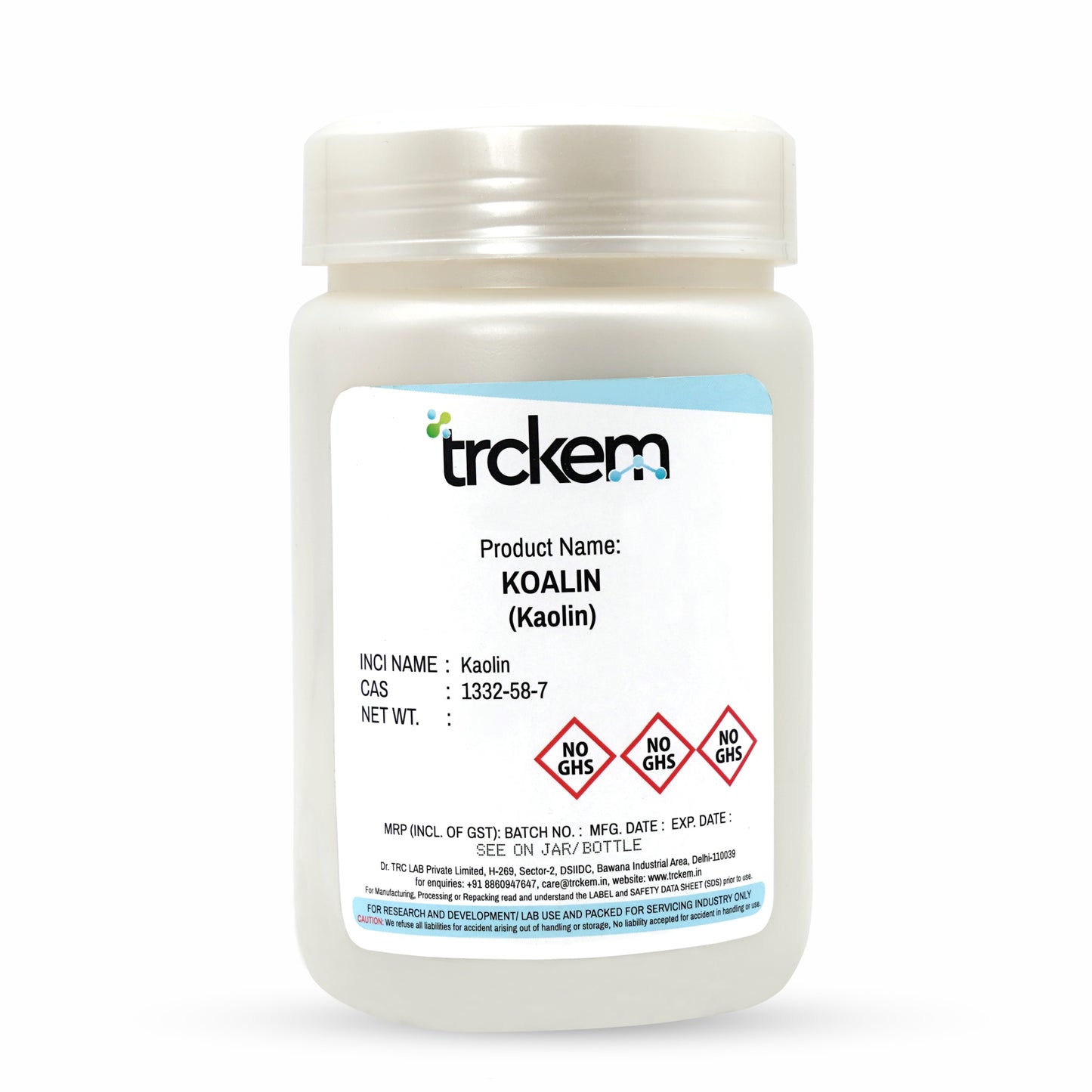
Kaolin is a naturally occurring clay mineral known for its versatile properties. It is widely used in various industries such as ceramics, paper, cosmetics, and pharmaceuticals. Kaolin is valued for its absorbent, abrasive, and bulking capabilities, as well as its gentle exfoliating and purifying effects on the skin.
Product Document: Download Now 👇

General Description
Kaolin, also known as China Clay, is a naturally occurring, soft, and fine mineral primarily composed of kaolinite. It is widely used in various industries, including cosmetics, pharmaceuticals, and personal care, due to its absorbent, soothing, and purifying properties. Kaolin is available for bulk purchase, wholesale sales, and direct manufacture, making it a key ingredient for beauty and skincare formulations.
Uses in the Cosmetics Industry
Kaolin is a versatile ingredient that enhances the effectiveness and texture of many cosmetic products. Its benefits include:
- Oil absorption – Controls excess sebum, making it ideal for oily and acne-prone skin.
- Deep cleansing – Removes impurities, dirt, and toxins from the skin.
- Mild exfoliation – Helps slough off dead skin cells for a smoother complexion.
- Calming properties – Soothes irritated and sensitive skin.
- Used in face masks, foundations, powders, soaps, and dry shampoos.
Leading beauty brands and cosmetic manufacturers prefer wholesale Kaolin for sale due to its natural, non-toxic, and hypoallergenic qualities, making it a popular choice for clean beauty formulations.
Side Effects & Hazards
Kaolin is generally safe for topical application and suitable for all skin types. However:
- Excessive use may cause dryness, particularly for individuals with naturally dry or sensitive skin.
- Inhalation of Kaolin powder during handling, manufacturing, or packaging may lead to respiratory irritation.
- Protective masks and proper ventilation are recommended when working with bulk Kaolin in manufacturing.
Where to Buy Kaolin?
For businesses looking to buy Kaolin in bulk, numerous wholesale suppliers and manufacturers offer high-quality, cosmetic-grade Kaolin for sale. Whether you need it for skincare products, personal care formulations, or large-scale cosmetic production, sourcing from trusted suppliers ensures purity and compliance with industry standards.
CAS Number: 1332-58-7
INCI: Kaolin
Composition: Kaolin is primarily composed of kaolinite, a hydrated aluminum silicate mineral with the chemical formula Al2Si2O5(OH)4. It may also contain small amounts of other minerals such as quartz, feldspar, or mica, depending on its geological source.
Purity Grade: No purity grade applicable
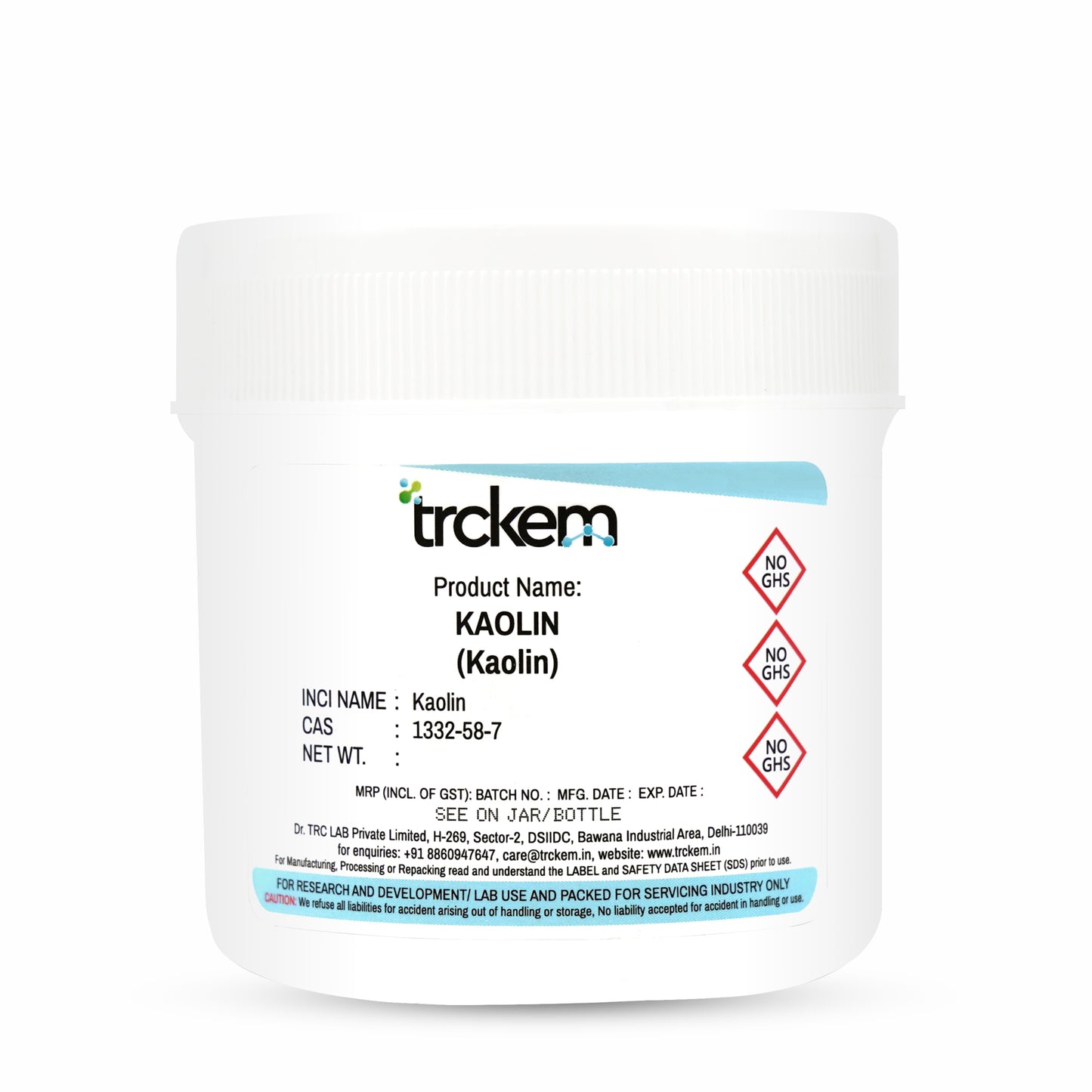
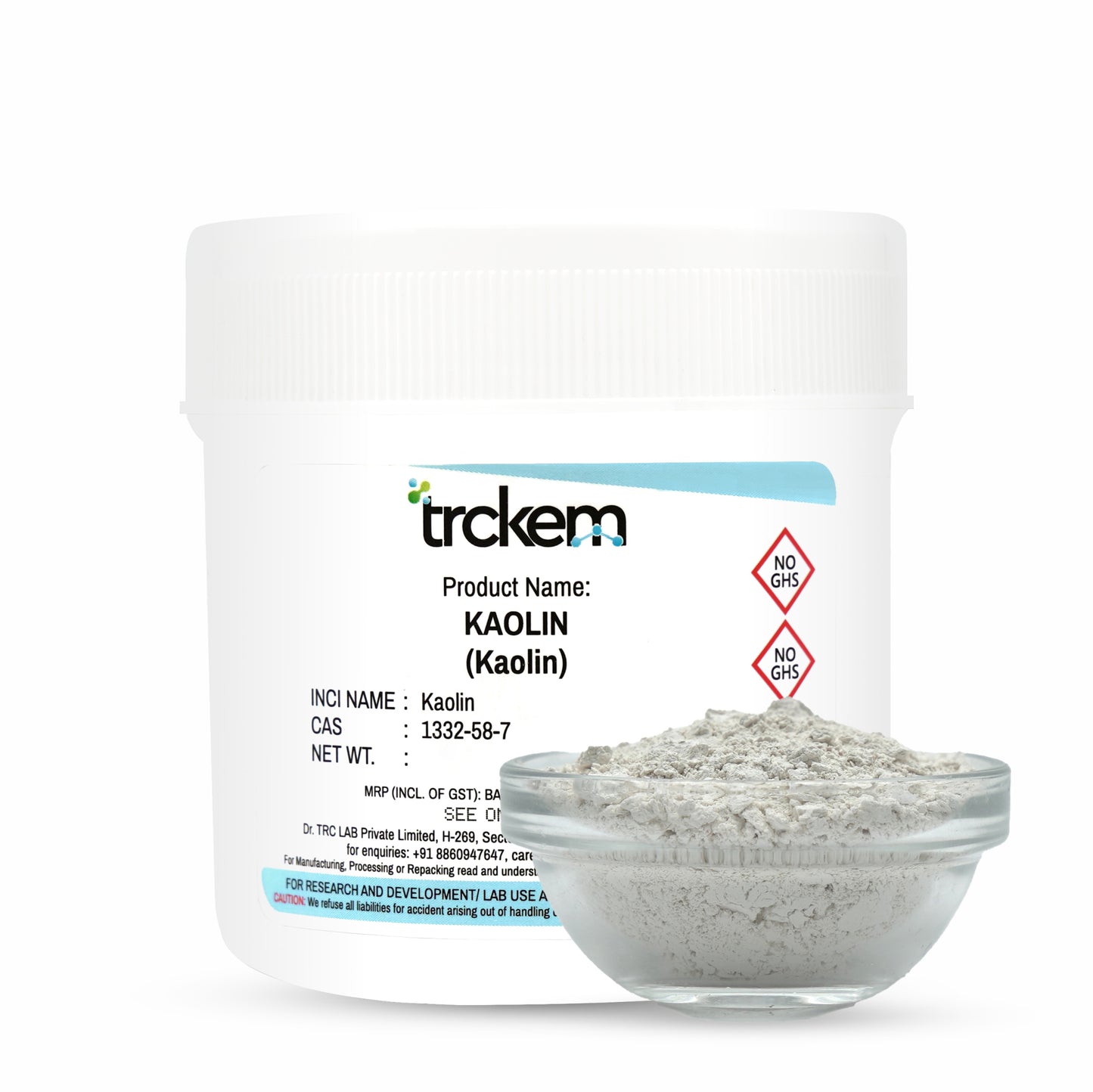
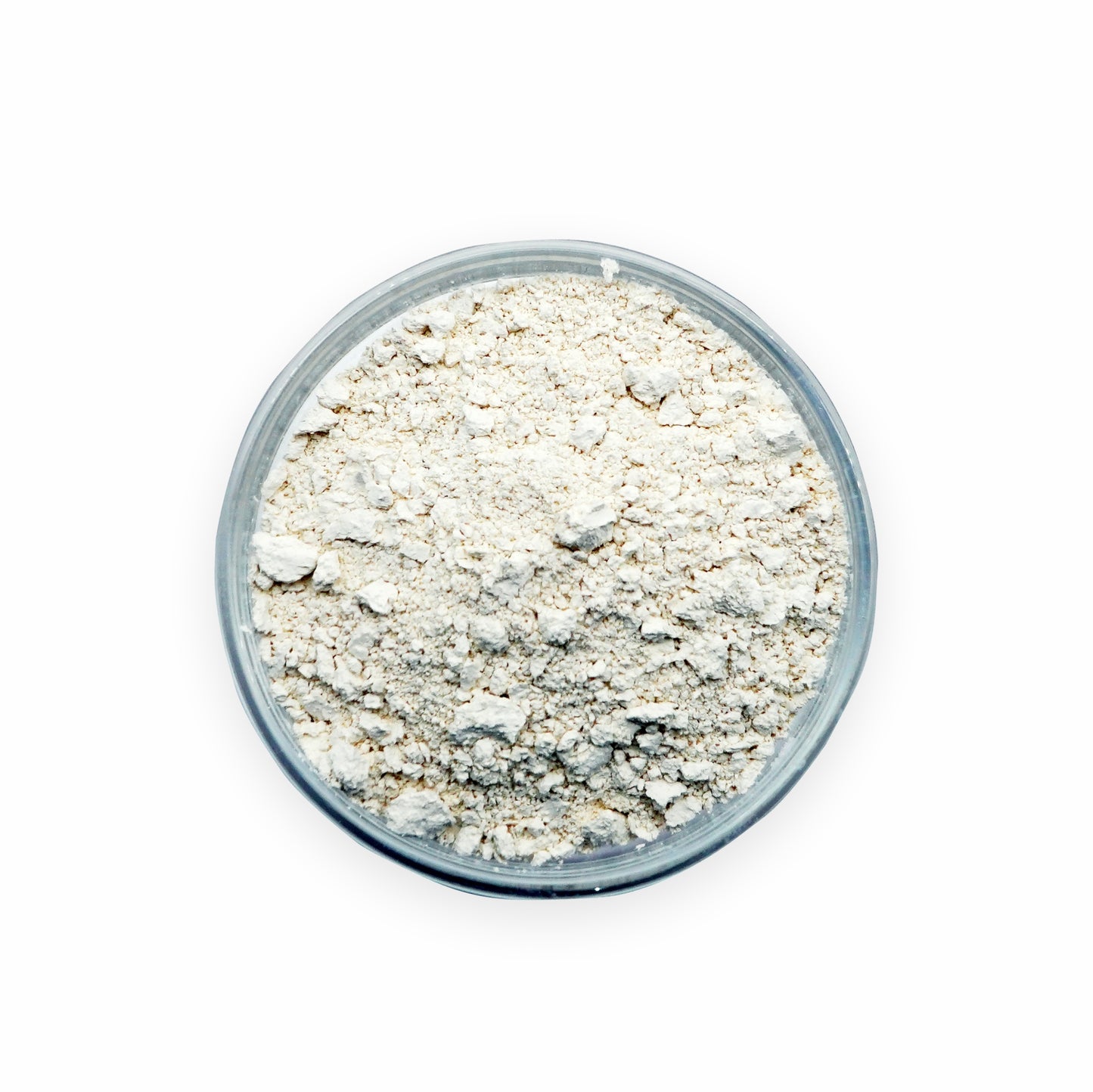
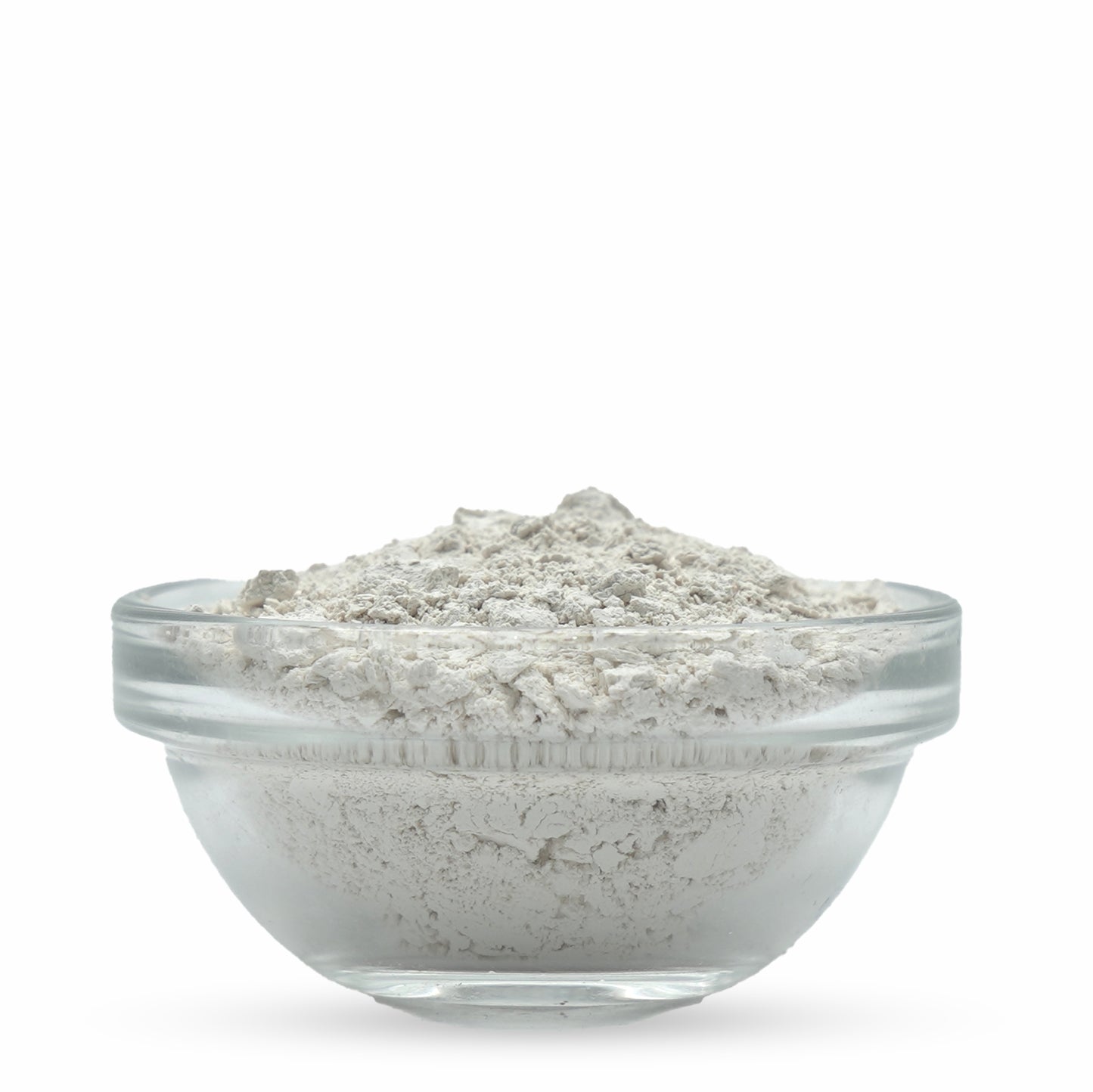
Appearance: Kaolin appears as a fine, soft, and typically white or light gray powder. It may have variations in color and texture depending on its purity and mineral composition.
Solubility: Kaolin is practically insoluble in water and organic solvents. However, it can disperse in water to form suspensions or colloidal solutions.
Preservation: Kaolin does not require special preservation methods. It should be stored in a dry place away from moisture to prevent clumping or caking..
Storage: Store in a closed container at a dry place at room temperature
Raw Material Source: Kaolin is sourced from naturally occurring deposits of kaolinite-rich clay minerals found in various regions worldwide.
Manufacture: Kaolin is typically mined using open-pit mining methods from kaolin deposits. The mined clay is then processed through techniques such as washing, drying, and pulverizing to remove impurities and refine the particle size for different applications.
Animal Testing: Not animal tested
GMO: GMO-free (does not contain plant-derived components)
Vegan: Does not contain animal-derived components
Proposition: KOALIN complies with relevant regulations and guidelines
Warning: Avoid contact with eyes. In case of contact, rinse thoroughly with water. Use appropriate protective equipment when handling. Keep out of reach of children.
THE STORY OF KOALIN

Kaolin: The Classic Cosmetic Clay for Purification & Oil Control
Kaolin is a mild, naturally occurring cosmetic clay widely used for oil absorption, detoxification, and skin purification.
Softer and less drying than many clays, it is ideal for face masks, scrubs, soaps, powders, and detox skincare formulations.
Its gentle nature makes Kaolin suitable for all skin types, including sensitive and delicate skin.

Derived from Natural Kaolinite Deposits & Purified for Cosmetic Use
Kaolin is sourced from kaolinite-rich mineral deposits, then processed through:
• Washing & sedimentation
• Removal of impurities
• Particle-size grading
• Heat treatment & sterilization
The result is a fine, soft, off-white mineral powder with excellent absorbency and high purity.
TRCkem supplies standard cosmetic-grade kaolin suitable for masks, powders, soaps & skincare emulsions.

Detox. Absorb. Restore.
Kaolin offers versatile cosmetic benefits:
✅ Absorbs excess oil without stripping skin
✅ Removes impurities & environmental buildup
✅ Provides mild exfoliation for smoother texture
✅ Reduces shine for a natural matte finish
✅ Enhances body of powders & cleansers
Used in: face packs, scrubs, bar soaps, liquid cleansers, deodorants, loose powders, baby-care formulations & mineral cosmetics.

Gentle, Stable & Ideal for Daily Skincare and Powder Formulations
• Typical use level:
– 5–60% in masks & cleansing products
– 2–15% in powders & dry blends
– 1–10% in soaps & scrubs
• Disperse into water phase or blend into dry mixes
• Non-irritating & suitable for sensitive skin
• Highly stable with long shelf life
• Store in dry conditions to avoid moisture clumping
• Compatible with botanical extracts, surfactants, oils & humectants
Formulator’s Queries, We Answered
1. What is Kaolin?
Kaolin, also known as China Clay, is a naturally occurring white clay composed primarily of the mineral kaolinite. It is widely used in the personal care and cosmetic industry for its gentle cleansing, absorbent, and soothing properties.
2. What is the INCI Name of Kaolin?
The INCI (International Nomenclature of Cosmetic Ingredients) name for this ingredient is Kaolin.
3. What is the CAS Number of Kaolin?
The CAS (Chemical Abstracts Service) number for Kaolin is 1332-58-7.
4. What are the key benefits of using Kaolin in personal care products?
Oil Absorption: Helps to control excess oil, making it ideal for oily and acne-prone skin.
Mild Cleansing: Gently removes impurities and dirt without stripping the skin.
Soothing Properties: Reduces redness and irritation, suitable for sensitive skin.
Exfoliation: Provides mild exfoliation, improving skin texture and radiance.
Natural Thickener: Enhances the consistency of cosmetic formulations.
5. In which personal care products is Kaolin commonly used?
Kaolin is a versatile ingredient found in:
Face Masks – For deep cleansing and detoxifying the skin.
Cleansers & Scrubs – As a gentle exfoliant and impurity remover.
Bath Products – For a soothing and softening effect.
Deodorants – To absorb sweat and neutralize odor.
Foundations & Powders – For oil control and a matte finish.
6. Is Kaolin safe for cosmetic use?
Yes, Kaolin is generally recognized as safe for use in cosmetics and personal care products. It is a natural, non-toxic ingredient that is well-tolerated by most skin types.
7. Is Kaolin suitable for sensitive skin?
Yes, Kaolin is known for its mild nature and is well-suited for sensitive and dry skin. Unlike other clays, it does not overly dry the skin.
8. How does Kaolin differ from other clays used in cosmetics?
Kaolin is the mildest of all cosmetic clays. Unlike Bentonite or Green Clay, which are more absorbent and better suited for oily skin, Kaolin is gentler and can be used on all skin types, including dry and sensitive skin.
9. Where can I purchase Kaolin for personal care formulations?
Kaolin is available from specialty cosmetic ingredient suppliers, chemical distributors, and bulk raw material providers catering to the personal care industry.
10. What is the recommended usage level of Kaolin in formulations?
The typical usage level of Kaolin in cosmetic formulations ranges from 1% to 60%, depending on the product type and desired effects.