


SKU:LIQ-TRC-CAPB-500G
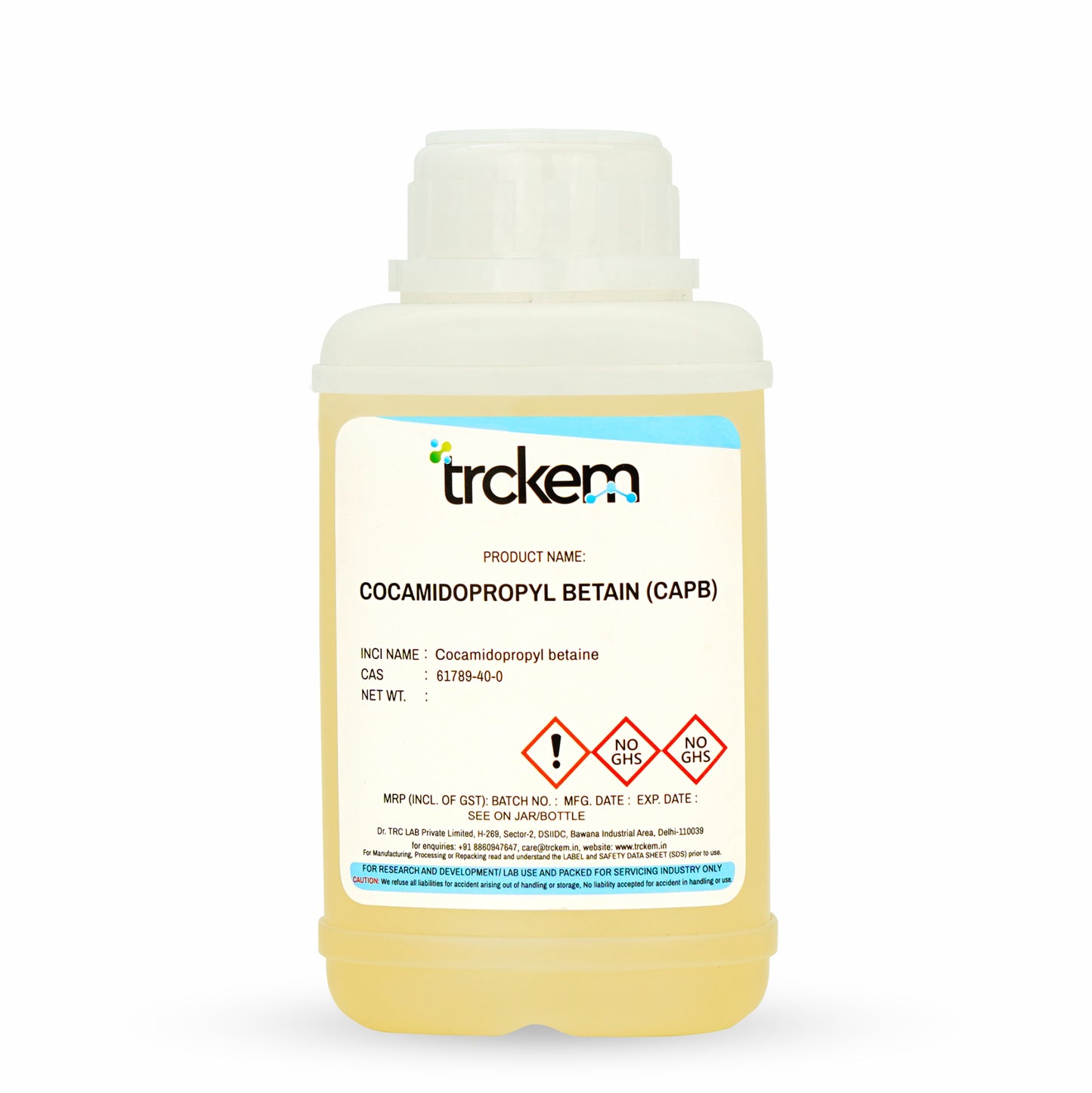
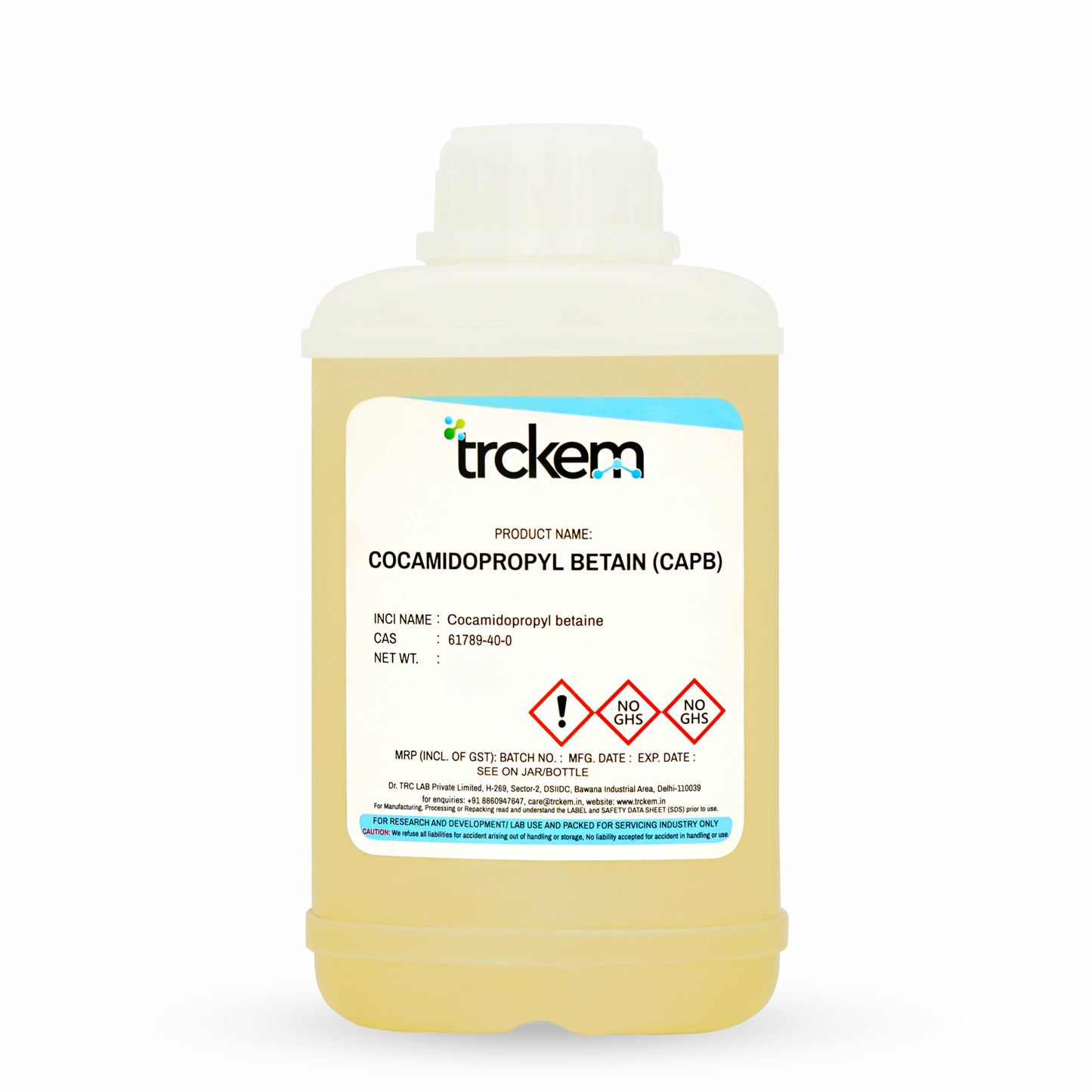
COCAMIDOPROPYL BETAINE(CAPB)
For Bulk Quantity:📞 8822636416
Couldn't load pickup availability
Cocamidopropyl Betaine (CAPB) is a mild amphoteric surfactant derived from coconut oil. It is one of the most widely used conditioning surfactants globally, valued for its exceptional mildness, foam-boosting properties, and compatibility with other surfactants.
Key Benefits: Mild on skin and eyes, boosts foam density and creaminess, anti-static conditioning effect, reduces irritation from anionic surfactants, helps thicken formulations.
Typical Use Level: 3–10% in finished formulations.
Applications: Shampoo, baby products, facial cleanser, body wash, hand wash.
💰 Bulk Discounts Available: Use code BULK5 for 5% off on orders ₹5,000+, BULK10 for 10% off on ₹10,000+, or BULK15 for 15% off on ₹25,000+.
Product Document: Download Now 👇
-
 COCAMIDOPROPYL BETAINE(CAPB)_SDS`
-
COCAMIDOPROPYL BETAINE(CAPB)_COA
-
COCAMIDOPROPYL BETAINE(CAPB)_FACTSHEET

General Description
Cocamidopropyl Betaine (CAPB) is a versatile, mild surfactant derived from coconut oil. It is widely used in the cosmetic and personal care industry for its excellent foaming, thickening, and conditioning properties. CAPB is an amphoteric surfactant, meaning it can work in both acidic and alkaline environments, making it ideal for a variety of formulations. Its ability to enhance product performance while maintaining gentleness on the skin makes it a preferred ingredient in shampoos, body washes, and facial cleansers.
Uses in the Cosmetics Industry
Cocamidopropyl Betaine is commonly used in haircare, skincare, and bath products as a secondary surfactant to improve foam stability and reduce the harshness of stronger cleansers. It enhances the texture and mildness of formulations, making them suitable for sensitive skin and daily use. Many manufacturers buy CAPB in bulk to formulate sulfate-free or mild cleansing products. Wholesale suppliers offer high-quality CAPB for large-scale and small-scale production needs, ensuring consistency in product development.
Side Effects & Hazards
Although CAPB is considered a mild surfactant, it may cause skin irritation or allergic reactions in some individuals, particularly if not properly purified. Some formulations containing CAPB may also trigger contact dermatitis in sensitive users. Manufacturers must ensure they source high-purity CAPB and use it within recommended concentrations to minimize potential side effects. During bulk handling, proper safety measures should be taken to prevent accidental inhalation or contact with eyes.
Buy & Wholesale Sales of Cocamidopropyl Betaine (CAPB)
If you are looking to buy CAPB for manufacturing personal care products, sourcing from trusted wholesale suppliers ensures the best quality for your formulations. We provide bulk sales of Cocamidopropyl Betaine for businesses producing shampoos, face washes, baby products, and sulfate-free cleansers. Contact us today for competitive pricing and reliable wholesale supply options tailored to your manufacturing needs.
CAS Number: 61789-40-0
INCI: Cocamidopropyl Betaine
Composition: CAPB is composed of a mixture of amphoteric surfactants derived from coconut oil, typically featuring cocamidopropyl betaine as the major component.
Purity Grade: No purity grade applicable
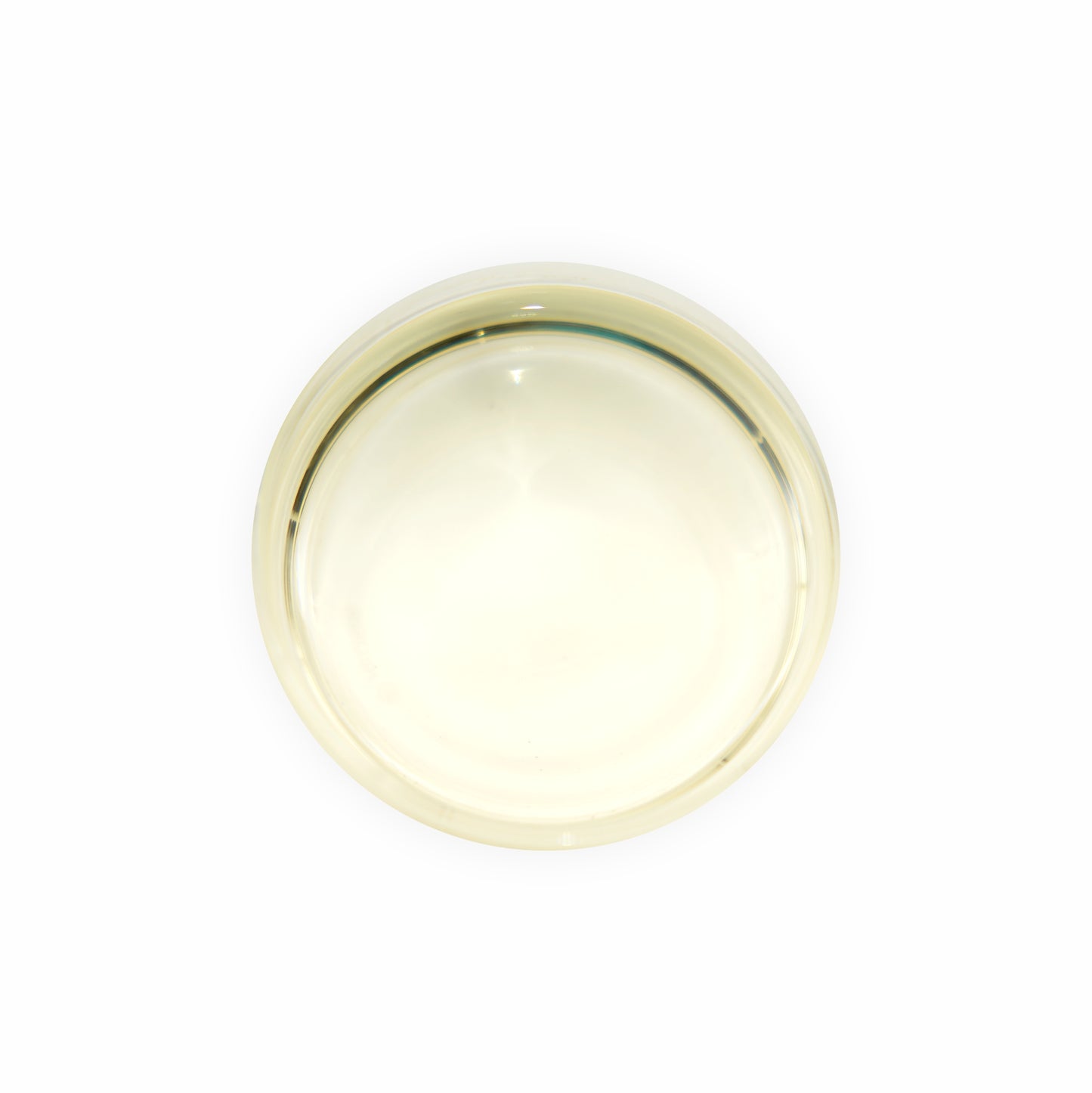
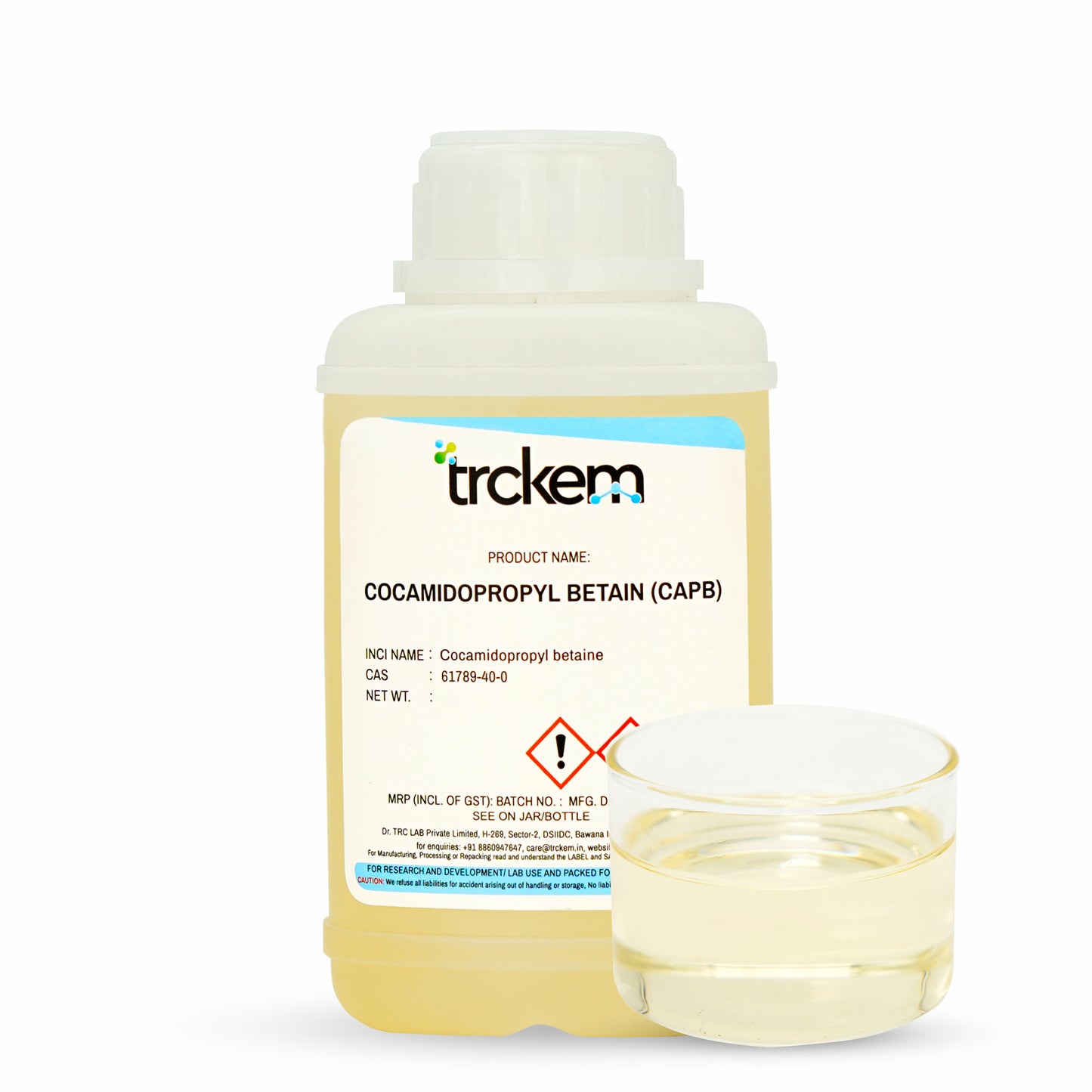
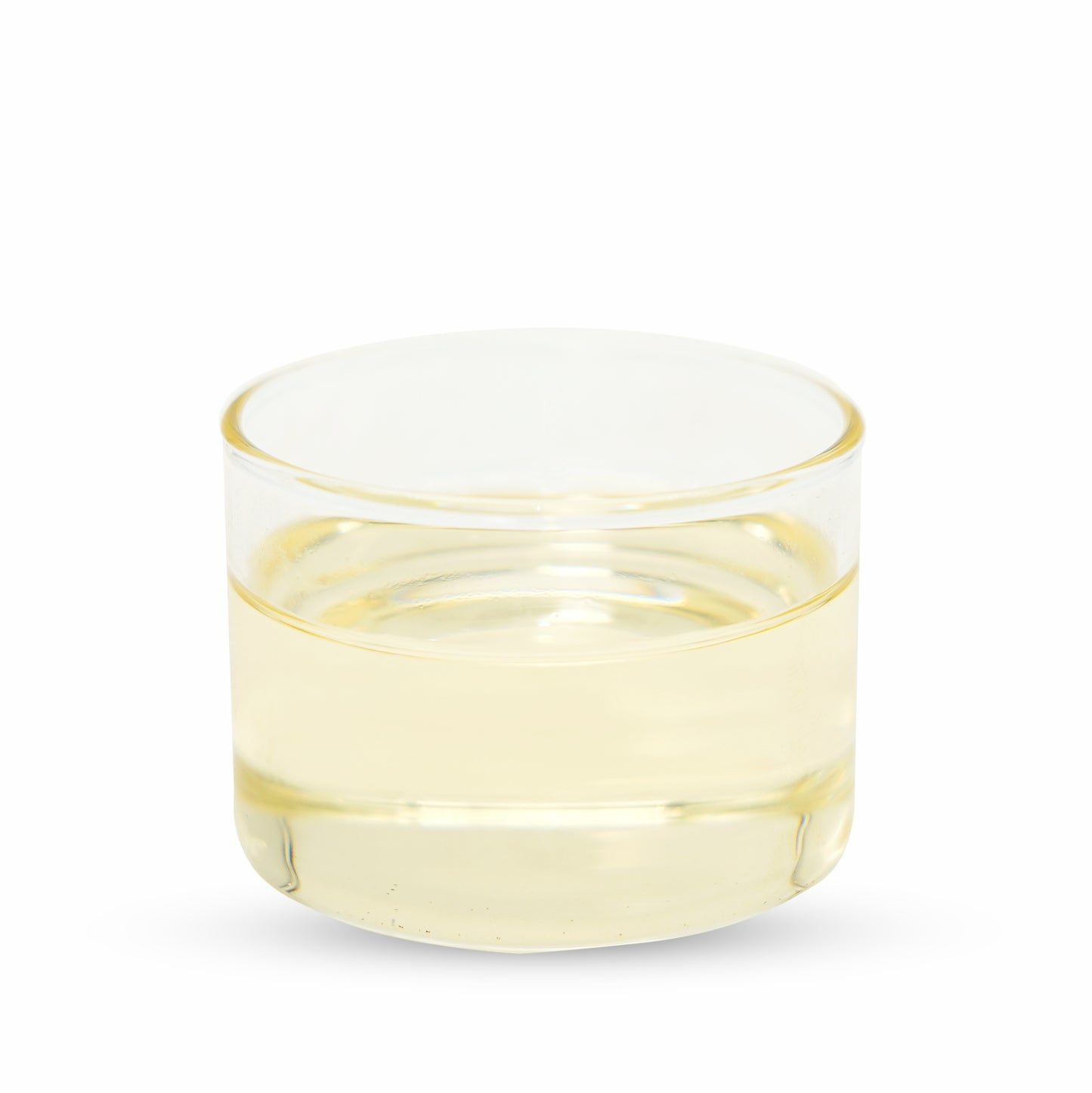
Appearance: Clear to slightly hazy liquid.
Solubility: Soluble in water.
Preservation: CAPB formulations may include mild preservatives to maintain product stability.
Storage: Store in a closed container at a dry place at room temperature
Raw Material Source: Derived from coconut oil, a natural and renewable resource.
Manufacture: CAPB is produced through chemical processes involving the reaction of coconut oil derivatives with certain chemicals.
Animal Testing: Not animal tested
GMO: GMO-free (does not contain plant-derived components)
Vegan: Does not contain animal-derived components
HS Code: 34021900
Proposition: COCAMIDOROPYL BEATAIN complies with relevant regulations and guidelines
Warning: Avoid contact with eyes and skin. Use appropriate protective equipment when handling.
THE STORY OF COCAMIDPROPYL BETAINE (CAPB)

CAPB: The Gentle Foaming Surfactant for Mild Cleansing Formulas
Cocamidopropyl Betaine (CAPB) is a mild amphoteric surfactant derived from coconut oil. It’s a key ingredient in gentle cleansers, baby shampoos, face washes, and body washes due to its excellent foaming, cleansing, and skin-conditioning properties. CAPB reduces irritation when blended with primary surfactants, making it ideal for sensitive-skin and sulfate-free formulations.

Coconut-Derived Surfactant Made via Controlled Amidation & Quaternization
CAPB is produced by reacting dimethylaminopropylamine (DMAPA) with coconut fatty acids, followed by quaternization with monochloroacetic acid. This process yields a biodegradable, amphoteric surfactant that functions as both a foam booster and viscosity enhancer. TRCkem provides high-purity, low-amide content cosmetic grades suitable for mild skin and hair formulations.

Clean. Condition. Protect.
Core benefits in personal-care products:
✅ Creates soft, stable foam and rich lather
✅ Reduces irritation caused by harsher surfactants (like SLS/SLES).
✅ Adds conditioning & slip to skin and hair
✅ Improves viscosity and rinse-off performance.
✅ Compatible with anionic, cationic, and nonionic systems.
Commonly used in: face washes, baby shampoos, shower gels, shaving foams, micellar cleansers, and sulfate-free haircare.

Dermatologically Tested & Globally Approved Mild Surfactant
• Typical use level: 3–15% active content depending on product type
• Works synergistically with SLES, SLS, and glucosides for balanced cleansing
• Stable in pH 4–8, suitable for clear formulations
• Biodegradable, mild, and ECOCERT / COSMOS approved (when naturally derived)
• Non-toxic and well-tolerated on skin, hair, and mucous membranes
• Store sealed, dry, and cool; avoid prolonged exposure to light and air to prevent discoloration
Formulator’s Queries, We Answered
1. What is Cocamidopropyl Betaine (CAPB)?
Cocamidopropyl Betaine (CAPB) is a mild, amphoteric surfactant derived from coconut oil. It is widely used in personal care products for its foaming, cleansing, and conditioning properties.
2. What is the CAS number and INCI name of CAPB?
CAS Number: 61789-40-0
INCI Name: Cocamidopropyl Betaine
3. What are the benefits of CAPB in personal care products?
✔ Gentle Surfactant – Provides mild yet effective cleansing.
✔ Foaming Agent – Boosts foam and enhances lather.
✔ Conditioning Properties – Leaves skin and hair feeling soft.
✔ Compatible with Other Surfactants – Improves formulation stability.
✔ Reduces Irritation – Helps make formulations milder, even in sulfate-free products.
4. What types of personal care products contain CAPB?
Shampoos & Conditioners – Enhances foam and provides a conditioning effect.
Facial Cleansers & Body Washes – Offers mild cleansing without drying the skin.
Liquid Hand Soaps & Dishwashing Liquids – Improves foam and viscosity.
Baby Products – Commonly used due to its mild nature.
Makeup Removers – Helps dissolve makeup and cleanse the skin gently.
5. How is CAPB used in formulations?
Typically used at 5-15% concentration in personal care formulations.
Works well with anionic and nonionic surfactants to enhance foam and cleansing performance.
Helps reduce irritation caused by harsher surfactants like SLS (Sodium Lauryl Sulfate).
6. Is Cocamidopropyl Betaine safe for cosmetic use?
Yes, CAPB is generally considered safe and is widely used in sensitive-skin-friendly and baby care products. However, some individuals with coconut-derived ingredient sensitivities may experience mild irritation.
7. Where can I buy Cocamidopropyl Betaine (CAPB) for personal care formulations?
CAPB is available from cosmetic ingredient suppliers, chemical distributors, and online marketplaces.
You Might Also Need
-
 20% off
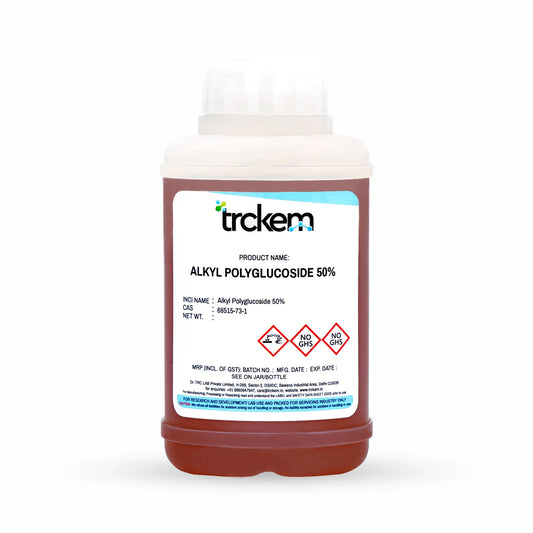
ALKYL POLYGLUCOSIDE 50%
Regular price Rs. 608.00Sale price Rs. 608.00 Regular price Rs. 760.00Unit price per -
 18% off
 -
 16% off
Disodium Cocoamphodiacetate
Regular price Rs. 560.00Sale price Rs. 560.00 Regular price Rs. 672.00Unit price per
