


SKU:SOL-TRC-ALLTOIN-300G
ALLANTOIN
For Bulk Quantity:📞 8822636416
Couldn't load pickup availability
Allantoin is a chemical compound that is naturally found in the human body and in botanical extracts, such as comfrey. It is widely used in cosmetics and pharmaceuticals for its moisturizing, soothing, and skin-conditioning properties.
Product Document: Download Now 👇

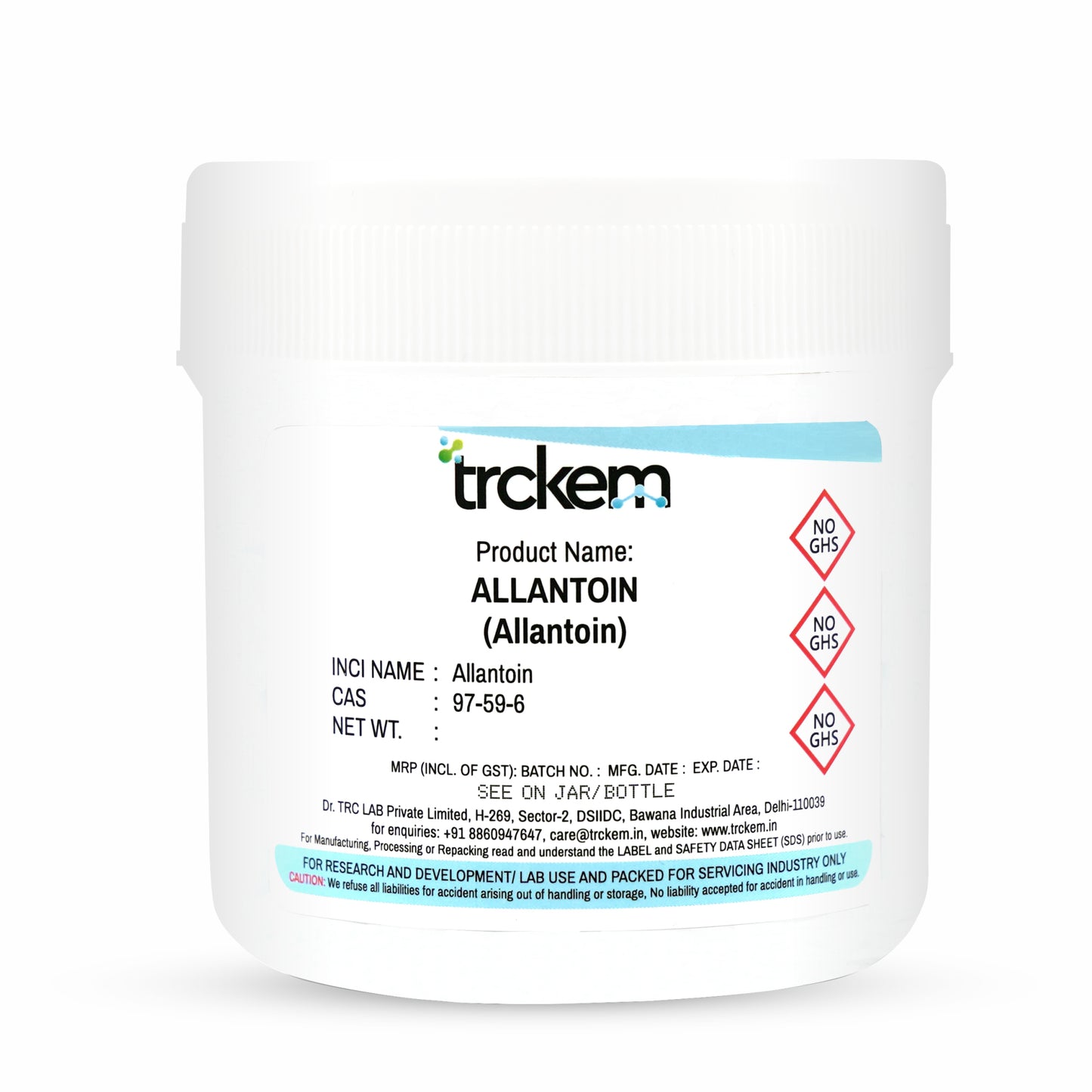
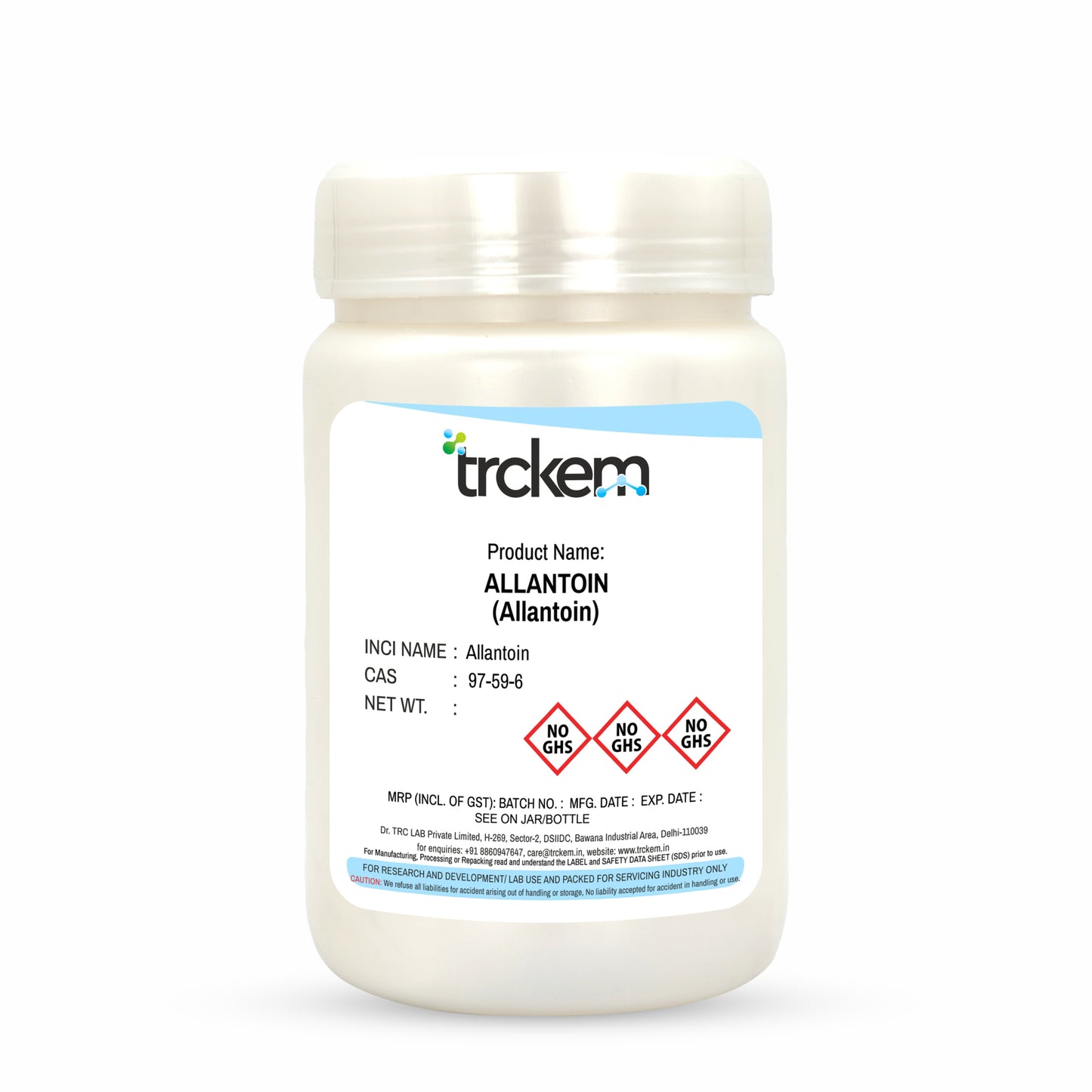
General Description
Allantoin (CAS No. 97-59-6) is a widely used skin-conditioning agent known for its moisturizing, soothing, and healing properties. It is naturally found in plants like comfrey but is primarily manufactured synthetically for cosmetic and pharmaceutical applications. Allantoin is a non-irritating, effective ingredient that enhances skin softness and promotes cell regeneration, making it a popular choice for skincare formulations.
Uses in the Cosmetics Industry
Many manufacturers and brands buy Allantoin for use in:
✔ Skincare Products – Added to lotions, creams, and serums to hydrate and repair skin.
✔ Anti-Aging Formulations – Helps reduce fine lines, wrinkles, and dryness.
✔ Acne & Blemish Treatments – Soothes inflammation and supports skin renewal.
✔ Hair Care – Used in shampoos and conditioners to promote scalp health.
✔ Lip Balms & Body Care – Prevents chapped lips and rough skin.
✔ Baby Care Products – Gentle enough for sensitive skin formulations.
Side Effects & Hazards
Allantoin is safe and non-toxic, but in rare cases, some individuals may experience mild irritation or allergic reactions. It is non-carcinogenic and widely accepted in cosmetic manufacture worldwide.
Buy Allantoin in Bulk – Wholesale & Direct Sales
Looking for trusted Allantoin suppliers? We provide high-quality Allantoin for wholesale, bulk sales, and direct purchase at competitive prices. Contact us today to buy Allantoin in bulk for your cosmetic and skincare formulations!
CAS Number: 97-59-6
INCI: Allantoin
Composition: Chemically, allantoin is a diureide of glyoxylic acid. Its molecular formula is C4H6N4O3.
Purity Grade: No purity grade applicable
Appearance: Allantoin is typically found as a fine, white, crystalline powder.
Solubility: It is soluble in hot water and glycerin, sparingly soluble in alcohol, and practically insoluble in ether and chloroform.
Preservation: Allantoin itself possesses some preservative properties, but additional preservatives may be required depending on the formulation and intended use of the product.
Storage: Store in a closed container at a dry place at room temperature.
Raw Material Source: Allantoin can be sourced from natural botanical extracts, particularly from the roots of the comfrey plant (Symphytum officinale), or synthesized chemically from precursor compounds such as urea and glyoxylic acid or its derivatives.
Manufacture: Allantoin can be manufactured through chemical synthesis or extracted from natural sources. In chemical synthesis, urea reacts with glyoxylic acid or its derivatives to produce allantoin. Alternatively, allantoin can be extracted from comfrey roots through a process of crushing or grinding the roots to release the allantoin-containing extract, which is then further processed to isolate and purify the allantoin compound.
Animal Testing: Not animal tested
GMO: GMO-free (does not contain plant-derived components)
Vegan: Does not contain animal-derived components
Proposition: ALLANTOIN complies with relevant regulations and guidelines
Warning: Avoid contact with eyes and skin. Use appropriate protective equipment when handling.
THE STORY OF ALLANTION

Allantoin: The Skin Soother in Every Drop
Allantoin is a gentle yet powerful skin-conditioning ingredient that promotes healing and comfort. Celebrated for its ability to soothe irritation, reduce redness, and encourage skin renewal, Allantoin is found in a wide range of personal care products — from face creams and lotions to aftershaves and baby care. It’s the quiet hero that helps skin look and feel healthier every day.

Derived from Nature, Perfected by Science
Traditionally obtained from the comfrey plant, Allantoin can now also be produced synthetically to achieve high purity and consistency. TRCkem’s cosmetic-grade Allantoin is refined through precise crystallization processes that preserve its bioactive soothing properties, ensuring stability, safety, and performance in every formulation.

Soften. Heal. Protect.
Allantoin enhances the skin’s natural healing capacity by promoting cell regeneration and reducing inflammation. It softens keratin, helping to smooth rough, dry, or flaky skin. Its calming effect makes it ideal for sensitive-skin formulations, after-sun care, and post-shave products. Combined with moisturizers, it helps maintain a soft, supple, and rejuvenated appearance

Trusted, Safe, and Globally Approved
Allantoin is compatible with most cosmetic systems and stable within a wide pH range (4–8). Recommended usage: 0.1–2%. Store in a cool, dry place away from moisture. Non-toxic, non-irritating, and fully compliant with global cosmetic standards (EU, FDA, REACH, and COSMOS). TRCkem’s Allantoin ensures your formulations deliver both safety and skin wellness.
Formulator’s Queries, We Answered
1. What is the CAS number and INCI name of allantoin?
The Chemical Abstracts Service (CAS) number for allantoin is 97-59-6, and its International Nomenclature of Cosmetic Ingredients (INCI) name is Allantoin.
2. What is allantoin?
Allantoin is a naturally occurring compound found in various plants, such as comfrey, and is also produced synthetically for use in personal care products. It is recognized for its ability to moisturize and smooth the skin.
3. What are the benefits of using allantoin in personal care products?
Allantoin offers several skin benefits, including:
Moisturization: Acts as a humectant, drawing moisture into the skin to keep it hydrated.
Exfoliation: Promotes the shedding of dead skin cells, leading to a smoother skin texture.
Soothing: Reduces skin irritation and sensitivity, making it suitable for sensitive skin types.
Healing: Enhances the skin's natural repair processes, aiding in the healing of minor wounds and irritations.
These properties make allantoin a valuable ingredient in various skincare formulations.
4. In which personal care products is allantoin commonly found?
Allantoin is incorporated into a wide range of personal care products, including:
Moisturizers and lotions: To enhance skin hydration.
Cleansers: To provide gentle exfoliation and soothing effects.
Acne treatments: To promote healing and reduce irritation.
Sun care products: To soothe sun-exposed skin.
Lip balms: To moisturize and repair chapped lips.
Shampoos and conditioners: To maintain scalp health and add moisture to hair.
Its versatility and efficacy contribute to its widespread use in the personal care industry.
5. Is allantoin safe for all skin types?
Yes, allantoin is generally considered safe and non-irritating, making it suitable for all skin types, including sensitive skin. However, as with any skincare ingredient, it's advisable to perform a patch test before widespread use to ensure individual tolerance.
6. How is allantoin sourced for use in personal care products?
While allantoin can be extracted from natural sources like the comfrey plant, the allantoin used in personal care products is typically synthesized to ensure purity and consistency. This synthetic allantoin is chemically identical to its natural counterpart and is safe for cosmetic use.